The world of industrial machinery is evolving rapidly. One key component making significant strides is the Rotary Reducer. This device plays an essential role in various applications, from automotive to manufacturing. Global buyers are increasingly interested in the latest trends to stay competitive.
In 2026, some notable trends in Rotary Reducers are expected to emerge. These trends will shape product design, efficiency, and sustainability. Manufacturers aim to reduce energy consumption while enhancing performance. Buyers must pay attention to these developments to ensure they invest wisely.
Understanding the market dynamics is crucial for informed decision-making. Evaluating the quality and reliability of Rotary Reducers can be challenging. Buyers must consider not just price, but also the long-term benefits of advanced technologies. Embracing these trends can lead to better productivity and operational efficiency. Keep an eye on the innovations that redefine the Rotary Reducer landscape.
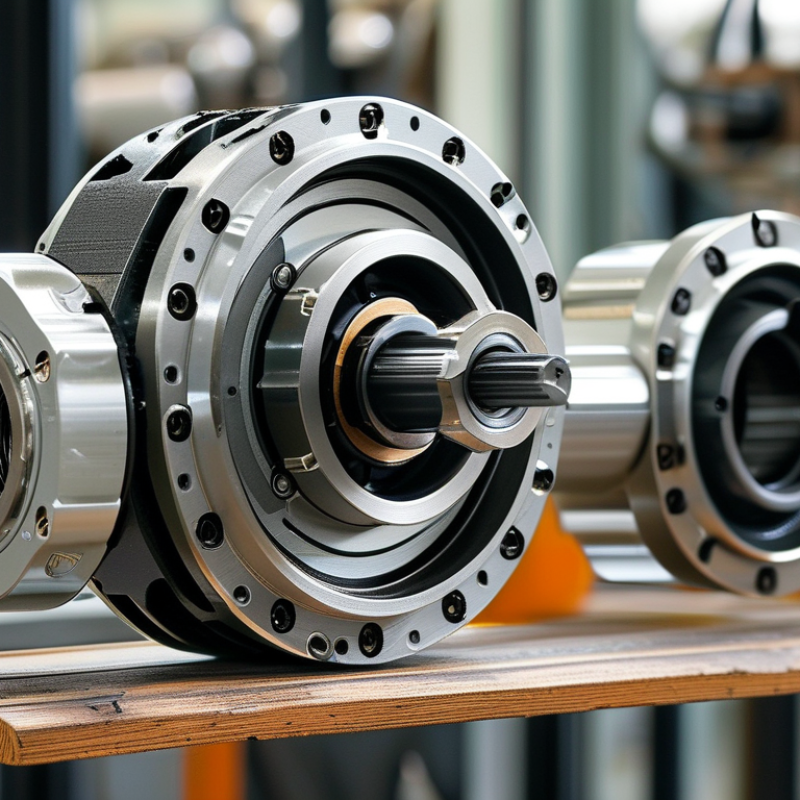
Overview of Rotary Reducers and Their Applications in Industry
Rotary reducers play an essential role in various industrial applications. They are designed to reduce rotational speed while increasing torque. This capability allows machinery to operate more efficiently and effectively. Industries such as manufacturing, robotics, and aerospace utilize rotary reducers extensively. Their ability to convert high-speed input into low-speed output is critical in these settings.
In manufacturing, rotary reducers enable precise control over machinery movements. They enhance the performance of conveyor systems, ensuring smooth material handling. In robotics, these components help achieve accurate positioning and speed regulation. However, not all rotary reducers are reliable. Variability in quality and design can lead to performance issues. Buyers must focus on finding products that meet their specific needs while ensuring they have a solid understanding of their operating environment.
The future of rotary reducers is promising. Innovations in design and materials are emerging. Yet, the challenge lies in adapting these advancements to suit industry demands effectively. Continuous evaluation of performance metrics will be necessary. This will help manufacturers refine their offerings and address any shortcomings.
Key Trends Influencing the Global Rotary Reducer Market in 2026
As we look towards 2026, the global rotary reducer market is poised for transformation. Key trends influencing this sector include advancements in automation and smart technology integration. Increased demand for precision motion control drives these innovations. Manufacturers are focusing on creating more compact and efficient designs to improve overall performance.
Sustainability is another significant trend. Many industries are seeking eco-friendly alternatives. This shift requires rotary reducer producers to rethink their materials and processes. The incorporation of recyclable components can enhance product appeal and reduce environmental impact. However, the challenge remains to balance quality and sustainability without compromising efficiency.
Market dynamics are also shifting due to evolving consumer expectations. Buyers are increasingly prioritizing custom solutions that meet specific operational needs. This trend puts pressure on manufacturers to adapt quickly. Maintaining agility in production and supply chain management is critical. The complexity of these demands might lead to compromises in cost-efficiency, posing a dilemma for many companies.
Being mindful of these influences will be crucial for stakeholders in the rotary reducer market as they navigate the changes in 2026.
Innovations in Rotary Reducer Technologies and Materials
Rotary reducers are evolving rapidly due to new technologies and materials. Manufacturers now focus on lightweight designs that enhance efficiency. These innovations lead to motors that are more compact without sacrificing performance. The introduction of advanced composite materials contributes to these developments. Such materials provide better durability and thermal resistance compared to traditional options. This is particularly important for applications that demand high precision under extreme conditions.
Moreover, new machining techniques are emerging. These techniques enable tighter tolerances and improved component integration. As a result, rotary reducers can handle greater loads with reduced backlash. However, these advancements also come with challenges. Manufacturers must balance cost and performance while ensuring reliability. The learning curve can be steep, and quality control processes need constant refinement.
Lastly, automation plays a significant role in the production and application of rotary reducers. The integration of IoT and smart sensors allows for real-time monitoring. This improves maintenance and helps predict failures before they occur. But, implementing these technologies can be complex and may require additional training for engineers. The potential for innovation continues to grow, pushing the boundaries of what is possible in rotary reducer design and functionality.
Sustainability Practices in Rotary Reducer Manufacturing
Sustainability in rotary reducer manufacturing is gaining attention. As industries focus on reducing their carbon footprints, manufacturers are adjusting practices. A report by Smith & Associates indicates that nearly 70% of companies prioritize sustainable sourcing in their supply chains.
Recycling materials plays a crucial role in this trend. Using recycled metals can lead to energy savings of up to 50%. This significantly lowers emissions compared to new material production. However, challenges remain in quality control and supply consistency. Manufacturers often face difficulties in ensuring that recycled materials meet strict performance standards.
Energy-efficient production methods are essential. Techniques such as advanced machining and precision engineering reduce waste and energy consumption. Reports suggest that implementing these practices can cut manufacturing costs by approximately 15%. Despite progress, many companies struggle with the initial investment needed for these advanced technologies. This reflects a growing need for continuous improvement in sustainable practices and innovation within the rotary reducer sector.
Market Opportunities for Buyers in the Global Rotary Reducer Landscape
The global rotary reducer market is evolving quickly. Buyers now face numerous opportunities in this landscape. With advancements in technology and manufacturing techniques, the demand for efficient rotary reducers is on the rise. Companies are looking for solutions that enhance performance while keeping costs manageable. This increase in demand opens new doors for buyers searching for innovative products.
In 2026, it is essential for buyers to stay informed about the latest trends. Energy efficiency is becoming a critical factor. Reducers that offer lower power consumption while achieving higher torque are particularly appealing. Additionally, the integration of smart technology helps manufacturers monitor system performance in real-time. However, as technology advances, some products may not yet meet reliability standards. Hence, buyers must conduct thorough research before making decisions.
Another point to consider is the shift toward sustainable manufacturing practices. Eco-friendly materials and processes are gaining traction in the industry. Buyers should be aware of these practices to align with consumer preferences. Nevertheless, the transition may pose challenges for some traditional manufacturers. It is crucial to evaluate not just the products, but also the values behind them. Ultimately, understanding the market landscape allows buyers to make informed choices.
FAQS
: Key trends include automation advancements and a focus on precision motion control.
Manufacturers are shifting to eco-friendly materials and processes to reduce carbon footprints.
Using recycled metals can save energy and lower emissions up to 50%.
Quality control and supply consistency with recycled materials often pose difficulties.
Advanced machining techniques can cut manufacturing costs by about 15%.
Buyers can find innovative, cost-effective products that enhance performance.
Efficient reducers lower power consumption while providing higher torque, appealing to many companies.
Smart technology allows real-time monitoring of system performance for improved efficiency.
Transitioning to sustainable manufacturing can be difficult for some established companies.
They should evaluate both products and the manufacturers' values to make informed choices.
Conclusion
The article "2026 Top Rotary Reducer Trends for Global Buyers" provides a comprehensive overview of rotary reducers and their diverse applications across various industries. It highlights key trends that are shaping the global rotary reducer market, focusing on technological advancements and innovative materials that enhance performance and efficiency. Additionally, the article examines sustainability practices in rotary reducer manufacturing, emphasizing the industry's shift towards eco-friendly solutions.
Moreover, the article identifies market opportunities for buyers navigating the evolving landscape of rotary reducers. As the demand for precision and reliability in industrial applications continues to grow, understanding these trends and innovations will be crucial for stakeholders looking to capitalize on the potential of rotary reducers in 2026 and beyond.

 Manchen Transmission