In the global manufacturing landscape, the Rotary Table Drive has emerged as a pivotal component. According to a recent report by MarketsandMarkets, the market for motion control systems, including rotary drives, is projected to exceed $20 billion by 2025. This growth signifies a rising demand among various industries, from automotive to aerospace.
Industry expert Dr. Emily Tran emphasizes the efficiency gains provided by the Rotary Table Drive. She states, "Adopting rotary table drives enhances precision and accelerates production rates." Such advancements not only optimize operational workflows but also offer significant cost savings over time.
Moreover, companies leveraging this technology often report improved system reliability. However, industry leaders must remain vigilant about the challenges of integration and maintenance. As sectors increasingly prioritize automation, understanding the advantages of the Rotary Table Drive becomes essential for future competitiveness.
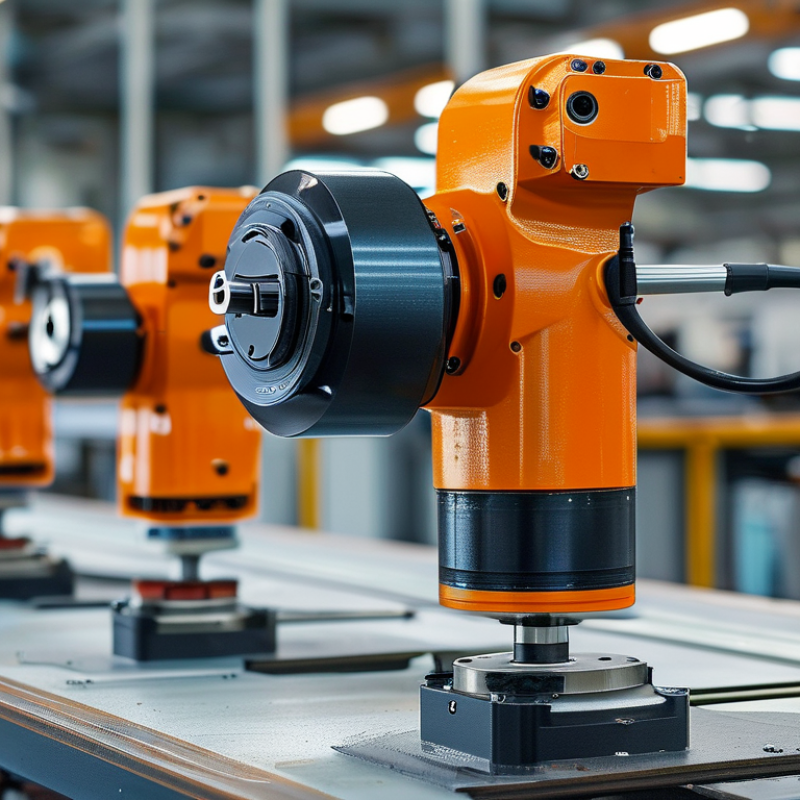
Rotary table drive technology has gained significant traction in various industries due to its unique capabilities. This system allows for precise and efficient rotational movements, making it ideal for applications that require accurate positioning. Engineers appreciate the smooth operation and reduced wear on components. It minimizes downtime, which can translate to cost savings over time.
Implementing rotary table drives can also streamline production processes. Their versatility allows them to be customized for different machinery types. However, understanding the technical aspects can be a challenge. Users often face a learning curve, especially when integrating this technology into existing systems. This might lead to initial inefficiencies. Yet, with patience and informed adjustments, these obstacles can be overcome.
Industrial professionals recognize that rotary table drives offer distinct advantages. Improvements in productivity and reduced maintenance needs are notable benefits. However, it's worth reflecting on the balance between investing in advanced technologies and ensuring proper training for personnel. Innovations can enhance operations, but without adequate knowledge, challenges may arise. Overall, rotary table drives represent a significant technological advancement in modern manufacturing, albeit with considerations to weigh.
Rotary table drives are crucial in industries requiring high precision. Recent reports indicate that nearly 70% of manufacturers prioritize accuracy in their operations. Enhanced precision is achieved through advanced engineering in rotary table designs. These drives minimize backlash and improve repeatability, crucial for tasks like machining and assembly.
Moreover, accuracy is becoming increasingly important as the demand for high-quality products rises. According to industry studies, companies using rotary tables have reported a 30% reduction in machining errors. This efficiency translates to lower rework costs and increased productivity. A precise rotary table enhances operational reliability, providing consistent results that satisfy rigorous quality standards.
However, challenges remain. Not all operators fully leverage the capabilities of rotary tables. Misalignment and improper calibration can lead to inaccuracies. Training and experience are essential for maximizing the benefits. Adopting the latest technologies, such as sensors and AI integration, can mitigate errors. Embracing these advancements may unlock even greater precision in rotary table operations.
The adoption of rotary table drives offers significant improvements in efficiency for manufacturers. These systems enable precise positioning, allowing for faster cycle times. When a machine can make accurate movements without delay, productivity increases. This results in higher output and better utilization of workforce resources.
Moreover, rotary table drives reduce wear and tear on tools. When machinery operates smoothly, the lifespan of components extends. Longer-lasting tools mean less frequent replacements. Manufacturers can save on maintenance costs, freeing up budget for innovation. However, depending solely on automation may create dependency issues.
Incorporating rotary table drives requires training. Staff must understand their operation for maximum benefit. Inadequate training may lead to errors that negate efficiency gains. Balancing automation with human oversight is crucial. This combination ensures that manufacturers reap the full rewards of advanced technology while maintaining quality control.
Rotary table drives are becoming essential in various industries due to their cost-effectiveness. A recent report highlights that nearly 30% of companies have reduced operational costs by adopting these systems. This shift indicates how much businesses aim to optimize efficiency while minimizing expenses. By providing precise control over movement, rotary tables enhance productivity in machining and assembly applications.
Moreover, studies reveal that rotary table systems can improve energy efficiency by up to 15%. This reduction in energy usage contributes to lower utility bills. As sustainability becomes a priority, many manufacturers are looking for ways to reduce their carbon footprint. Rotary table drives are a practical solution, helping companies meet environmental goals while saving costs. However, the initial investment can be substantial, causing hesitation among some buyers.
Regular maintenance and training are crucial for maximizing the benefits of these systems. Neglecting these factors may lead to unexpected downtime, ultimately reducing savings. Addressing the balance between cost and efficiency is vital. Companies must evaluate their specific needs before committing to rotary table drives. While benefits abound, careful consideration is necessary to fully harness their potential.
Rotary table drives have gained significant traction across various industries due to their versatility and efficiency. In manufacturing, these systems enhance production efficiency by allowing precise positioning. According to a report by Research and Markets, the global rotary tables market is expected to grow at a compound annual growth rate (CAGR) of 5.2% from 2023 to 2028. Diverse applications, including milling and grinding, utilize this technology to maintain accuracy.
In the aerospace and automotive sectors, rotary tables help streamline assembly processes. With advanced automation, they reduce cycle times significantly. The industry report suggests this can lead to productivity increases of up to 30%. However, businesses must consider the initial investment and ongoing maintenance costs. Adapting existing systems to integrate rotary technology can also pose challenges.
Moreover, the medical field benefits from rotary drives in precise machining of instruments. As precision is critical here, even minor errors can lead to significant issues. Some organizations are exploring Rotary Table Drive technology while facing hurdles in training staff. Despite such challenges, the potential for improved operational efficiency makes this technology worth consideration.
| Advantage | Description | Applicable Industries |
|---|---|---|
| High Precision | Provides accurate positioning for enhanced machining quality. | Manufacturing, Aerospace |
| Versatility | Suitable for various applications, from milling to drilling. | Automotive, Robotics |
| Compact Design | Space-saving design for small setups while maintaining performance. | Construction, Electronics |
| Enhanced Productivity | Reduces cycle time by allowing simultaneous operations. | Heavy Industry, Textile |
| Durability | Robust construction ensures long-lasting performance in harsh environments. | Mining, Oil & Gas |
| Easy Maintenance | Simplified maintenance procedures save time and reduce costs. | Maintenance Services, Manufacturing |
| Cost-Effectiveness | Maximizes operational efficiency, leading to lower overall production costs. | Start-ups, Small to Medium Enterprises |
| Safe Operation | Designed for ease of use, enhancing safety protocols. | Food Industry, Pharmaceutical |
| Modularity | Easy integration into existing systems or adapted for future needs. | Packaging, Automation |
| Advanced Technology | Incorporates the latest technologies for superior performance. | High-Tech Manufacturing, Aerospace |
: Rotary table drives are used for high precision tasks in machining and assembly operations.
Companies using rotary tables report about a 30% reduction in machining errors.
Nearly 30% of companies have cut operational costs by implementing rotary table systems.
They can improve energy efficiency by up to 15%, helping companies lower their carbon footprint.
Inaccuracies can arise from misalignment and improper calibration.
Proper training ensures operators leverage rotary tables' full capabilities, maximizing precision and efficiency.
Using sensors and AI can reduce errors and enhance operational precision.
Industries like manufacturing, aerospace, automotive, and medical sectors utilize rotary drives for precision tasks.
Initial investment, ongoing maintenance, and their specific operational needs are important factors to evaluate.
Neglect can lead to downtime, which ultimately diminishes any cost savings previously anticipated.
The article "Top 10 Advantages of Rotary Table Drive for Global Buyers" provides a comprehensive overview of the benefits of Rotary Table Drive technology, emphasizing its contribution to enhanced precision and accuracy in manufacturing processes. With its ability to streamline operations, this technology significantly boosts efficiency and productivity for manufacturers, making it an attractive option for businesses seeking to optimize their workflows.
Additionally, the Rotary Table Drive is highlighted for its cost-effectiveness, providing a reliable solution that reduces operational expenses while maintaining high performance. Its versatile applications across various industries further demonstrate its value, as it caters to a wide range of manufacturing needs, from precision machining to assembly tasks. Overall, the Rotary Table Drive presents a compelling case for global buyers looking to improve their production capabilities.
Manchen Transmission