In modern industry, efficiency and precision are paramount. One solution gaining traction is Crossed Roller Bearings. These innovative components offer unique advantages over traditional bearings. They are designed to accommodate loads in multiple directions, enhancing stability and performance in machinery.
Crossed Roller Bearings stand out for their compact design and high rigidity. They can endure substantial loads while maintaining accuracy. Their configuration allows for smooth movement, making them ideal for applications in robotics, aerospace, and semiconductor manufacturing. However, not all implementations are perfect. Sometimes, challenges in installation and alignment can arise, impacting performance if not addressed properly.
Understanding the benefits of Crossed Roller Bearings is essential. They can significantly improve the lifespan of machinery and reduce maintenance costs. As industries continue to evolve, the demand for reliable components will only grow. Exploring the advantages of these bearings can lead to better decision-making in equipment selection. The integration of Crossed Roller Bearings into design can revolutionize operational efficiency in various sectors.
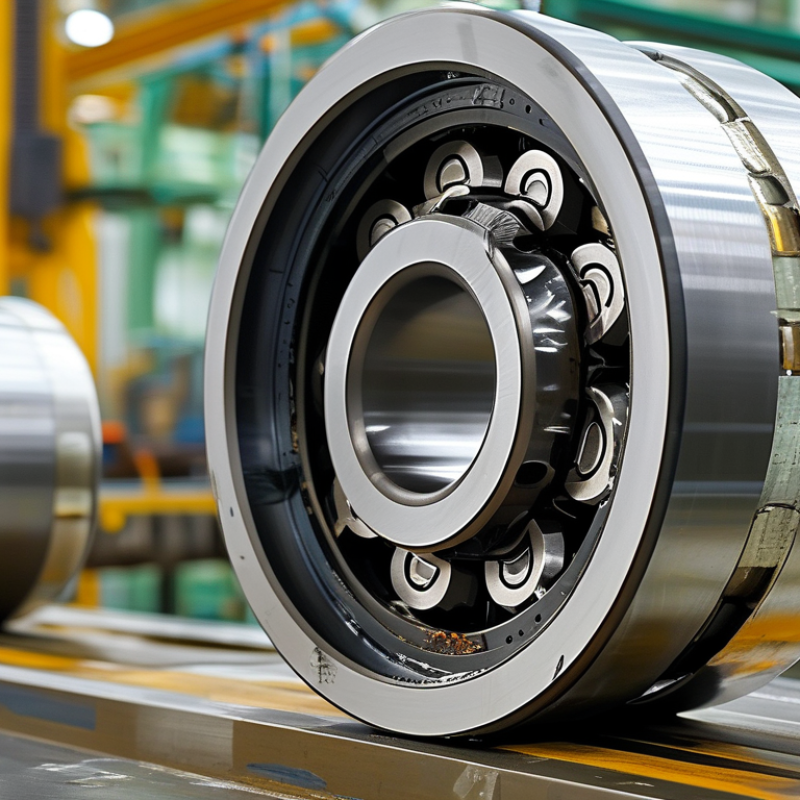
Understanding Crossed Roller Bearings: A Brief Overview
Crossed roller bearings are vital components in modern industries. They consist of cylindrical rollers arranged in a crossed pattern. This design enables them to handle loads in multiple directions efficiently. According to a recent report by the International Bearing Industry Association, these components exhibit a load capacity increase of up to 30% compared to traditional bearings. The improved performance is essential in applications requiring precision and reliability.
In robotics and automation, precision is critical. Crossed roller bearings provide minimal friction and high rigidity. This allows robotic arms to operate smoothly and accurately. Their compact design is particularly beneficial in tight spaces, where conventional bearings may not fit. However, while they offer many advantages, the installation process can be complex. It often requires specialized tools and expertise, which can offset some of the benefits.
The prevalence of crossed roller bearings in industrial machinery reflects their importance. For instance, in CNC machines, these bearings are crucial for maintaining high accuracy during operation. Reports indicate a 15% increase in productivity when switched from standard bearings to crossed ones. Despite their advantages, organizations must also consider costs and maintenance needs.
Key Advantages of Crossed Roller Bearings in Industrial Applications
Crossed roller bearings are gaining traction in various industrial sectors. Their design allows them to handle loads efficiently. The rollers are arranged at crossed angles, resulting in better load distributions, minimizing stress concentrations. According to a report by the International Journal of Advanced Manufacturing Technology, the use of crossed roller bearings can enhance the lifespan of machinery by 30%. This longevity reduces maintenance needs and associated costs.
In applications requiring precision and reliability, these bearings shine. Robotics is one area where they excel. A study from Machine Design points out that crossed roller bearings improve the accuracy of robotic arms by up to 15%. This precision is vital for tasks such as assembly and material handling. However, not all industries may fully adopt this technology. Some engineers may find the initial cost daunting.
The benefits extend beyond load capacity. The compact size allows for design flexibility in machinery. This adaptability can lead to innovative product designs. Yet, companies must assess their specific needs. Not every application will justify the investment. Thus, while crossed roller bearings present clear advantages, the decision to implement them should be carefully evaluated.
Enhanced Precision and Load Carrying Capacity of Crossed Roller Bearings
Crossed roller bearings are gaining attention in various industries due to their unique design and robust functionality. These bearings maintain a higher level of precision, making them ideal for applications requiring exact positioning. For example, in robotic arms and CNC machinery, a level of precision within 10 micrometers is often essential. Studies show that crossed roller bearings effectively reduce radial and axial runout, contributing to an overall enhanced performance.
Furthermore, the load-carrying capacity of crossed roller bearings is noteworthy. They can handle radial loads and axial loads simultaneously, which is significant for heavy machinery. According to a recent engineering report, a standard crossed roller bearing can support load capacities exceeding 20,000 N. This is crucial for applications in aerospace and automotive industries, where weight and space optimization are paramount. However, the complexity of their design can lead to challenges in assembly and maintenance. Proper training is vital for personnel to ensure reliable operation.
Despite their advantages, these bearings are not without limitations. They may require more stringent lubrication processes compared to other bearing types. Failure to maintain proper lubrication could lead to increased wear. Industry leaders recommend regular assessments to identify potential issues early. Balancing the benefits with necessary precautions will ensure the longevity of crossed roller bearings in critical applications.
Applications of Crossed Roller Bearings Across Various Industries
Crossed roller bearings are gaining traction across various industries due to their unique design and performance advantages. In robotics, their compact structure allows for high precision in joints and pivot mechanisms. The global robotics market, projected to reach $214 billion by 2030, increasingly relies on these bearings for their compactness and efficiency.
In the aerospace industry, crossed roller bearings contribute to the weight savings needed for fuel efficiency. A study by the International Journal of Aerospace Engineering highlighted that reducing component weight by even a few grams can lead to significant fuel savings over time. Their ability to withstand heavy loads and resist shock also makes them ideal for this critical application.
Tip: When selecting bearings, consider both dynamic and static load ratings. This helps ensure longevity and performance in demanding environments. Always evaluate potential friction rates and lubrication needs for optimal function. Regular maintenance can prevent wear and extend service life.
Similarly, medical devices benefit from the precision that crossed roller bearings provide. Surgical robots require reliable and accurate movements. According to a 2021 report, nearly 90% of healthcare facilities plan to invest in robotics for surgical purposes. This trend underscores the importance of using components like crossed roller bearings to support innovation in the medical field.
Benefits of Crossed Roller Bearings in Industry
| Industry Application |
Benefits |
Key Features |
| Manufacturing |
High precision and load capacity |
Compact design, reduced height |
| Robotics |
Smooth and accurate motion |
High rigidity and minimal play |
| Aerospace |
Lightweight and durable |
Resistance to vibration and shock |
| Medical Equipment |
Enhanced stability and reliability |
Cleanroom compatibility, low noise |
| Construction Machinery |
Increased load handling capabilities |
Resistant to dust and harsh conditions |
Future Trends and Innovations in Crossed Roller Bearing Technology
The future of crossed roller bearings is bright, as industries demand precision and durability. According to the latest market analysis by Global Industry Analysts, the crossed roller bearing market is projected to grow by 7.5% annually over the next five years. This growth is driven by advancements in automation and robotics, which require highly efficient and reliable components.
Recent innovations focus on advanced materials that enhance performance. For instance, manufacturers explore ceramic and composite materials to reduce friction and wear. These developments could lead to bearings that last longer and withstand extreme conditions. Yet, some challenges remain, such as the higher costs associated with these advanced materials. Continuous research is essential to balance performance and affordability.
Moreover, smart technology integrations are on the rise. Sensors embedded in bearings can monitor conditions in real-time. This can lead to predictive maintenance, reducing unexpected breakdowns and downtime. While these innovations are promising, many manufacturers struggle with implementation complexities. Feedback loops between design and production are crucial for refining these technologies. Bridging this gap will be vital in meeting future industrial demands.
Conclusion
Crossed Roller Bearings are advanced mechanical components designed to improve precision and load capacity in various industrial applications. Their unique design allows two sets of rollers to cross each other at right angles, which significantly enhances stability and strength. This feature is particularly beneficial in high-precision environments such as robotics, aerospace, and manufacturing, where consistent performance and reliability are paramount.
The advantages of Crossed Roller Bearings extend beyond mere load capacity; they also facilitate smoother motion and reduce friction, leading to increased efficiency in operations. As industries continue to evolve, the innovations in Crossed Roller Bearing technology promise to deliver even greater performance, opening the door to new applications and enhanced functionalities across multiple sectors.

 Manchen Transmission