In the world of mechanical engineering, the Crossed Roller Slewing Bearing is gaining significant attention. This component is crucial in various applications, from cranes to solar tracking systems. According to a recent report by Research and Markets, the global slewing bearing market is projected to grow at a CAGR of 6.5% from 2021 to 2026. This growth reflects the demand for high precision and reliability in heavy machinery.
Industry expert Dr. Alex Chen, a leading authority in bearing technology, states, "The Crossed Roller Slewing Bearing is a game-changer for operations requiring high load capacity and minimal maintenance." His insights underline the importance of this technology in modern engineering solutions. The design allows for enhanced rigidity and stability, enabling better performance in challenging conditions.
However, not all buyers are aware of the full benefits. Some may underestimate the potential cost savings over time or the improved safety features. This oversight can lead to missed opportunities for optimizing operations. Understanding the advantages of Crossed Roller Slewing Bearings is becoming essential for buyers striving for efficiency and innovation in their projects.
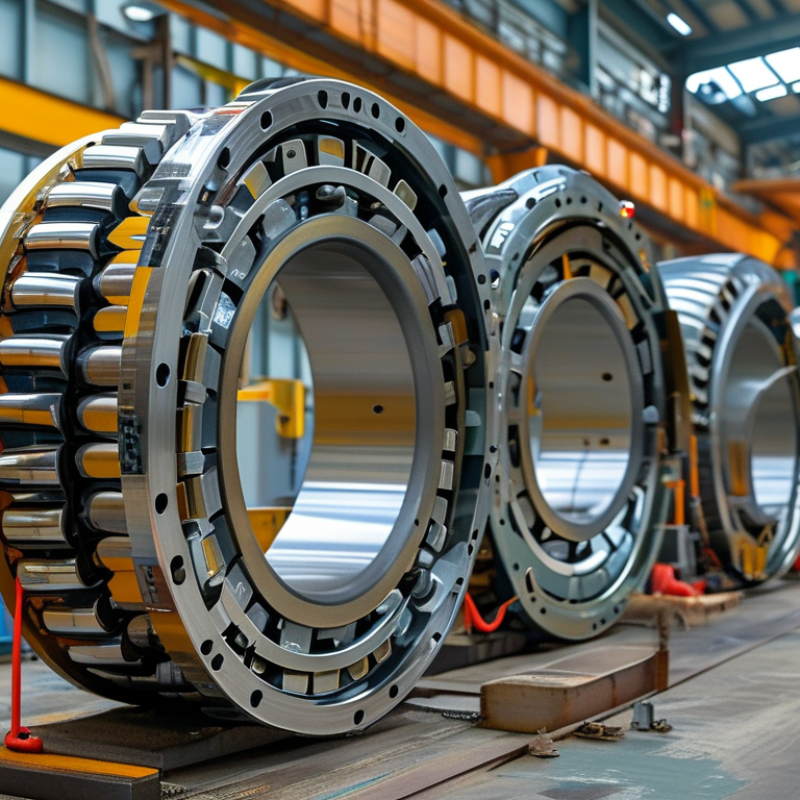
Understanding Crossed Roller Slewing Bearings: An Overview
Crossed roller slewing bearings are essential components in various machinery. They provide high load capacity and excellent precision. This makes them ideal for applications like cranes and robots. Understanding these bearings can help buyers make informed decisions. The configuration allows for load distribution in multiple directions, reducing stress on the system and enhancing durability.
Tips: Always consult with experts about your specific application needs. Sometimes, the simplest design can deliver superior performance.
When selecting crossed roller slewing bearings, consider both the load requirements and space constraints. Look for options that fit your machinery's specifications. Choose a design that minimizes friction and maximizes stability. It can be tempting to pick the most robust option, but sometimes a balance of strength and weight is necessary.
Choosing the right crossed roller slewing bearing is crucial. Remember to analyze the environmental conditions as well. Dust and temperature can affect performance, so ensure that the bearings are suitable for your working environment. Stability and precision are paramount for optimal operation.
Key Advantages of Crossed Roller Slewing Bearings for Buyers
Crossed roller slewing bearings offer unique advantages that appeal to various industries. One significant benefit is their ability to handle high radial and axial loads simultaneously. This versatility makes them ideal for applications like cranes, robotics, and large machinery. Manufacturers appreciate the compact design, which saves space without sacrificing strength.
Another key advantage is precision. These bearings maintain tight tolerances, ensuring smooth rotation. This accuracy is essential for equipment needing meticulous movements. Additionally, less friction leads to reduced wear over time, contributing to longevity. Users report lower maintenance costs, a welcome factor for budgeting.
Despite their benefits, some challenges exist. The installation process can be tricky and requires skilled personnel. Moreover, not all applications may need this level of engineering. Buyers must evaluate their needs carefully to avoid overspending on unnecessary features. Reflecting on these considerations can lead to better decision-making for purchasers.
Top 10 Benefits of Crossed Roller Slewing Bearing for Buyers
Comparative Analysis: Crossed Roller Bearings vs. Traditional Bearings
Crossed roller slewing bearings stand out in their performance compared to traditional bearings. These bearings consist of cylindrical rollers arranged at right angles, enhancing load capacity. As they can handle loads from multiple directions, engineers appreciate their versatility in various applications.
In contrast, traditional bearings often struggle under similar conditions. They focus on simpler structures, leading to potential weaknesses in load-bearing. These weaknesses can mean failure in heavy machinery or rotating applications. Crossed roller bearings minimize these risks, promoting smoother and safer operations.
Tip: When selecting a bearing type, consider the specific load requirements of your project. This technique will ensure you choose wisely. Also, be aware of the environment in which the bearings will be used. Harsh conditions can further affect performance.
Another point worth noting is maintenance. Crossed roller bearings may require less frequent lubrication than traditional types. This can lead to reduced downtime and lower costs in the long run. However, their initial investment can be higher, making the choice a bit tricky. Operators should weigh these factors carefully to make informed decisions.
Top 10 Benefits of Crossed Roller Slewing Bearing for Buyers
| Benefit |
Crossed Roller Bearings |
Traditional Bearings |
| Space Efficiency |
Compact design allows for smaller assemblies. |
Typically bulkier, requiring more space. |
| Load Capacity |
Can handle high radial and axial loads effectively. |
Limited load capacity, especially in axial loading. |
| Precision |
High precision movement with reduced backlash. |
Lower precision, may require adjustments. |
| Durability |
Longer lifespan due to better load distribution. |
Wear and fatigue can occur more rapidly. |
| Installation Flexibility |
Easier to install in complex configurations. |
Installation may be complicated in tight spaces. |
| Versatility |
Suitable for a variety of applications, including robotics. |
More limited application scope. |
| Maintenance |
Lower maintenance needs due to robust design. |
May require frequent maintenance and lubrication. |
| Cost Efficiency |
Higher upfront cost but lower total cost of ownership. |
Lower initial cost but higher long-term expenses. |
| Friction |
Reduced friction for smoother operation. |
Higher friction can lead to inefficiencies. |
| Thermal Stability |
Better performance under varying temperatures. |
Performance can degrade with temperature fluctuations. |
Applications of Crossed Roller Slewing Bearings in Various Industries
Crossed roller slewing bearings find applications across various industries due to their unique design and high load capacity. For example, in the construction sector, they are critical for cranes and excavators. These bearings can support both radial and axial loads, making them ideal for heavy machinery. According to a report from Grand View Research, the global slewing bearing market is projected to reach $3 billion by 2025, highlighting the growing demand in industries, including construction and aerospace.
In the wind energy sector, crossed roller slewing bearings are essential for turbine rotor applications. They provide the necessary stability and durability to withstand harsh environmental conditions. The increasing focus on renewable energy is expected to drive the market growth by 15% annually, according to a recent industry study. Manufacturers prefer these bearings for their ability to reduce friction and improve efficiency, thus prolonging the lifespan of the equipment.
Despite their advantages, the market does face challenges. The complexity of manufacturing crossed roller slewing bearings can lead to higher costs. Additionally, not all applications can benefit equally from their unique design. It is crucial for engineers to consider the specific needs of their projects before choosing this type of bearing. Balancing cost and performance is an ongoing discussion within the industry.
Cost Efficiency and Maintenance Benefits of Crossed Roller Slewing Bearings
Crossed roller slewing bearings offer remarkable cost efficiency, making them an excellent choice for various applications. Their design minimizes friction and wear, leading to longer lifespans. This reduces replacement costs over time. With fewer components than traditional bearings, maintenance is simpler and less frequent. Operators can save both time and money, which is a significant advantage in demanding industrial environments.
Incorporating these bearings can lead to optimized performance and lower operational costs. However, reliance on them requires a solid understanding of their capabilities. Buyers must ensure they select the right specifications for their specific needs. This careful selection process can prevent costly mistakes and improve overall system efficiency. While the initial investment may seem high, the long-term benefits often outweigh upfront costs. Consideration of these factors can lead to sustainable practices in production and machinery operations.
FAQS
: They are used in machinery like cranes and robots for high load capacity and precision.
They distribute loads in multiple directions, reducing stress and enhancing durability.
Evaluate load requirements, space constraints, and environmental conditions like dust and temperature.
Experts can guide choices for specific applications, leading to better performance and efficiency.
Yes, their design minimizes friction and wear, leading to lower replacement costs and less frequent maintenance.
With fewer components, maintenance is simpler and less frequent, saving time and money.
It can lead to costly mistakes and decreased system efficiency.
The upfront cost may be high, but long-term benefits usually make it worthwhile.
Overemphasizing strength without balancing it with weight and stability can be problematic.
Stability and precision are crucial for the best performance of crossed roller slewing bearings.
Conclusion
Crossed Roller Slewing Bearings are an innovative solution designed to meet the rigorous demands of various industries. These bearings provide key advantages such as improved load capacity and stability, which make them ideal for applications that require high precision and reliability. Compared to traditional bearings, Crossed Roller Slewing Bearings offer enhanced performance characteristics due to their unique design, which allows for reduced friction and more efficient operation.
In addition to their performance benefits, these bearings are also cost-effective in the long run, as they require less maintenance and have a longer service life. Their versatility allows them to be used in a wide range of applications, from construction machinery to robotics. Overall, the adoption of Crossed Roller Slewing Bearings is a smart choice for buyers looking to optimize operational efficiency and reduce costs in their machinery and equipment.

 Manchen Transmission