Top 10 Benefits of Using Hollow Rotary Tables in Manufacturing?

Time:2026-07-26 Author:Henry
0%

The manufacturing sector is increasingly recognizing the importance of precision and efficiency. The use of Hollow Rotary Tables represents a significant advancement in modern production processes. According to a report from the International Robotics Federation, the adoption of advanced automation tools has risen by 30% in recent years, highlighting the industry's shift toward more sophisticated machinery.

Experts like Dr. Emily Chen, a leading authority in manufacturing technology, emphasize the benefits of integrating Hollow Rotary Tables. She notes, "These tables enhance production capabilities significantly by providing both precision and flexibility." Manufacturers utilize Hollow Rotary Tables to achieve higher accuracy, reduce cycle times, and streamline operations.

However, not all facilities are adopting this technology effectively. Some still underestimate the initial investment, missing potential long-term gains. The challenge lies in transitioning traditional methods to advanced systems like Hollow Rotary Tables, which can yield substantial benefits if implemented wisely. As the industry evolves, understanding the true advantages of these tools becomes essential for competitive success.
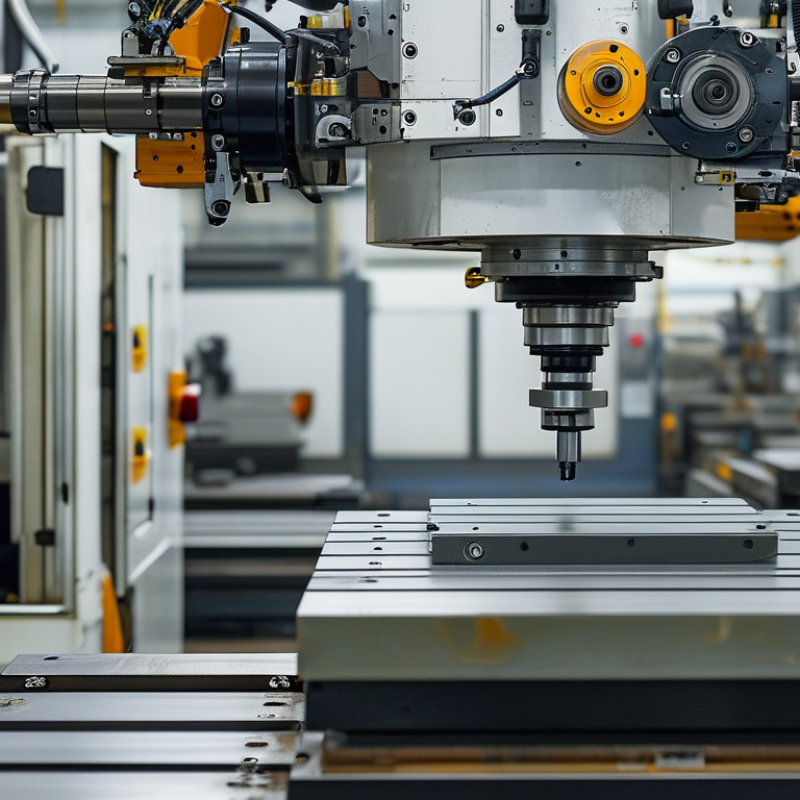
Top 10 Benefits of Using Hollow Rotary Tables in Manufacturing?

Benefits of Hollow Rotary Tables: Enhancing Precision in Manufacturing Processes

Hollow rotary tables are becoming essential in manufacturing. Their design allows for increased precision during machining processes. This is especially true for complex parts that require exact alignment. The hollow center permits the use of tools and fixtures without affecting space. As a result, manufacturers can achieve tighter tolerances. This improves overall product quality.

Moreover, these tables enhance workflow efficiency. They allow for uninterrupted machining as operators can set up new tasks while other pieces are in operation. This dual functionality reduces downtime. However, it's important to regularly monitor these systems for wear and tear. Failure to do so might compromise their precision. Adjusting to the needs of diverse projects can also pose challenges.

Training operators on effective usage remains vital. Each manufacturing setup is unique, making it essential to customize approaches. Despite the benefits, manufacturers must continually assess their processes. Identifying weaknesses will lead to improved strategies and the best use of hollow rotary tables. These considerations ensure that precision in manufacturing is always prioritized, moving gradually toward perfection.

Increased Efficiency: Streamlining Workflow with Hollow Rotary Tables

Hollow rotary tables have transformed manufacturing workflows by enhancing efficiency. These tables allow machines to rotate parts seamlessly during operations. According to a recent report by the Association for Manufacturing Technology (AMT), utilizing hollow rotary tables can lead to productivity increases of up to 30%. This is significant for manufacturers aiming for higher output without extensive investment.

When integrating hollow rotary tables, companies can streamline processes. Parts can be machined from multiple angles in one setup. This reduces the need for multiple fixtures, which often cause delays. However, transitioning to these systems requires training and adaptation, which some teams may struggle with. Not all processes may benefit equally from this technology, and careful assessment is vital.

The ability to manage complex part geometries is another advantage. Manufacturers can achieve intricate designs that would be challenging with traditional setups. A study by Tech-Clarity indicates that companies adopting advanced fixtures reported a 40% reduction in cycle times. However, not every manufacturer might see these results immediately; achieving such efficiency demands time and practice. Ensuring proper alignment and calibration can also prove difficult for some teams, underlining the need for ongoing training and evaluation.

Cost-Effectiveness: Long-Term Savings and ROI of Hollow Rotary Tables

Hollow rotary tables are gaining traction in manufacturing due to their cost-effectiveness. These tools not only improve efficiency but also lead to long-term savings. Their design allows for precise machining and minimizes waste, significantly affecting the bottom line. Companies find that the initial investment pays off within a few years.

When installing hollow rotary tables, consider maintenance costs. Regular, simple upkeep can extend their lifespan. Evaluate how often your equipment needs servicing and factor that into your budget. Additionally, keep an eye on the energy consumption of your machines. More efficient tools can drastically reduce operational costs over time.

Always assess your production needs. The versatility of hollow rotary tables means they can adapt to various manufacturing processes. Make sure you choose a model that fits your specific applications. Sometimes, larger tables seem tempting but may lead to inefficiencies in small production runs. Take the time to analyze your requirements and costs thoroughly.

Top 10 Benefits of Using Hollow Rotary Tables in Manufacturing

Space Optimization: Making the Most of Manufacturing Floor Layout

Space optimization in manufacturing is essential for boosting efficiency. Hollow rotary tables are a key solution for this challenge. Studies indicate that manufacturers can save up to 30% of their floor space by utilizing these tables. This reduction is significant for facilities dealing with limited real estate. A well-structured layout can lead to improved workflows and reduced production times.


The versatility of hollow rotary tables allows for a compact design that integrates multiple operations. This design enables manufacturers to position multiple machines closer together without compromising accessibility. Data reveals that such arrangements can improve production rates by 15 to 25%. However, careful planning is necessary; improper placement may lead to bottlenecks. Optimizing space must focus on both layout and the functionality of each machine.


Manufacturers must also reflect on potential drawbacks. While hollow rotary tables offer space-saving benefits, they can be costly to implement. The initial investment requires careful budget consideration. Despite these challenges, the long-term efficiency gains often justify the expense. Rethinking the floor layout with these tables can fundamentally enhance manufacturing performance and productivity.

Versatility in Applications: Adapting Hollow Rotary Tables for Various Industries

Hollow rotary tables offer unmatched versatility in manufacturing. They adapt easily to various industries, from aerospace to medical. Manufacturers can use them for precise machining, welding, and assembly tasks. Their unique design allows for the integration of multiple processes in one setup. This reduces downtime and enhances efficiency.

One notable application is in the aerospace sector. Hollow rotary tables facilitate the intricate machining of turbine components. These parts require high accuracy and speed. The ability to rotate and position workpieces effortlessly addresses these demands. In the medical field, hollow rotary tables enable the manufacturing of complex surgical instruments. Each instrument needs precision to ensure patient safety.

Despite their advantages, challenges exist. Some users may find it hard to select the right table for their needs. Factors like load capacity and rotation speed can be confusing. It’s crucial to assess specific project requirements. Understanding the unique needs of each application is essential for maximizing the benefits of hollow rotary tables.

Top 10 Benefits of Using Hollow Rotary Tables in Manufacturing

Benefit Description Industry Applications Example Use Case
Increased Precision Hollow rotary tables improve accuracy by providing stable support during machining. Aerospace, Automotive Used in precision parts manufacturing.
Enhanced Productivity Enables uninterrupted machining by allowing setups with tools and fixtures installed. General Manufacturing, Aerospace Multi-tasking operations in CNC machines.
Space-saving Design Hollow structure allows for central workpiece clamping without taking extra space. Small Parts Manufacturing, Robotics Used in compact workspaces to optimize layout.
Versatility in Operations Can be adapted for various machining operations like drilling, milling, and grinding. Automotive, HVAC Multi-step manufacturing processes.
Reduced Setup Time Quick-change setups minimize downtime between job runs. Mass Production, Custom Fabrication Short runs of various prototypes.
Improved Access Eases access to workpieces for additional operations without changing setups. Medical Device Manufacturing, Aerospace Secondary operations on tubular components.
Enhanced Cooling Systems Hollow design can incorporate cooling channels for temperature management. Heavy Machinery, Steel Manufacturing High-speed machining of heat-sensitive materials.
Customization Options Easily modified for specific machining requirements or unique workpieces. Specialty Manufacturing, Aerospace Custom fixtures for specialized parts.
Cost Efficiency Long-term savings through reduced setup, labor costs and increased throughput. All Manufacturing Sectors Increasing competitiveness in price-sensitive markets.
Integration with Automation Can be easily integrated with robotic systems for automated production lines. Electronics, Automotive Robotic arms maneuvering parts at high speed.

FAQS

: What are hollow rotary tables used for in manufacturing?

: Hollow rotary tables are used for precise machining, welding, and assembly tasks across various industries.

How do hollow rotary tables enhance efficiency?

They allow for dual functionality, enabling uninterrupted machining while setting up new tasks, which reduces downtime.

Are hollow rotary tables cost-effective in the long run?

Yes, they lead to long-term savings by improving efficiency and reducing waste, often paying off initial investments.

What should be considered regarding maintenance for hollow rotary tables?

Regular upkeep is crucial. Determine maintenance costs and how often the equipment needs servicing for budget planning.

How do hollow rotary tables adapt to different manufacturing processes?

Their versatility allows them to be used across industries, making them suitable for a variety of applications.

What challenges might users face when selecting hollow rotary tables?

Users may struggle with choosing the right model due to confusion about load capacity and speed requirements.

Why is training important for operators using hollow rotary tables?

Effective training ensures operators can customize their approach, as each manufacturing setup is unique.

How can manufacturers improve their processes with hollow rotary tables?

Continually assessing processes helps identify weaknesses, leading to better strategies and usage of the equipment.

What impact does energy consumption have on hollow rotary tables?

Monitoring energy consumption can significantly reduce operational costs over time and increase overall efficiency.

What is an example of hollow rotary tables in specific industries?

In aerospace, they enable precise machining of turbine components, and in medical, they aid in producing complex surgical instruments.

Conclusion

The article "Top 10 Benefits of Using Hollow Rotary Tables in Manufacturing" outlines how Hollow Rotary Tables significantly enhance manufacturing processes. One of the key benefits is their ability to improve precision, allowing for more accurate machining and assembly. Additionally, these tables streamline workflow, leading to increased efficiency by reducing setup times and enabling quicker transitions between tasks.

Cost-effectiveness is another crucial advantage, as investing in Hollow Rotary Tables can lead to long-term savings and a higher return on investment. Furthermore, they optimize space within manufacturing facilities, making better use of floor layouts. Their versatility allows them to be adapted for diverse applications across various industries, making them an indispensable tool in modern manufacturing environments.


Henry

Henry

Henry is a dedicated marketing professional with a profound expertise in the company's offerings. With years of experience in the industry, he possesses an impressive understanding of the market dynamics and consumer behaviors that drive success. Henry is committed to sharing his insights through......