Concentrated Solar Power (CSP) technology is gaining traction globally. Its ability to harness sunlight effectively makes it a valuable energy source. As nations shift toward renewable energy, CSP offers solutions that blend sustainability with efficiency. Significant investments in CSP projects show a commitment to green technologies.
Buyers in the global market face many options in CSP systems. Each technology comes with unique advantages and challenges. Selecting the right CSP technology depends on various factors, including location and budget. Understanding these factors is crucial for making informed decisions.
While CSP presents immense potential, it is not without challenges. Installation costs can be high, and efficiency varies. Some technologies may require extensive land, limiting their practicality. Buyers must navigate these complexities to realize the benefits of CSP. A careful evaluation of each option can lead to successful implementation.
Best Concentrated Solar Power Technologies Overview
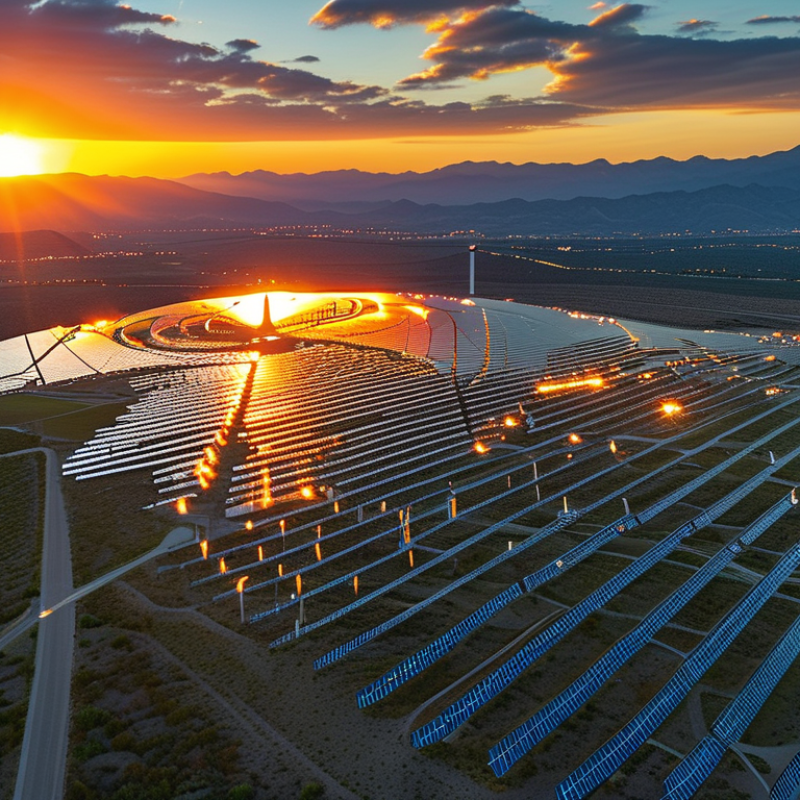
Concentrated Solar Power (CSP) technologies harness sunlight to generate electricity efficiently. These systems use mirrors or lenses to focus sunlight, creating heat that drives turbines. The most common types include parabolic troughs, solar towers, and dish systems. Each technology has distinct features that cater to different needs.
In a parabolic trough system, long, curved mirrors concentrate sunlight onto a receiver. This receiver heats fluid, which then produces steam to drive a turbine. Solar towers, on the other hand, utilize a field of mirrors that focus light onto a single tower. This technology can achieve higher temperatures, making it more suitable for large-scale projects.
While CSP technology is promising, challenges remain. High initial costs can deter investment. Additionally, energy storage systems are crucial for providing power when sunlight is scarce. Some CSP plants face efficiency issues in cloudy conditions. Addressing these concerns will enhance the reliability of CSP technologies for global buyers, paving the way for a sustainable energy future.
Key Components of Concentrated Solar Power Systems
Concentrated Solar Power (CSP) systems have gained popularity due to their efficiency in harnessing solar energy. Central to these systems are several key components that facilitate effective energy conversion. Reflectors play a critical role in CSP by capturing sunlight and directing it towards a receiver. This process can significantly increase the temperature of a working fluid, typically oil or molten salt. The choice of reflector design can greatly impact overall system efficiency.
The receiver itself is another vital element. It absorbs concentrated solar energy and transfers this heat to the working fluid. Materials used in the receiver must withstand high temperatures and provide excellent thermal conductivity. This is a complex challenge, and sometimes the materials don't perform as expected under real-world conditions. It's essential to continually refine these materials based on empirical data from operational plants.
Energy storage systems are also crucial in CSP technology. They allow for the storage of heat, enabling energy production even when sunlight is not available. This is a significant drawback in many solar technologies, but it still comes with challenges. Balancing cost and efficiency continues to be an area that requires innovation and careful assessment, as different storage methods vary widely in effectiveness and expense. Exploring these complexities can lead to more robust and reliable systems in the future.
Comparison of Leading CSP Technologies in the Market
Concentrated Solar Power (CSP) technologies offer diverse solutions for harnessing solar energy. They use mirrors or lenses to focus sunlight onto a small area. This creates heat, which can generate electricity or provide thermal energy for other uses. With growing energy demands, CSP is gaining attention globally.
The main CSP technologies include parabolic troughs, power towers, and dish systems. Parabolic troughs are the most common. They have a long, curved shape that collects sunlight efficiently. Power towers use a large field of mirrors to direct sunlight to a high tower. This setup can store heat effectively. Dish systems, though less common, can reach high temperatures for specialized applications. Each technology has its own benefits and caveats.
While CSP has significant promise, challenges persist. Installation costs can be high, and areas with high solar exposure are required. Intermittency can impact efficiency. The industry must address these issues to enhance adoption. Nevertheless, CSP can play a crucial part in transitioning to renewable energy sources. This shift is essential for sustainability and energy security.
Benefits and Challenges of Concentrated Solar Power Deployment
Concentrated Solar Power (CSP) technology offers various benefits and challenges. One of the primary advantages is its efficiency in converting sunlight into electricity. CSP systems utilize mirrors or lenses to focus sunlight, generating heat to produce power. This method can store energy, providing a reliable power supply even during cloudy days or at night.
However, deploying CSP comes with obstacles. High initial investment costs can deter some investors and projects. Additionally, CSP technologies require specific locations with high direct sunlight. Areas with less consistent sunlight may find CSP less effective. This geographical limitation raises concerns about accessibility in regions lacking ideal conditions.
Tips: Investors should conduct thorough research before committing. Understanding local solar resources is critical. Engaging with experts in CSP can provide essential insights. Evaluating potential sites with analytic tools may help identify suitable locations for installations. Balancing costs and benefits ensures informed decision-making.
Best Concentrated Solar Power Technologies for Global Buyers
| Technology Type |
Efficiency (%) |
Typical Cost ($/kW) |
Land Requirement (ha/MW) |
Energy Storage Capability |
Deployment Challenges |
| Parabolic Trough |
15-20 |
3,500 - 7,000 |
6-12 |
Yes |
High upfront cost |
| Solar Tower |
20-25 |
4,000 - 8,000 |
12-15 |
Yes |
Site selection complexity |
| Dish Stirling |
25-30 |
5,000 - 10,000 |
1-3 |
Limited |
High maintenance cost |
| Linear Fresnel |
10-15 |
2,500 - 5,000 |
3-6 |
Yes |
Lower efficiency |
Global Trends Influencing CSP Adoption Among Buyers
The global landscape for Concentrated Solar Power (CSP) is evolving rapidly. Recent reports indicate that the global CSP market is expected to grow at a compound annual growth rate (CAGR) of over 20% by 2025. This surge is driven by increasing energy demands and a push for sustainable solutions. CSP technologies, such as parabolic troughs and solar towers, are gaining traction due to their efficiency and capacity for energy storage.
Political support and financial incentives play crucial roles in CSP adoption. Countries are setting ambitious renewable energy targets. For instance, according to the International Renewable Energy Agency (IRENA), CSP contributed to 18% of the global solar power generation in 2022 alone. However, the initial investment remains a significant barrier. High capital costs and long payback periods often deter potential buyers.
Technological advancements are paving the way for cost reductions. Innovations in heat transfer fluids and mirror designs promise improved performance. Yet, challenges like grid integration and land requirements demand attention. Stakeholders need to address these issues while balancing environmental impacts and energy needs. Aligning with industry trends and governmental support is crucial for the future of CSP technologies.
Best Concentrated Solar Power Technologies Adoption Trends
Conclusion
Concentrated Solar Power (CSP) technologies leverage mirrors or lenses to concentrate sunlight onto a small area, generating high temperatures to produce electricity. This article provides an overview of the best CSP technologies available for global buyers, highlighting their key components such as solar collectors, heat transfer systems, and energy storage solutions.
A comparative analysis of leading CSP technologies reveals their unique strengths and weaknesses, helping buyers make informed decisions. Furthermore, the article discusses the benefits of CSP deployment, including renewable energy generation and reduced greenhouse gas emissions, alongside challenges like high initial costs and site suitability. Global trends are also examined, illustrating the increasing adoption of CSP as countries move toward sustainable energy solutions.

 Manchen Transmission