What is the Best Slewing Reducer for Your Application?

Time:2026-07-11 Author:Amelia
0%

In the world of heavy machinery, choosing the right slewing reducer is crucial. Experts stress the impact of this decision. John Smith, a leading engineer in the slewing reducer industry, states, “Selecting the right slewing reducer can make or break your project.” His experience highlights the importance of understanding specific applications.

Slewing reducers are essential for machinery that requires precise rotational movement. They transfer power with efficiency and accuracy, ensuring optimal performance. Yet, the variety available can confuse users. Factors such as load capacity, speed, and torque must align with your project needs. A mismatch can lead to costly delays and failures.

Investing time in understanding your requirements is vital. Many overlook the details that can significantly influence results. Reflecting on specific needs and asking the right questions is key. In a market filled with options, a well-informed choice will lead to success.
What is the Best Slewing Reducer for Your Application?

Understanding Slewing Reducers: Definition and Functionality

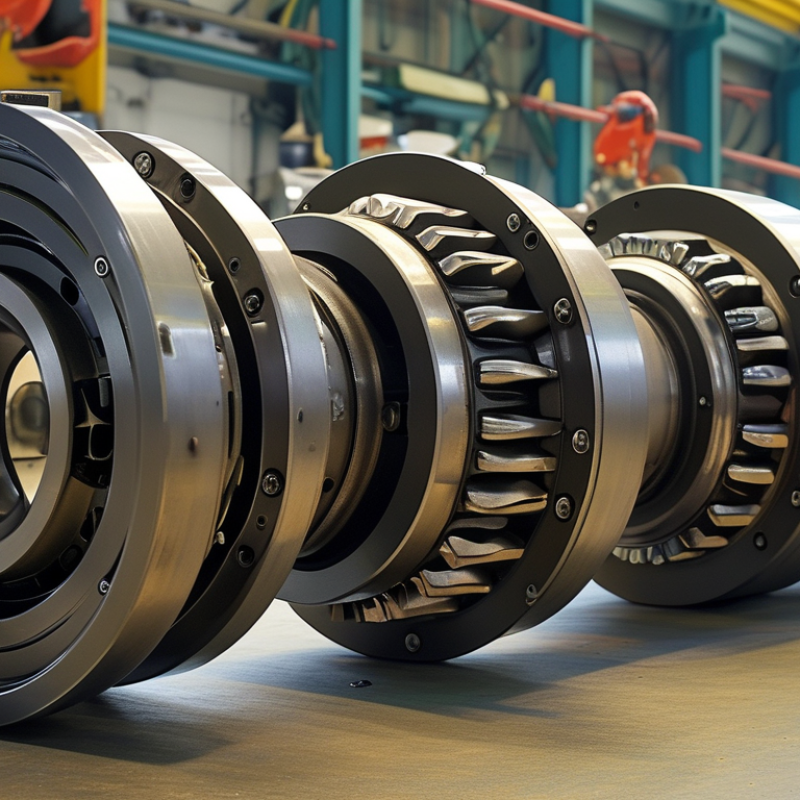
Slewing reducers are essential components in many machines. They efficiently transfer power while allowing for rotational movement. Their design typically involves a combination of gears and bearings. This allows them to provide a significant reduction in speed and an increase in torque. They excel in applications where precision and control are crucial.

Understanding the functionality of slewing reducers involves recognizing their role in various industries. They are widely used in cranes, excavators, and wind turbines, among others. The internal mechanics usually consist of a worm gear or a planetary system. This design helps to minimize backlash, ensuring smooth and responsive operation. However, selecting the right slewing reducer can be challenging. Factors such as load capacity, environmental conditions, and required speed ratios must be carefully considered.

The importance of maintenance cannot be overlooked. Regular inspection of lubrication levels, wear, and alignment is crucial. Neglecting these details can lead to performance issues over time. Users often find themselves facing unexpected downtimes due to improper care. Reflecting on these factors can help in making better choices for specific applications. By understanding their design and function, you can enhance your operational efficiency.

Key Factors to Consider When Selecting a Slewing Reducer

When selecting a slewing reducer, several key factors should be taken into account. The load capacity is paramount. According to industry reports, most applications require reducers to handle loads ranging from 1 to 50 tons. Choosing a reducer with a capacity above your needs ensures longevity and reliability.

Another crucial factor is the gear ratio. A higher gear ratio provides greater torque but may slow down the system. Analyzing the application’s speed and torque requirements is essential. Research indicates that a gear ratio between 5:1 and 100:1 is common in construction and industrial machinery.

Additionally, the environment plays a significant role. In harsh conditions, like mining or marine applications, a robust housing material is vital. The choice of seals and lubricants also affects performance and lifespan. Some studies suggest that improper sealing can reduce efficiency by up to 15%. It's important to evaluate these aspects rather than relying solely on previous experiences or default options.

Best Slewing Reducers by Load Capacity

This chart displays the number of available models of slewing reducers categorized by their load capacity. When selecting a slewing reducer for your application, consider the load capacity needed to ensure optimal performance and reliability.

Types of Slewing Reducers and Their Applications

Slewing reducers play a critical role in various heavy machinery and industrial applications. Common types include worm gear, planetary gear, and cycloidal gear reducers. Each type offers unique benefits suited for specific tasks. For example, worm gear reducers excel in applications requiring high gear ratios and low-speed operations. Their ability to handle shock loads makes them a preferred choice for cranes and excavators.

Planetary gear reducers are known for their compact design and high torque capacity. They are ideal for applications in robotics and automation, where space limitations are a concern. According to a recent report from the Machinery and Equipment Association, about 30% of manufacturers prefer planetary gears for their efficiency and reliability in dynamic environments. Cycloidal gear reducers, with their unique motion characteristics, prove effective for applications needing high reduction ratios without a large footprint.

Choosing the right slewing reducer involves understanding the application’s specific requirements. Many engineers face challenges in balancing performance, cost, and lifespan. There are ongoing discussions in industry forums about the importance of selecting the appropriate gear type. Misjudgments in this selection process can lead to reduced efficiency and increased operational costs over time. Evaluating data from past projects helps in making informed decisions.

Performance Metrics for Evaluating Slewing Reducers

When selecting a slewing reducer, performance metrics play a crucial role. Key factors include torque capacity, speed ratio, and backlash. These metrics can help determine the suitability of a reducer for your specific application. Torque capacity indicates the maximum load the device can handle. A higher torque rating typically means better performance in demanding tasks.

Speed ratio defines how effectively the input speed translates to output speed. Opting for the right ratio is essential in applications requiring precise movements. Backlash measures the play between components when changing direction. Low backlash is ideal for applications needing accurate positioning.

Other considerations include efficiency and service life. A more efficient reducer reduces energy consumption, impacting operational costs. It's important to analyze the environment where the reducer will be used. Harsh conditions may require specialized features. Balancing these metrics with actual application needs can be challenging. Regular assessments of performance metrics can help refine choices over time.

Maintenance Tips for Extending the Lifespan of Slewing Reducers

Slewing reducers are vital in various applications. Proper maintenance can significantly enhance their lifespan. Regular inspections are essential. Check for signs of wear, such as unusual noises or vibrations. Small issues can escalate quickly if ignored.

Lubrication is another critical factor. Ensure the right lubricant is applied consistently. Too much or too little can lead to overheating or increased friction. Clean the exterior regularly to prevent dirt buildup. Dust can enter and contaminate the internal components.

Monitoring the operational environment is crucial. Extreme temperatures and humidity can affect performance. Adjust maintenance schedules based on conditions. Always consult a professional if you notice any irregularities. Addressing problems early can save time and costs in the future.

What is the Best Slewing Reducer for Your Application? - Maintenance Tips for Extending the Lifespan of Slewing Reducers

Application Recommended Slewing Reducer Maintenance Tip Lifespan Expectation
Construction Equipment Gearbox Type A Regular lubrication every 500 hours 5-10 years
Renewable Energy Hybrid Type B Inspect seals and bearings quarterly 10-15 years
Transportation Systems Planetary Type C Clean and check for wear bi-annually 7-12 years
Aerospace Applications Precision Type D Monitor for vibrations and noise frequently 15-20 years
Robotics Electric Type E Calibrate settings at least once a year 8-14 years

FAQS

: What are slewing reducers?

: Slewing reducers are components that transfer power and enable rotational movement in machines.

What industries use slewing reducers?

They are used in cranes, excavators, and wind turbines, among others.

What are the main types of slewing reducers?

The main types include worm gear, planetary gear, and cycloidal gear reducers.

What should be considered when choosing a slewing reducer?

Consider load capacity, speed ratios, and environmental conditions for specific applications.

How important is maintenance for slewing reducers?

Regular maintenance is crucial to prevent performance issues and unexpected downtimes.

What does torque capacity indicate?

Torque capacity shows the maximum load a slewing reducer can handle effectively.

Why is selecting the right speed ratio important?

The right speed ratio ensures precise movements in applications needing accuracy.

What does low backlash mean?

Low backlash is essential for applications requiring accurate positioning and smooth operation.

How does efficiency impact operational costs?

A more efficient reducer lowers energy consumption, positively affecting operational expenses.

Why evaluate performance metrics regularly?

Regular evaluations refine choices and adapt to changing application needs over time.

Conclusion

The article "What is the Best Slewing Reducer for Your Application?" delves into the essential components of slewing reducers, highlighting their definition, functionality, and significance across various applications. Slewing reducers are critical mechanical devices that facilitate the rotation and positioning of heavy loads, making them ideal for cranes, excavators, and other machinery.

Key factors in selecting a slewing reducer include load capacity, gear ratio, and the desired torque output. Different types of slewing reducers, such as worm gear, planetary, and cycloidal, are explored, each with unique advantages suited for specific applications. Performance metrics—including efficiency, backlash, and operational lifespan—are crucial for evaluating the effectiveness of slewing reducers. Finally, the article emphasizes the importance of regular maintenance practices to extend the lifespan of slewing reducers and ensure optimal operation, ultimately guiding users to make informed decisions for their specific needs.


Amelia

Amelia

Amelia is a seasoned marketing professional with a wealth of expertise in our company’s core offerings. With an unwavering passion for driving growth and innovation, she plays a pivotal role in shaping our marketing strategies and enhancing brand visibility. A key aspect of her responsibilities......