How to Choose the Best Vertical Slewing Drive for Your Needs?

Time:2026-07-03 Author:Madeline
0%

Choosing the right Vertical Slewing Drive is crucial for many applications. Industry expert, Dr. James Carter, emphasizes, "Selecting the right slewing drive can significantly enhance operational efficiency." His insights highlight the importance of careful consideration in this process.

Vertical Slewing Drives are essential in construction, robotics, and renewable energy sectors. These drives allow for smooth rotation in various equipment. Different models serve unique needs. Factors like load capacity, speed, and mounting options play a significant role. You may face challenges in determining which specifications best suit your requirements.

In this complex landscape, understanding your project's demands is paramount. The options can be overwhelming. An ill-informed choice can lead to inefficiencies or even failures in critical operations. Reflecting on each aspect of your needs will guide you to the best Vertical Slewing Drive.
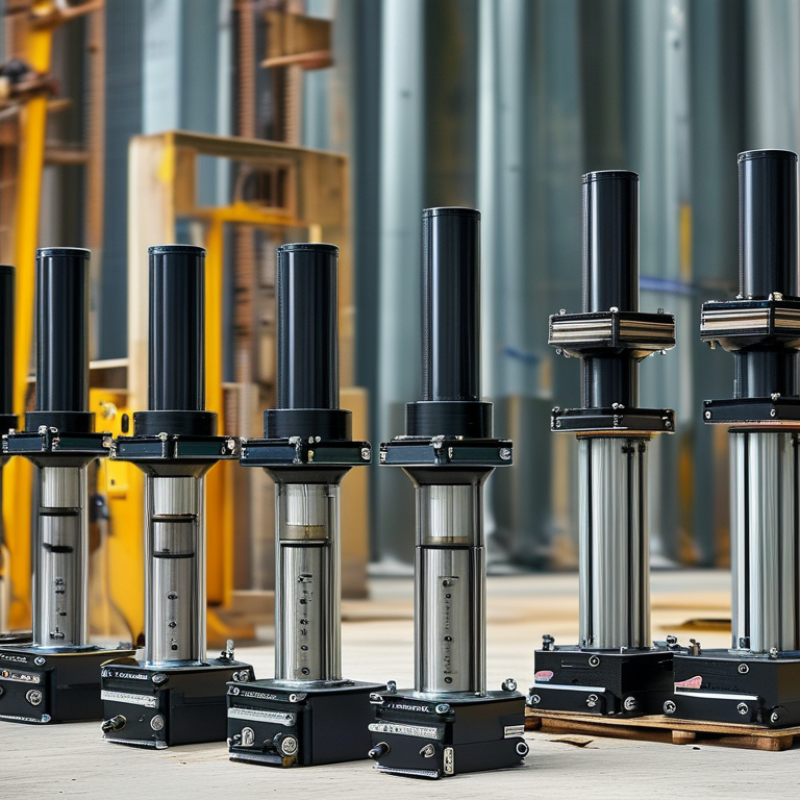
How to Choose the Best Vertical Slewing Drive for Your Needs?

Understanding Vertical Slewing Drives and Their Applications

Vertical slewing drives play a crucial role in various applications, from construction to renewable energy. These devices allow for precise rotational movement while managing substantial loads. Understanding their mechanics is essential for making informed choices. They consist of gears, motors, and bearings designed for specific torque and speed. Thus, familiarity with their components can guide your selection.

Applications vary widely, highlighting the versatility of vertical slewing drives. For instance, they are instrumental in cranes and excavators, enabling smooth movements. In wind turbines, they adjust the blade angles, optimizing energy capture. Observing these uses reveals the importance of environment and conditions. This knowledge can direct you to choose a drive that fits your specific needs.

Selecting the right drive requires a nuanced understanding of your requirements. Factors like weight capacity, size, and speed must be considered. Inadequate selection can lead to operational inefficiencies. You may find that some drives do not perform well under specific conditions. Therefore, researching and reflecting on your needs can lead to better outcomes.

Key Factors to Consider When Selecting a Slewing Drive

When selecting a vertical slewing drive, several key factors come into play. The operating environment is crucial. If exposure to harsh conditions is expected, you need a durable design. For instance, materials should resist corrosion and wear. Additionally, weight capacity is vital. According to industry reports, slewing drives can support loads ranging from a few hundred kilograms to several tons. Knowing your load requirements prevents premature failure or underutilization.

Tip: Always evaluate the required torque and speed ratios based on your application. An inappropriate selection can lead to inefficiency.

Another factor to consider is precision. Some applications demand high accuracy in positioning. A slewing drive with a higher gear ratio can enhance precision, but this may come at the cost of speed. Industry analyses suggest that a gear ratio between 60:1 and 100:1 is commonly effective. However, too much gearing may slow down operations, so it's essential to strike a balance.

Tip: Consult with an expert to assess your project's specific needs. Their insights can guide you toward the most suitable options.

Best Vertical Slewing Drive Selection Factors

This chart displays the importance level of various factors to consider when selecting a vertical slewing drive, with a scale from 1 to 10. The Load Capacity is the most critical factor, followed by Precision and Speed.

Evaluating Load Capacity and Torque Requirements

When selecting a vertical slewing drive, understanding load capacity and torque requirements is crucial. Load capacity refers to the maximum weight the drive can handle. This varies significantly depending on the size and design of the drive. If you underestimate this, you may experience premature wear or catastrophic failure. To avoid these scenarios, ensure you calculate the total load, including dynamic forces and safety factors.

Torque requirements are equally important. Torque dictates how well your drive will perform under various operational conditions. A drive needs sufficient torque to handle the weight and movement of the load. Insufficient torque can lead to sluggish operation and overheating. Consider the maximum and minimum torque needed for your specific application. If there are fluctuations in load or speed, it's essential to account for these in your calculations.

Sometimes, we may think we understand our needs but overlook critical factors. Regularly reassessing your application's requirements can yield better performance. Keeping a close eye on usage patterns may reveal areas for improvement. Understanding load and torque requirements not only enhances efficiency but also safeguards your investment in the slewing drive technology.

Assessing Gear Ratio and Performance Specifications

When selecting a vertical slewing drive, gear ratio and performance specifications are crucial factors to consider. The gear ratio determines the torque output and speed. A higher gear ratio often means more torque but less speed. This balance is essential for achieving the performance you need in your specific application. It's vital to assess your requirements carefully. Sometimes, users overlook how these specifications align with their machinery.

Performance specifications extend beyond just the gear ratio. You need to consider load capacity, durability, and environmental resistance. Evaluating how these factors impact the overall efficiency of your machinery is critical. For instance, a drive may perform well in controlled settings yet fail under harsh conditions. Users often face challenges when selecting the right size and type for their equipment. Understanding these nuances can prevent costly mistakes.

Another aspect is compatibility with existing systems. Many users find themselves needing adjustments to make a new drive work. This can lead to unexpected downtime. So, be prepared for some trial and error during the selection process. It’s necessary to gather data, compare options, and consult experts. Don't hesitate to ask for advice from trusted sources. Experience and thorough research will guide you toward the best choice for your needs.

Comparing Manufacturer Reliability and Warranty Options

When choosing a vertical slewing drive, evaluating the manufacturer's reliability is crucial. A reputable manufacturer should offer consistent quality. Look for reviews and recommendations from industry professionals. They often have firsthand experience with different products. Knowledge from real users can guide your decision.

Warranty options play a significant role in your choice. A robust warranty reflects confidence in the product. Examine the terms carefully. Some warranties might seem appealing but have hidden limitations. A strong warranty covers crucial parts and offers long-term support. It reassures you of the product's durability.

Remember, not all manufacturers live up to their promises. Research is essential. Utilize trusted forums and industry publications. Learn about any reported issues or customer complaints. This information can save you from poor investment choices. Identifying a reliable manufacturer with a strong warranty ensures you make a wise selection.

How to Choose the Best Vertical Slewing Drive for Your Needs? - Comparing Manufacturer Reliability and Warranty Options

Manufacturer Reliability Rating (1-5) Warranty Period (Years) Customer Support Rating (1-5) Average Lead Time (Weeks)
Manufacturer A 4 3 5 6
Manufacturer B 5 4 4 8
Manufacturer C 3 2 3 5
Manufacturer D 4 5 5 4
Manufacturer E 2 1 2 7

FAQS

: What is load capacity in a vertical slewing drive?

: Load capacity is the maximum weight that the drive can handle. It varies by size and design.

Why is torque important for slewing drives?

Torque is crucial for performance. Insufficient torque causes sluggish operation and overheating issues.

How can I calculate load requirements?

Calculate total load, including dynamic forces and safety factors, to prevent premature wear or failure.

What is gear ratio?

Gear ratio determines torque output and speed. A higher ratio means more torque but less speed.

How do performance specifications affect my machinery?

Performance specs impact efficiency. A drive may fail in harsh conditions even if it works well indoors.

What challenges might I face when selecting a drive?

Users often overlook compatibility with existing systems, leading to unexpected downtime and adjustments.

Should I focus only on torque and load capacity?

No, consider other factors like durability and environmental resistance for optimal performance.

How often should I reassess my application’s requirements?

Regularly reassessing can help identify improvement areas and enhance overall performance.

Can I seek advice during the selection process?

Yes, consulting experts can help steer you toward the best options for your needs.

What should I expect during the selection process?

Be ready for trial and error. Gathering data and comparing options is crucial for making informed choices.

Conclusion

When selecting a Vertical Slewing Drive, it's essential to understand its applications and how it can enhance your project. Key factors to consider include the operational load capacity and torque requirements, which will determine the drive's suitability for specific tasks. Additionally, assessing the gear ratio and performance specifications is crucial for ensuring optimal functionality and efficiency.

Evaluating manufacturer reliability and warranty options is another critical aspect, as this can affect the long-term performance and maintenance of your Vertical Slewing Drive. By carefully considering these factors, you can make an informed decision that aligns with your specific needs and operational demands, ensuring you choose the best slewing drive for your application.


Madeline

Madeline

Madeline is a dedicated marketing professional with a wealth of expertise in our company's core offerings. With a keen understanding of the industry, she brings a unique perspective to her role, consistently delivering high-quality content that highlights the superior aspects of our products. As......