Choosing a Cpv Solar Panel is not just a matter of comparing rated power or price. Concentrated photovoltaic systems use optics to focus direct sunlight onto high-efficiency cells, so their performance depends strongly on location and system design. A site with clear skies and strong direct normal irradiance may be suitable. Frequent cloud cover can reduce the benefit. Small details matter.
This guide explains the practical factors that shape a project decision. It covers solar resource data, panel efficiency, tracking requirements, temperature control, installation space, and maintenance access. A tracker can help keep the optics aligned with the sun, but it also adds moving parts and service needs. Cooling deserves attention too, because concentrated light can create substantial heat around the cells. Check manufacturer specifications, independent test data, warranties, and the assumptions behind any performance estimate. Numbers need context.
The best option is the one that fits the site, budget, and operating plan—not necessarily the model with the highest advertised efficiency. Compare expected energy output across seasons, then ask how dust, wind, repairs, and replacement parts may affect real-world production. I have seen planning discussions give too little weight to maintenance access; that omission can become costly. Still, estimates are estimates. A careful assessment should identify uncertainties rather than hide them. With reliable site measurements and realistic lifecycle comparisons, project teams can judge whether CPV technology offers a sound fit or whether another solar approach is more practical.
How to Choose the Best CPV Solar Panel for Your Project
Understanding CPV Solar Panel Technology and Its Requirements
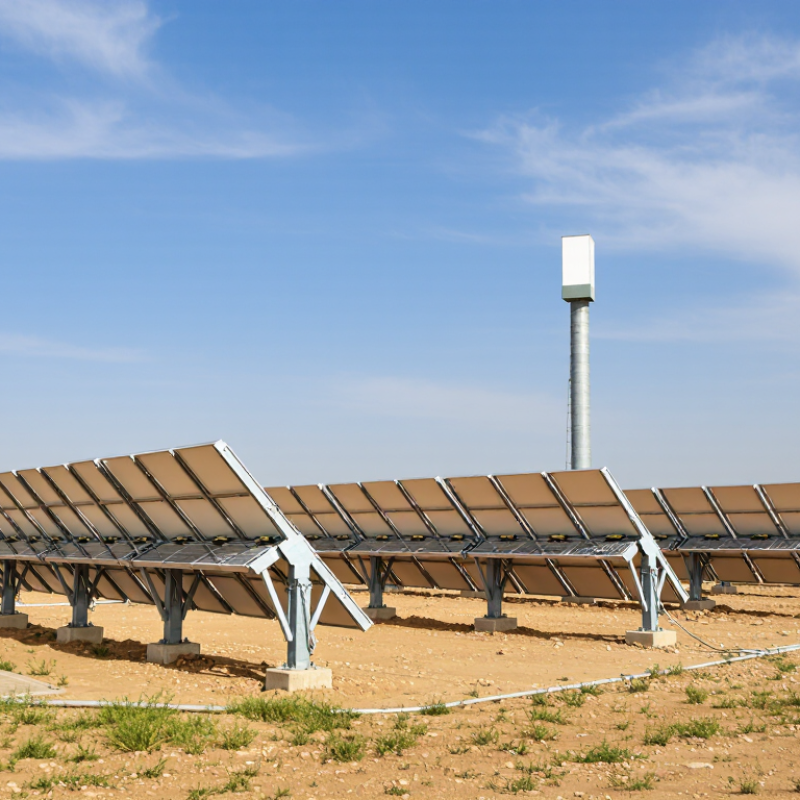
Concentrating photovoltaic (CPV) systems use lenses or mirrors to focus direct sunlight onto small, high-efficiency cells. Unlike conventional flat panels, many CPV designs rely on precise two-axis trackers. They perform best where skies are clear and direct sunlight is abundant; diffuse light on cloudy days contributes less. The World Bank and ESMAP’s Global Solar Atlas provides site-level direct normal irradiation (DNI) maps, a useful first screening tool. Check monthly values, not just annual averages. A sunny label can hide difficult seasons.
Cell efficiency is not system yield. NREL’s chart of best research-cell efficiencies reports results under specified laboratory conditions, including concentrated-light tests; those records do not predict a project’s annual energy output. Ask suppliers for independently verified module data, tracker tolerances, operating temperature limits, and modeled yield using local weather files. Include land grading, soiling, maintenance access, and downtime in the assessment. Small alignment errors matter. I would also stress-test the forecast with lower DNI and higher maintenance costs; estimates can look precise while depending on optimistic assumptions.
Tips: Obtain at least a year of site-specific DNI measurements where feasible, and compare them with long-term satellite data. Inspect tracker foundations and alignment plans. If clouds are frequent, reconsider CPV before committing. (Sources: World Bank/ESMAP, Global Solar Atlas; NREL, Best Research-Cell Efficiency Chart.)
| Project Factor | What to Check | Why It Matters for CPV | Practical Selection Guidance |
|---|---|---|---|
| Direct sunlight resource | Long-term direct normal irradiance (DNI) data, seasonal variation, and cloud frequency | CPV systems concentrate direct sunlight and generally make less use of diffuse light than conventional flat-plate PV. | Prioritize sites with consistently high DNI. Use a bankable, site-specific solar-resource assessment rather than annual sunshine hours alone. |
| Tracking requirements | Whether the system uses single-axis or dual-axis tracking, plus pointing accuracy and control strategy | Concentrating optics must remain accurately aligned with the sun; tracker performance affects energy yield and availability. | Confirm that the tracker is designed for the selected optical system and that the project can support calibration, controls, and maintenance. |
| Optical concentration and receiver design | Concentration approach, optical efficiency, receiver configuration, and operating temperature limits | CPV optics focus sunlight onto small, high-performance solar cells, so optical and thermal design are closely linked. | Compare independently verified performance data and operating limits. Check how the module manages heat under the expected site conditions. |
| Cell technology | Cell type, temperature behavior, reliability data, and availability of replacement components | Many high-concentration systems use multijunction cells, which can achieve high conversion efficiency under concentrated direct sunlight. | Review test reports, warranty terms, and long-term component supply. Do not compare cell efficiency alone with whole-system energy output. |
| Climate and environmental conditions | Wind loading, temperature range, dust, humidity, corrosion, and snow or hail exposure | Trackers, lenses, mirrors, and exposed electrical components must withstand local environmental stresses. | Check site-specific structural calculations, environmental qualification, cleaning needs, and protection ratings for relevant equipment. |
| Land and terrain | Topography, geotechnical conditions, row spacing, access roads, and tracker clearance | Tracking equipment and optical alignment can impose layout and grading requirements that differ from fixed-tilt PV. | Complete a topographic and geotechnical review early. Assess land use together with shading, maintenance access, and tracker movement. |
| System-level energy yield | Hourly production estimates, inverter losses, availability, soiling, shading, and curtailment assumptions | Module nameplate efficiency does not capture site-specific system performance or operational losses. | Compare annual and hourly simulations using consistent assumptions, and request sensitivity cases for weather, downtime, and degradation. |
| Operations and maintenance | Tracker servicing, optical cleaning, spare parts, monitoring, and required technician skills | Moving parts and optical surfaces can add maintenance tasks compared with simpler fixed-tilt systems. | Obtain a detailed maintenance plan, spare-parts strategy, response-time commitments, and realistic operating-cost estimates. |
| Grid and project economics | Interconnection limits, power-conversion equipment, project lifetime, financing assumptions, and levelized cost of energy | CPV suitability depends on total project value, not only conversion efficiency; grid constraints and capital costs affect returns. | Evaluate the complete system on a comparable energy and cost basis, including tracker, foundations, electrical balance of system, and maintenance. |
| Standards, warranties, and verification | Applicable IEC qualifications, independent test reports, product warranty, and performance guarantees | Consistent testing and clear contractual commitments help assess durability and reduce technology and project risk. | Verify that documentation applies to the offered configuration and climate. Review exclusions, degradation terms, and warranty claim procedures. |
CPV systems use lenses or mirrors to focus direct sunlight onto small, high-efficiency cells. They often require precise two-axis tracking.
CPV performs best in locations with strong, consistent direct sunlight. Cloudy skies reduce the direct light available. Cloudy days hurt.
Direct normal irradiation, or DNI, measures sunlight arriving directly from the sun. Review monthly DNI values, not only annual averages.
No. Cell efficiency comes from controlled testing, while project output depends on weather, tracking, temperature, dust, and downtime.
Request independently tested module data, tracker tolerances, temperature limits, warranty terms, and modeled output for local weather conditions.
CPV modules must follow the sun accurately. Tracker range, wind tolerance, foundation quality, and alignment can affect energy production.
Frequent clouds, dust, horizon shading, uneven land, and poor maintenance access can reduce actual output. A sunny reputation may hide difficult seasons.
Compare site measurements with long-term satellite data. Test lower DNI, higher maintenance costs, downtime, and possible alignment errors. Estimates can mislead.
Choosing the best CPV Solar Panel for a project starts with understanding how concentrated photovoltaic technology works and what it requires. CPV systems use optical components to focus sunlight onto high-efficiency cells, so they perform best where direct sunlight is abundant and consistent. Before selecting equipment, assess the site’s solar conditions, temperature patterns, available space, and suitability for precise panel alignment.
Compare candidate panels by reviewing efficiency, rated output, operating temperature range, tracking requirements, and compatibility with the rest of the system. Also consider installation complexity, routine maintenance, expected service life, and total project costs rather than focusing on purchase price alone. Finally, match the panel’s features to the project’s priorities, whether they are maximizing energy production, working within a limited site area, or balancing performance with budget. A careful evaluation of both site conditions and system requirements can help ensure the chosen solution is practical and well suited to its intended use.

 Manchen Transmission