What Is Ivanpah Solar Power Facility Closing?

Time:2026-10-09 Author:Amelia
0%

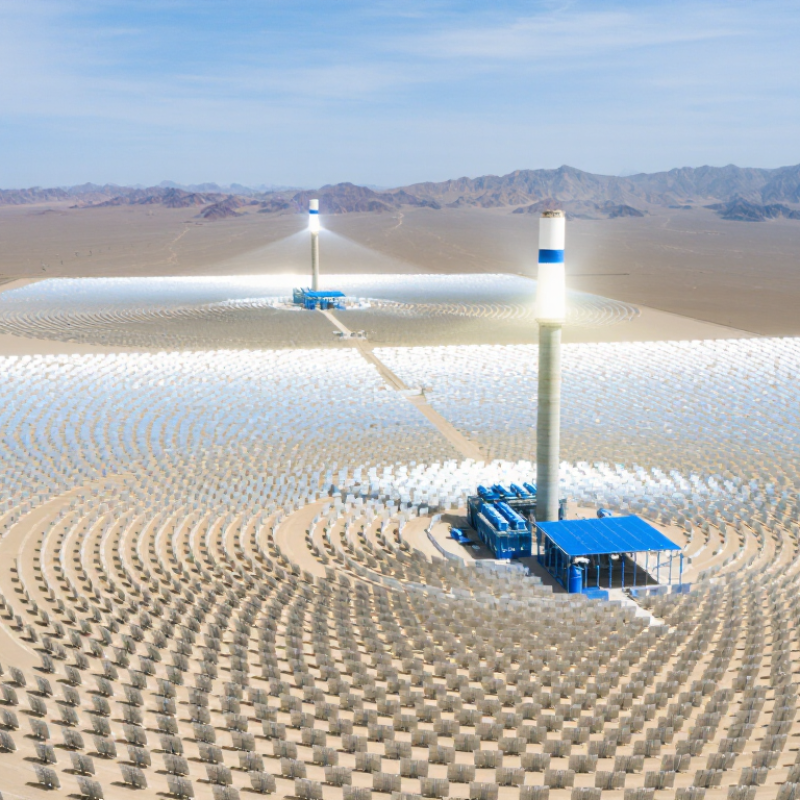
The Ivanpah Solar Power Facility Closing marks a major shift in California’s renewable energy story. Located near the Mojave Desert, Ivanpah began commercial operations in 2014. Its three towers used thousands of computer-controlled mirrors to focus sunlight and produce steam for electricity generation. The scene was striking: bright heliostat fields surrounded tall boilers, creating a landmark visible across the desert.

Yet impressive engineering did not guarantee long-term financial success. Reports indicate that Ivanpah’s power contracts became difficult to justify as cheaper photovoltaic solar and battery storage expanded. The facility’s planned closure has therefore raised questions about energy prices, contract design, environmental impacts, and the future of large-scale solar thermal technology. The exact timeline and operational details should be checked against statements from the owners, California regulators, and contracted utilities.

This is not simply a story about a plant shutting down. It is also a test of how renewable projects perform after the excitement of construction fades. Ivanpah produced low-carbon electricity, but it also faced criticism over costs, water use, and impacts on birds. Some claims remain oversimplified.

The lesson is complicated. Technology matters, but timing matters too. A project can be innovative and still become economically outdated. This introduction examines why the Ivanpah Solar Power Facility Closing is happening, what it means for workers and local communities, and whether its experience will influence future solar investments. The record deserves careful review, not easy praise or blame.
What Is Ivanpah Solar Power Facility Closing?

Ivanpah Solar Power Facility: Overview and Historical Development

Ivanpah Solar Power Facility is a large concentrated solar plant in California’s Mojave Desert. It began commercial operation in 2014 after several years of planning and construction. The project uses thousands of small mirrors, called heliostats, to reflect sunlight toward three tall towers. Heated fluid produces steam, which drives turbines and generates electricity.

Its development reflected strong interest in utility-scale renewable energy. The desert offered intense sunlight, open land, and access to transmission lines. However, the technology required precise mirror control and constant sunlight. Early operations revealed practical limits. Cloud cover could reduce output quickly, while maintenance demands remained high. The facility also used natural gas during start-up periods, which complicated public expectations about “solar” power.

The planned closure is mainly linked to financial performance and changing energy prices. Electricity from newer photovoltaic projects and battery systems has become cheaper in many situations. Existing contracts may no longer justify the facility’s operating costs. Some units are expected to retire before the entire site closes. That timeline can change.

The project remains historically important. It showed that tower-based solar power could operate at a major scale. It also exposed weaknesses in cost forecasting and environmental planning. I think its record is mixed, not simply successful or failed. Future desert projects may need lower costs, stronger storage, and more careful protection of wildlife.

What Is Ivanpah Solar Power Facility Closing? - Ivanpah Solar Power Facility: Overview and Historical Development

Data Dimension Verified Information Historical or Closing Relevance
Facility type Utility-scale concentrating solar-thermal electric facility It generates electricity by concentrating sunlight to produce heat and steam rather than using photovoltaic panels.
Location Mojave Desert, San Bernardino County, California, United States The high solar-resource environment supported the facility’s original development.
Commercial operation The three generating units entered commercial service in 2014. The facility became one of the largest operating solar-thermal projects in the world at that time.
Generating units Three solar-tower generating units The units use separate tower-and-receiver systems but operate as one complex.
Rated capacity Approximately 392 megawatts of gross generating capacity This capacity describes the maximum combined output of the three units under suitable operating conditions.
Solar-collection equipment Approximately 173,500 computer-controlled heliostats The heliostats reflect sunlight toward receivers located at the tops of the solar towers.
Land footprint Approximately 3,500 acres of federal desert land The large footprint reflects the spacing required for thousands of heliostats and associated infrastructure.
Tower height The solar towers rise approximately 459 feet above the desert floor. The elevated receivers collect concentrated solar energy from the surrounding heliostat fields.
Electricity-generation process Concentrated sunlight heats a receiver fluid, which produces steam to drive turbine generators. The design was intended to provide large-scale renewable electricity without relying on conventional fuel as the primary energy source.
Supplemental fuel use Limited natural gas was used for startup, maintenance, and operational support. Solar energy remained the principal design basis, but auxiliary fuel supported reliable plant operation.
Original development objective Demonstrate and commercialize large-scale solar-thermal power generation in a high-sunlight region. The facility was developed during a period of strong policy and investment support for utility-scale renewable energy.
Reported closure status A planned retirement and shutdown of the facility has been reported, with the transition expected during 2026. “Closing” refers to a planned end of commercial operations rather than the facility having been permanently dismantled immediately.
Primary economic pressure The project faces changing electricity-market conditions, contract changes, and competition from lower-cost renewable generation and storage. Technological importance does not necessarily guarantee long-term commercial competitiveness.
Power-contract impact Changes to long-term electricity-purchase arrangements reduced the economic basis for continued operation of some generating units. The closure decision is closely connected to the value and duration of the facility’s power-sale contracts.
Expected environmental process Closure would require decommissioning, site restoration, equipment removal, and compliance with applicable land-management requirements. The end of electricity production is separate from the longer process of dismantling and restoring the site.
Overall significance The facility is a major early example of commercial solar-tower technology in the United States. Its planned retirement illustrates both the achievements and the economic challenges of first-generation utility-scale solar-thermal projects.
Note: Closure timing, contract arrangements, and decommissioning activities may change as regulatory, legal, and operational processes progress. Figures are rounded where appropriate and reflect publicly reported facility specifications.

How the Ivanpah Solar Thermal System Operates

What Is Ivanpah Solar Power Facility Closing?
How the Ivanpah Solar Thermal System Operates

The Ivanpah solar facility uses thousands of mirrors across a desert basin. Each mirror tracks the sun and reflects light toward a tall central receiver. The receiver sits above a tower, glowing under concentrated sunlight. Water flows through the receiver and becomes high-pressure steam. That steam spins turbines, producing electricity for the regional grid.

The process resembles a thermal power station, but sunlight supplies the heat. Computer controls adjust mirror angles throughout the day. Operators also monitor wind, temperature, receiver conditions, and steam pressure. When sunlight weakens, auxiliary heating can help maintain stable operations. This support improves reliability, although it also complicates the claim of purely solar generation.

The facility’s possible closure reflects more than one problem. Its construction and maintenance costs are high. Electricity prices also changed after the plant began operating. Output can fall when clouds, equipment faults, or extreme heat interfere. Concentrated sunlight may affect flying birds near the receiver, creating another operational concern. These details make the project neither a simple failure nor an unquestioned success.

From an engineering viewpoint, the system demonstrates that large-scale solar heat can drive conventional turbines. From a financial viewpoint, the result is less comfortable. A technically impressive facility can still struggle in a changing energy market. That gap deserves honest review. The mirrors work. The economics remain uncertain.

Why the Facility Is Closing

What Is Ivanpah Solar Power Facility Closing?

The Ivanpah Solar Power Facility is closing because its electricity became less competitive than newer solar technologies. The complex uses thousands of mirrors to focus sunlight onto tall towers. Heated fluid creates steam, which drives turbines to produce power. This design is impressive, but it is costly to operate and maintain.

Why the Facility Is Closing

The facility has also produced less electricity than originally expected. Cloud cover, equipment problems, and difficult desert conditions have affected performance. Meanwhile, photovoltaic panels and battery systems have become cheaper and more flexible. Energy buyers can often secure reliable power without maintaining large fields of mirrors and towers. Existing electricity contracts are ending or being renegotiated, making continued operation harder to justify. The planned shutdown shows that technical ambition does not always guarantee long-term commercial success. That is uncomfortable, but important.

Tips: When evaluating a solar project, compare its construction cost, actual output, maintenance needs, and contract terms. Do not judge success by capacity alone. Look at yearly performance. The facility’s closure does not mean solar power has failed. It suggests that some designs may need improvement, especially when cheaper alternatives develop quickly. Some environmental concerns also deserve attention, including land use and effects on wildlife. The lessons are useful, though the project’s outcome is not perfectly simple.

Environmental, Economic, and Operational Impacts of the Closure

What Is Ivanpah Solar Power Facility Closing? Environmental, Economic, and Operational Impacts of the Closure

The 392-megawatt Ivanpah solar power facility is closing after operating costs exceeded its commercial value. According to U.S. Energy Information Administration data, its three-tower system produced about 419,000 megawatt-hours in 2014. Later output became less competitive as photovoltaic power expanded. The National Renewable Energy Laboratory reports that utility-scale photovoltaic projects now achieve lower costs and simpler operations. Ivanpah also required natural gas for startup and backup heat. That weakened its clean-energy advantage.

Environmental effects are mixed. Closing the facility may reduce concentrated heat risks for birds flying through receiver fields. Federal wildlife monitoring documented thousands of avian deaths linked to intense solar flux. However, the site occupies roughly 3,500 acres of desert habitat. Decommissioning could disturb soil, roads, and fragile biological crusts. Water use should also decline, although dry-cooling reduced consumption compared with conventional steam systems. The environmental accounting is not perfect.

Tips: Operators should publish verified wildlife, water, and land-restoration data. Local planners should compare replacement power by full life-cycle emissions, reliability, and land intensity. Workers may need retraining before closure begins. A 2024 California grid report showed frequent midday price suppression during strong solar production. That pressure can reduce revenue, even when electricity demand remains high. This case suggests that technology performance alone cannot guarantee long-term economic resilience.

What Is Ivanpah Solar Power Facility Closing?

The planned 2026 closure would retire approximately 392 MW of solar-thermal generating capacity. The facility began operating in 2014, includes three power towers, and occupies about 3,500 acres in California’s Mojave Desert. The shutdown may reduce local renewable generation and affect operations-related employment, while decommissioning could change land use and wildlife-management requirements.

Data shown: publicly reported facility capacity and planned closure year.

What the Closure Means for Future Solar Energy Projects

The Ivanpah Solar Power Facility is closing earlier than expected, raising difficult questions about large solar projects. Its tower-based system uses mirrors to focus sunlight onto central receivers. That design looked promising in the dry California desert, but operating costs and lower-than-expected energy production weakened its financial case. Some power contracts will end early, allowing the facility to retire before its original schedule.

The closure does not mean solar power has failed. It shows that future projects must match technology with local conditions. Developers may favor photovoltaic panels, battery storage, and stronger grid connections. These systems can be simpler to operate and easier to expand. Still, panels need land, transmission lines, and careful recycling plans. Batteries also require minerals, maintenance, and replacement funding. No solution is perfect. That is the uncomfortable lesson.

Tips: Compare lifetime costs, not construction prices alone. Check measured performance in similar climates. Ask how the project will store power after sunset. Review water use, wildlife effects, and equipment disposal plans. Communities should receive clear data before approving major facilities. Investors should also test assumptions against heat, dust, storms, and changing electricity demand. A project may look impressive from a distance, yet perform poorly under daily operating pressure. Future solar planning needs less spectacle and more evidence.

FAQS

How does the solar thermal facility generate electricity?

Thousands of mirrors track sunlight across a desert basin. They reflect light onto a tall central receiver, heating water into high-pressure steam. The steam spins turbines connected to the regional grid.

Why are the mirrors important?

Each mirror redirects sunlight toward the receiver. Computer controls adjust mirror angles throughout the day. Small alignment errors can reduce collected heat.

What happens when sunlight becomes weak?

Clouds, dust, or evening conditions reduce heat production. Auxiliary heating may support stable operations. That makes the system more reliable, but less purely solar.

Why is the facility closing?

Its electricity became less competitive than newer solar technologies. Operating and maintenance costs remained high. Existing electricity contracts are also ending or changing.

Did the facility produce as much electricity as expected?

Not always. Clouds, equipment faults, and extreme desert heat reduced output. Capacity alone did not show its real yearly performance.

How do newer solar projects differ?

Photovoltaic panels and batteries can be simpler and more flexible. They may expand in smaller stages. Still, they require land, transmission lines, minerals, and recycling plans.

Did the closure mean solar energy failed?

No. It shows that one complex design struggled commercially. Solar power remains useful, but technology must match local conditions and electricity demand.

What environmental concerns should future projects examine?

Developers should review land use, water needs, wildlife effects, and equipment disposal. Concentrated sunlight can affect birds near the receiver. These impacts deserve measured evidence, not assumptions.

What should investors examine before approving a solar project?

Compare lifetime costs, measured output, maintenance needs, storage plans, and contract terms. Test assumptions against heat, dust, storms, and changing demand. Impressive towers are not enough.

Conclusion

The Ivanpah Solar Power Facility Closing marks the end of an important chapter in the development of large-scale solar thermal energy. Built in a desert environment, the facility used fields of mirrors to concentrate sunlight onto central receivers, producing heat that generated steam and electricity. Its development demonstrated how solar power could operate at utility scale while also revealing the technical and environmental challenges of managing such a complex system.

The closure is associated with rising operating demands, inconsistent energy performance, maintenance difficulties, and changing economic conditions in the power market. It may reduce local employment and affect regional energy planning, while also creating opportunities to study land restoration and wildlife protection. At the same time, the project’s history can guide future solar developments. New facilities may place greater emphasis on lower costs, improved reliability, flexible energy storage, reduced ecological disruption, and technologies that can adapt more effectively to changing electricity needs.


Amelia

Amelia

Amelia is a seasoned marketing professional with a wealth of expertise in our company’s core offerings. With an unwavering passion for driving growth and innovation, she plays a pivotal role in shaping our marketing strategies and enhancing brand visibility. A key aspect of her responsibilities......