 Manchen Transmission
Unlocking Efficiency: The Technical Intersection of Concentrated PV (CPV) Panels and High-Precision Rotary Transmission
In the global race toward zero-emission energy grids, Concentrated Photovoltaic (CPV) technology stands out as the ultimate option for high-irradiance regions. Unlike standard flat-plate silicon PV systems, CPV systems utilize optical components like lenses and curved mirrors to bundle sunlight onto highly efficient, multi-junction solar cells. Because these cells are highly sensitive to solar angle alignment, their efficiency depends entirely on tracking precision. In this context, China Concentrated PV Panels Manufacturers & Factories are not just suppliers of photovoltaic cells; they are innovators in the field of dual-axis mechanical tracking solutions.
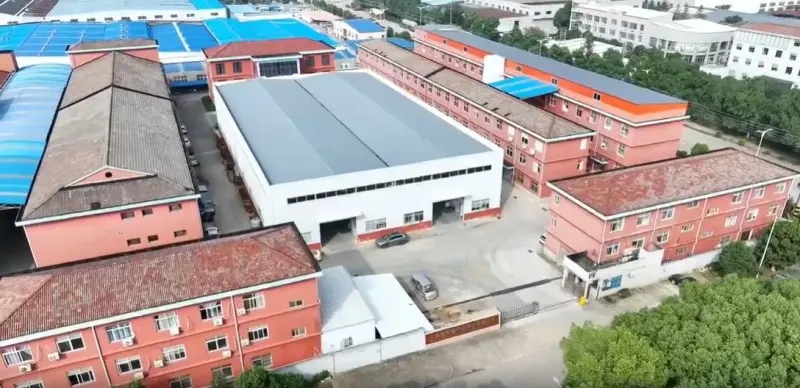
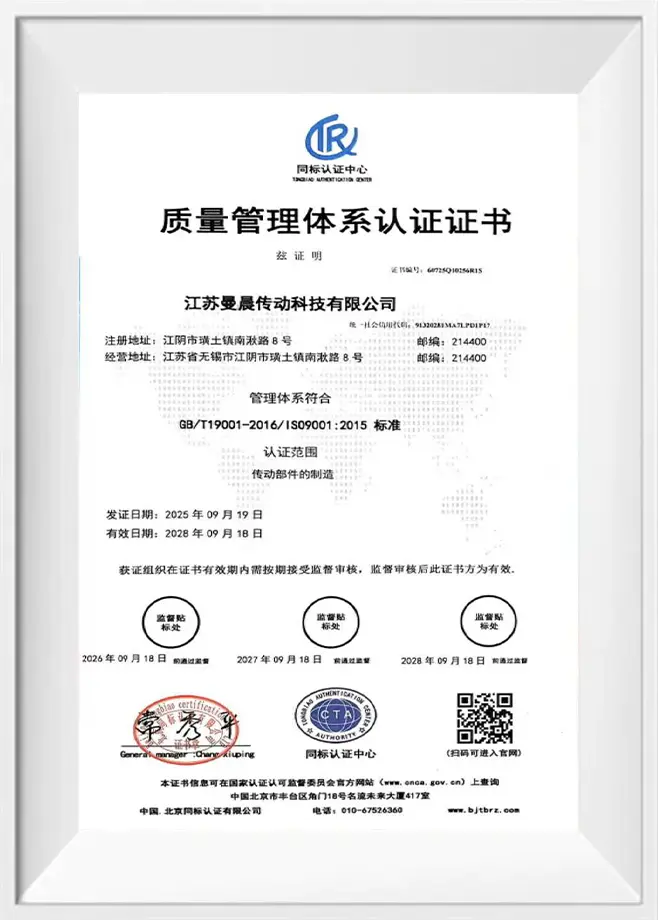
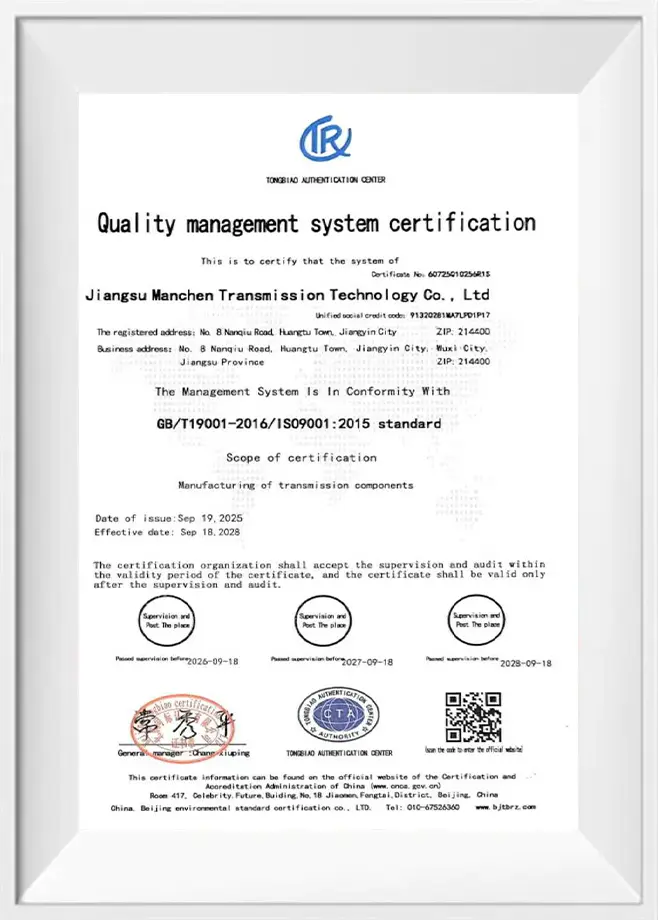
Jiangsu Manchen Transmission Technology Co., Ltd. is a key player in this transition. By specializing in high-load-bearing, high-precision slewing bearings and gearless rotational solutions, we ensure that CPV systems remain aligned with the sun throughout the day. This whitepaper analyzes the mechanical challenges, technological integrations, and optimization guidelines that enable procurement departments to maximize their return on investment (ROI) in solar infrastructure.
The Mechanical Dynamics of CPV Tracking Systems
For Concentrated PV panels, solar tracking is a strict operational requirement. Standard PV panels can absorb diffuse sunlight, but CPV panels only accept Direct Normal Irradiance (DNI). If a CPV tracker drifts by even 0.5 degrees from the sun's central vector, output can drop by more than 80%. Consequently, the slewing bearing and drive systems must provide consistent, smooth rotational tracking with minimal backlash (often within a few arc-minutes).
Moreover, CPV installations are typically located in arid, high-wind environments (such as deserts in the Southwestern United States, North Africa, Northern China, and the Middle East). These locations expose tracking equipment to high wind loads, sudden gusts, fine abrasive dust, and extreme temperature variations. A reliable China Concentrated PV tracking components factory must design slewing bearings capable of handling high overturning moments and radial loads, while keeping seal integrity intact to prevent ingress of fine sand particles.
Global Procurement Demands & Key Design Parameters
When engineering and procurement heads select structural and rotational systems for utility-scale solar projects, they prioritize durability, total cost of ownership (TCO), and precise execution. Below are the key engineering specifications evaluated during the bidding process:
Sealing & Ingress Protection
Dual-lip polyurethane or synthetic rubber seals (IP66/IP67 rated) prevent dust and moisture from entering the rolling element track, preventing abrasive wear.
Overturning Moment Capacity
Due to the large surface area of CPV tracker frames, slewing bearings must withstand significant tilting forces without raceway deformation or bolt shearing.
Metallurgical Quality
Using certified structural steel (such as 50Mn or 42CrMo) with induction-hardened raceways ensures long-term fatigue resistance and a 25-year service life.
Macro-Level Engineering and System Integration
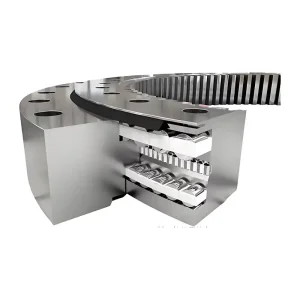
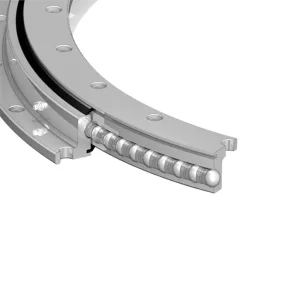
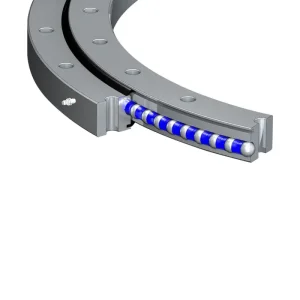
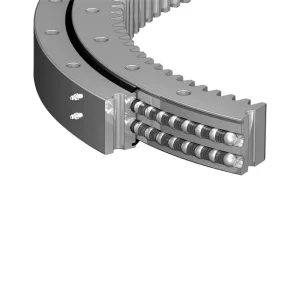
From an installation perspective, CPV developers are shifting from small, decentralized tracking assemblies to large, centralized tracking platforms. This trend requires larger-diameter slewing bearings with internal or external gearing to simplify mechanical layouts. By integrating the gearing directly into either the inner or outer ring of the slewing bearing, developers can eliminate external drive gears, reduce assembly weight, and minimize structural failure points.
In addition, modern smart grids use real-time astronomical algorithms combined with closed-loop optical sensors to update tracker positions. The mechanical hardware must execute these micro-adjustments without stick-slip anomalies. High-quality single-row ball and cross-roller slewing bearings from Jiangsu Manchen Transmission provide the low-friction rotational accuracy needed to prevent positioning errors and ensure steady power generation.
Technology Roadmap and R&D Commitments
To support next-generation CPV projects, our research and development focuses on the following technical goals:
- Integrated Smart Monitoring: Embedding sensors directly within the slewing bearing housing to monitor real-time temperature, rotational vibration, and load profiles, enabling predictive maintenance.
- Advanced Surface Treatments: Utilizing zinc-nickel alloy plating and high-durability epoxy coatings to achieve over 1,000 hours of salt spray resistance (matching ISO 12944 C5-M standards for marine and high-salinity locations).
- Zero-Backlash Gear Designs: Developing high-precision enveloping worm drives and custom-ground internal gear configurations to minimize backlash and resist wind-induced oscillation.