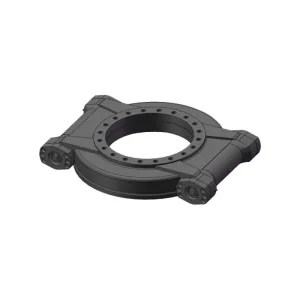
Discover our industrial-grade slewing bearings and horizontal rotary drives customized for precision solar tracking mechanics, high moment loads, and reliable long-life operation.
Unlike standard flat-panel photovoltaic (PV) modules that capture scattered ambient sunlight, Concentrated Photovoltaic (CPV) systems focus Direct Normal Irradiation (DNI) onto small, highly efficient multi-junction solar cells using optical components like Fresnel lenses or parabolic mirrors. Because the light must align perfectly with the focus point of the optics, CPV tracking demands an unprecedented level of precision—typically with an allowable tracking error margin of less than ±0.1° to ±0.5°. Any mechanical deviation, gear play, or wind-induced deflection directly results in dramatic output drops.
To achieve such accuracy, dual-axis solar trackers rely on heavy-duty slewing bearings and enclosed horizontal rotary drive units that function as the tracker's structural and mechanical joint. The slewing bearing must support the massive dead-load of the tracker structure while constantly resisting wind loads (dynamic tipping moments) without losing angular precision. A high-quality ODM CPV solar tracking system factory provides customized slewing bearings designed specifically to control backlash, minimize friction, and maximize rigidity under intense rotational loads.
Choosing the correct gear configuration is vital for the thermal performance and longevity of CPV solar tracker systems. Internal gear swivel bearings keep the drive pinion shielded within the bearing housing, providing superior protection from particulate wear in high-dust regions like deserts. Conversely, external gear swivel bearings simplify maintenance access and permit higher transmission ratios directly on the outer diameter. Gearless configurations are ideally suited for hydraulic linkages or direct-drive motor systems, providing flexibility depending on the mechanical layout preferred by the procurement engineer.

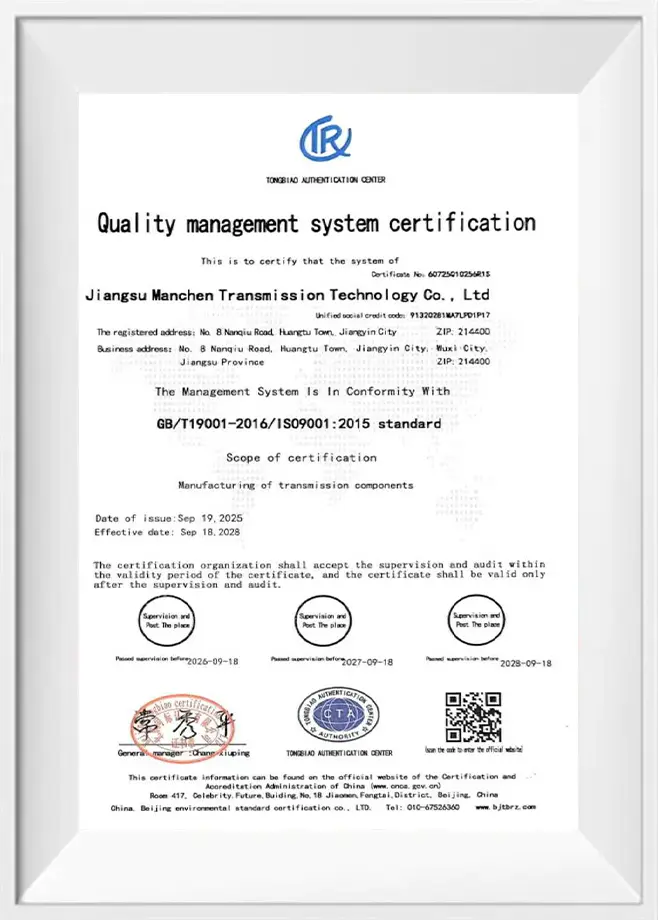
Jiangsu Manchen Transmission Technology Co., Ltd. was established in 2022. It is a professional manufacturing enterprise integrating design, research and development, manufacturing and sales. The company is located in Huangtu Town, Jiangyin City, Jiangsu Province, with very convenient transportation. The company has mature technical conditions and advanced equipment.
Relying on exquisite forging, heat treatment and precision processing techniques, we can provide high-load-bearing, high-strength and long-life transmission solutions for construction machinery, medical equipment, intelligent warehousing, photovoltaic industry, port machinery, industrial robots, environmental protection equipment and other fields. The company is equipped with advanced testing equipment and a complete quality control system. The products have a complete traceability from raw material selection to final product delivery, meeting domestic and international industry standards.
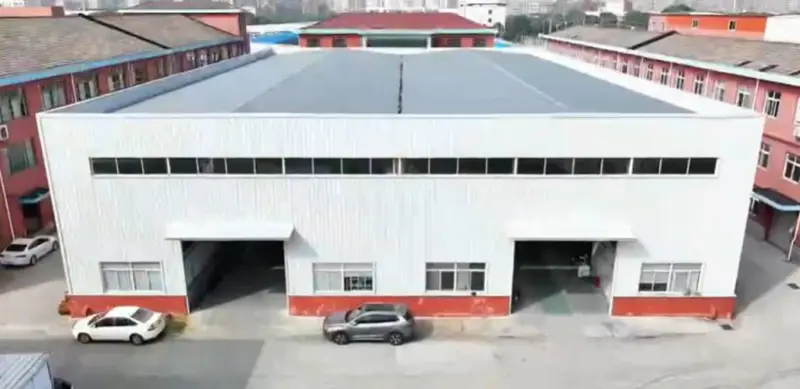
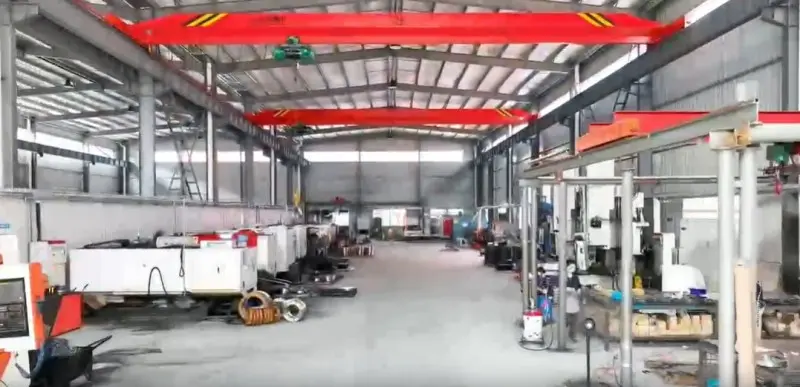
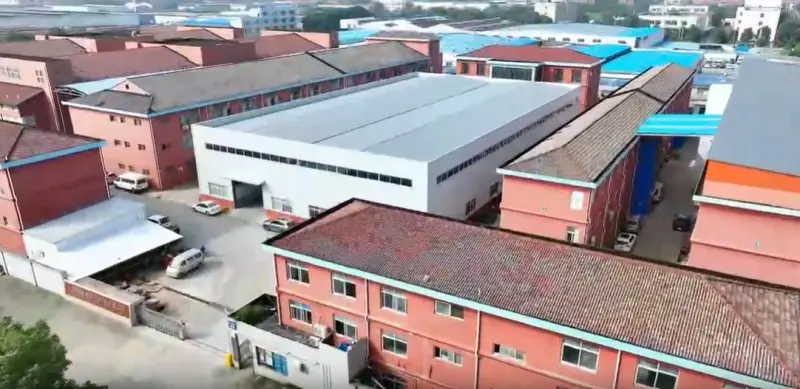
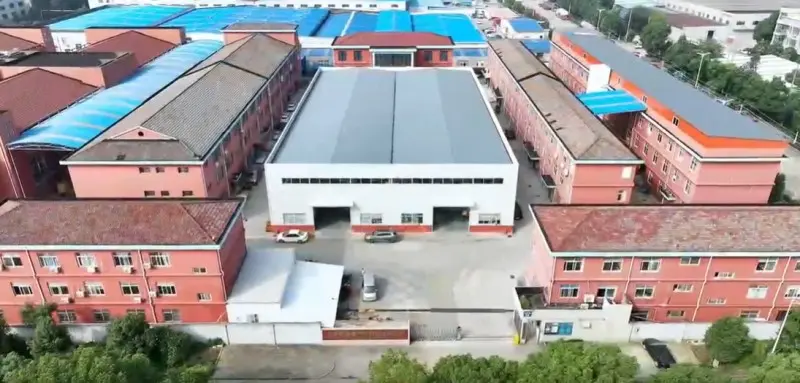
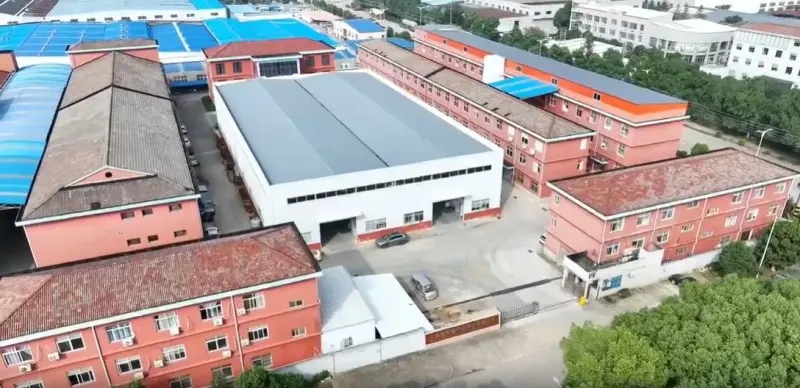
A traceably managed, step-by-step production cycle that translates raw structural steel into high-precision slewing systems certified to international metrics.










Purchasing directly from specialized manufacturers in China, such as Jiangsu Manchen Transmission Technology Co., Ltd., offers clear structural and economic benefits for global utility-scale solar EPCs. The Yangtze River Delta region is home to the world’s most advanced and highly concentrated heavy industrial machinery supply chain. This ecosystem guarantees direct access to premium forged ring components, sophisticated heat treatment plants, and specialized finishing equipment, lowering lead times and stabilizing material costs.
Our raw forgings are selected from verified structural steel suppliers (primarily 50Mn or 42CrMo alloys). Steel selection is matched with precise heat treatment regimens: quench-and-temper (Q+T) processes ensure core toughness, while specialized medium-frequency induction hardening of the raceway yields a surface hardness of 55–62 HRC. This high surface hardness prevents premature surface fatigue (spalling) under the repetitive micro-rotations typical of active CPV tracker operations.
Our seamless ring rolling processes guarantee optimized metal grain alignment. Aligning the structural grain along the raceway circumference significantly enhances fatigue limits and resistance to micro-cracking under heavy wind loads.
Our computer-controlled induction hardening systems control the depth of the hardened layer (typically 3mm to 5mm) and manage the soft transition zone, avoiding structural stress boundaries where fractures could occur.
State-of-the-art CNC grinding machines control raceway curvature, roundness deviations, and axial/radial runout within microns. This limits internal play and ensures smooth, low-backlash operation.
CPV trackers are commonly installed in regions characterized by high Direct Normal Irradiation (DNI), such as desert plains, dry highlands, and coastal waste grounds. While optimal for solar energy collection, these locations present severe challenges for mechanical systems. Dust, sandstorms, wide temperature fluctuations, and corrosive environments can compromise standard machinery within seasons.
Jiangsu Manchen Transmission Technology Co., Ltd. addresses these operational challenges by implementing customized sealant materials, optimized lubricant formulations, and robust external surface coatings:
| Bearing Design Type | Moment Load Capacity | Backlash Performance | Primary CPV Application |
|---|---|---|---|
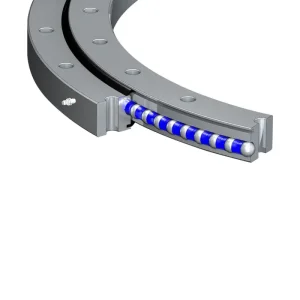
| Single-Row Ball (Internal/External Gear) | Moderate to High | Standard (< 0.15°) | Standard single-axis and medium dual-axis solar trackers |
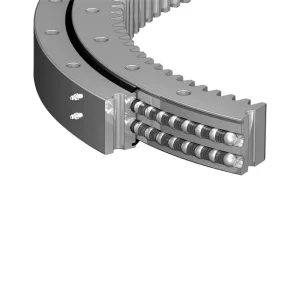
| Double-Row Ball (Equal Diameter) | Very High | Low (< 0.08°) | Large aperture CPV trackers with high wind load requirements |
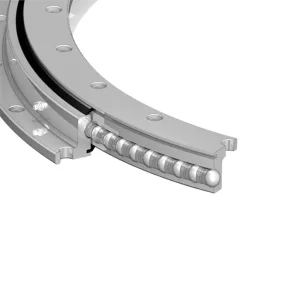
| Single-Row Cross-Roller | High Structural Rigidity | Ultra-Low (< 0.03°) | High-magnification CPV trackers requiring micro-radian accuracy |
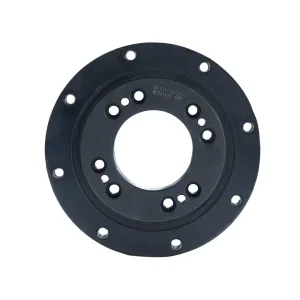
| Horizontal Enclosed Rotary Drives | Optimized Enclosed | Enclosed Precision | Turnkey installations in highly dusty or sandy desert environments |
We adhere to the business philosophy of "quality first, mutual cooperation and win-win", providing high-quality services and reliable products to both new and existing customers.
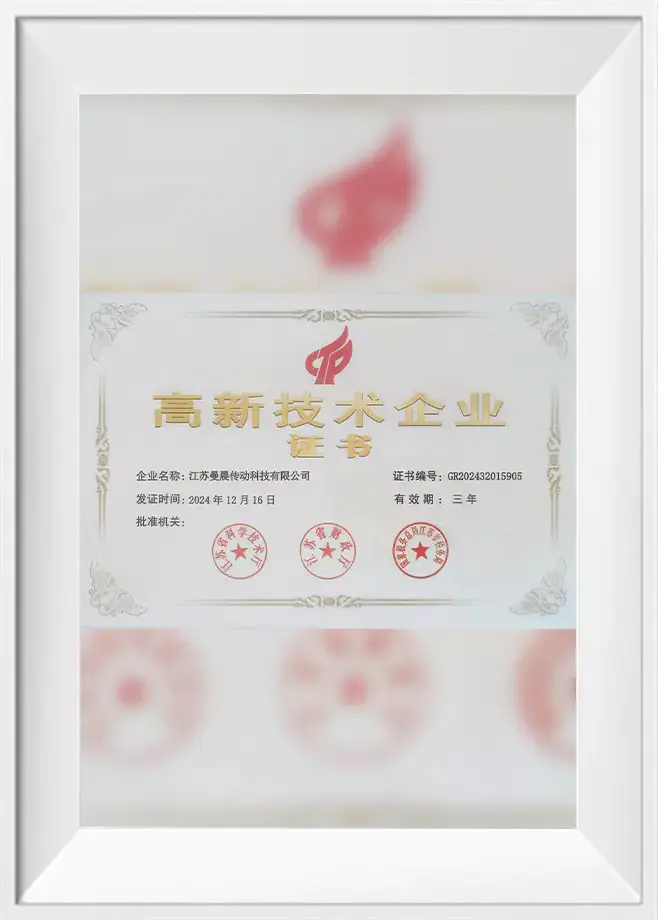
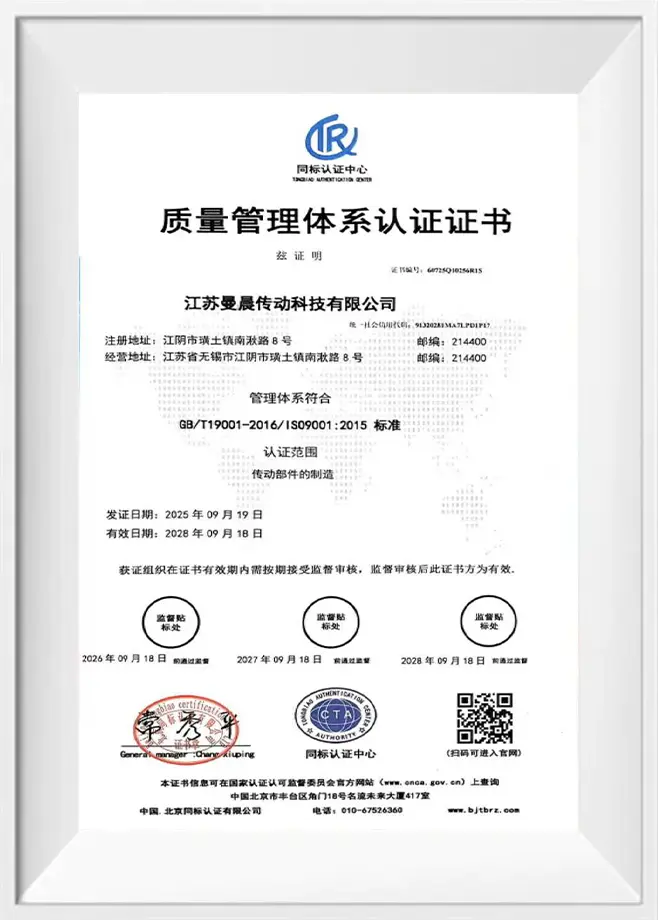
In addition, we have established long-term cooperative relationships with many well-known domestic enterprises. With stable quality and complete after-sales services, we have won wide recognition in the market. In the future, the company will continue to focus on technological upgrading in the transmission field, and strive to provide global customers with higher-quality and more cost-effective rotary transmission products and services.
Our design capability extends to custom engineering. Whether you are standardizing on a single-point horizontal slewing drive or integrating dual-axis azimuth-elevation slewing units, our engineering division supports partners through direct CAD-file integration, finite element analysis (FEA) testing, and customized mounting hole patterns.
Read detailed engineering answers addressing common questions about tracker backlash, wind stow stability, and factory customization capabilities.
Our factory primarily uses 50Mn and 42CrMo structural steel forgings. 50Mn is a carbon steel grade that offers an excellent balance of surface hardness and toughness, suitable for typical light-to-medium load trackers. For high-wind zones, extreme desert areas, or larger tracker surfaces, 42CrMo (chromium-molybdenum alloy steel) is specified due to its higher yield strength, exceptional fatigue resistance, and toughness when quenched and tempered.
CPV optical concentrators require tracking precision down to fractions of a degree. We control this by using precise gear shaping and grinding processes to minimize pitch deviations. We can deliver specialized low-backlash designs (< 0.05° or < 3 arc-minutes) by tightly controlling tolerances during ball matching, raceway profiling, and gear tooth finishing, ensuring consistent target focus on multi-junction solar cells.
Each production batch undergoes testing, starting with raw material chemical composition analysis using spectrometer testing. After forging and machining, we perform ultrasonic testing to check for internal flaws, magnetic particle inspection for surface micro-cracks, raceway hardness depth measurements, and final coordinate measuring machine (CMM) dimensional checks to guarantee conformity to drawing tolerances before packing.
Yes. Our engineering division provides complete OEM and ODM services. We customize the mounting hole patterns (through-holes, tapped holes, pitch circle diameters), internal/external gear tooth profiles (module and tooth count), surface coatings, and sealing systems to match the customer's structural frame and electrical motor input specifications.
When wind speeds exceed operational limits, trackers tilt to a horizontal or low-angle "stow position," creating massive overturning moments on the central bearing. Our double-row equal-diameter ball bearings and cross-roller designs are engineered to distribute these forces across multiple load lines. This prevents high contact stresses on individual rolling elements and avoids permanent deformation of the raceway.
Additional structural transmission and enclosed drive designs developed for international solar developers, heavy-duty machinery, and automated industrial positioners.
 Manchen Transmission