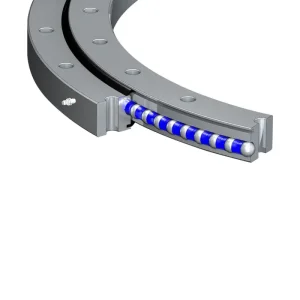
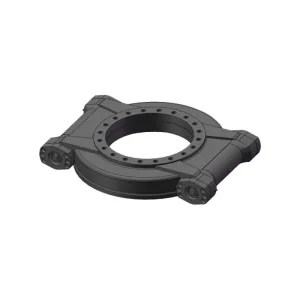
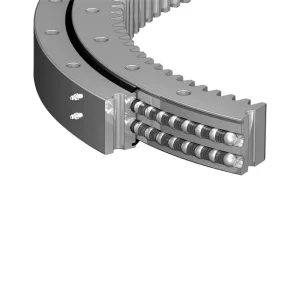
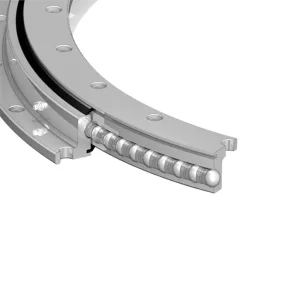
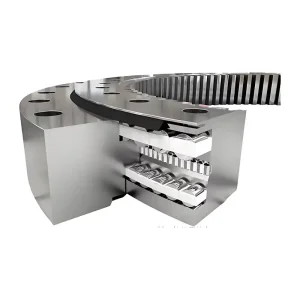
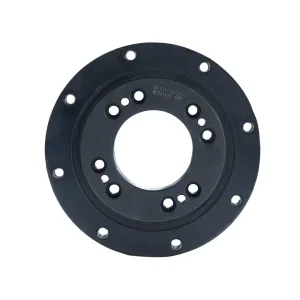
High-load, precision-controlled rotary tracking components manufactured to withstand extreme desert wind gusts and thermal expansion.
Concentrating Solar Power (CSP) systems represent the frontier of grid-scale renewable energy storage and generation. Unlike standard Photovoltaic (PV) modules, CSP facilities utilize mirror fields (heliostats or parabolic troughs) to concentrate solar rays onto a centralized receiver. This thermal concentration demands continuous, high-precision astronomical solar tracking. In typical CSP plants, tracking deviations of even 0.1 degrees can result in substantial energy spillage and drop-offs in overall cycle efficiency.
To preserve alignment, the mechanical transmission elements—specifically the slewing bearings and horizontal rotary drive units—must exhibit exceptional rigidity, minimal backlash, and huge overturning moment resistance. Operating in challenging climates ranging from high-altitude deserts to coastal salt flats, these mechanisms are subject to severe sand abrasion, wide temperature swings, and extreme high-wind gusts.
CSP configurations utilize distinct tracking modes, each placing specific structural and rotational demands on transmission components.
Tower systems utilize thousands of individual dual-axis tracking mirrors (heliostats) that concentrate solar radiation onto a central tower receiver. This configuration requires a dual-axis azimuth/elevation tracker driven by robust, zero-backlash slewing gears. The drives must maintain tracking resolution even when subjected to changing wind conditions.
Parabolic troughs trace the sun across a single axis (typically North-South) to focus solar thermal radiation onto a heat absorber tube. The sheer physical length of these trough systems generates huge torsional loading. Our external-gear horizontal rotary drive units deliver the torque profile needed to rotate these long structures smoothly.
LFR facilities employ rows of flat, narrow mirror segments tracking on a single axis to concentrate rays on an elevated receiver tube. LFR tracking demands cost-effective, high-reliability gear configurations with a thin cross-section, which is achieved by deploying compact L-type single-row ball slewing bearings.
Selecting the appropriate bearing or drive arrangement depends directly on system geometry, load capacity, and environment. Use this reference table when selecting components for solar fields:
| Component Type | Ideal Application | Load Capacity Profile | Backlash Range | Key Advantage |
|---|---|---|---|---|
| External Gear Swivel Bearing | Medium/Light Heliostats & LFR | Moderate Radial & High Axial | 0.08° to 0.15° | Direct motor pinion integration, cost-effective |
| Internal Gear Double-Row Ball | Heavy-Duty Tower Heliostats | High Overturning Moment | < 0.05° (Precision class) | Protected gears from wind-blown sand |
| Horizontal Rotary Drive Unit | Parabolic Troughs / Multi-axis Trackers | Extreme Torsional Torque | Enclosed self-locking (< 0.02°) | Integrated IP66 enclosure, easy installation |
| Three-Row Roller Slewing Bearing | Mega-scale Central Solar Towers | Extreme Axial & Radial | Highly rigid, ultra-low deflection | Maximized load distribution in high wind regions |
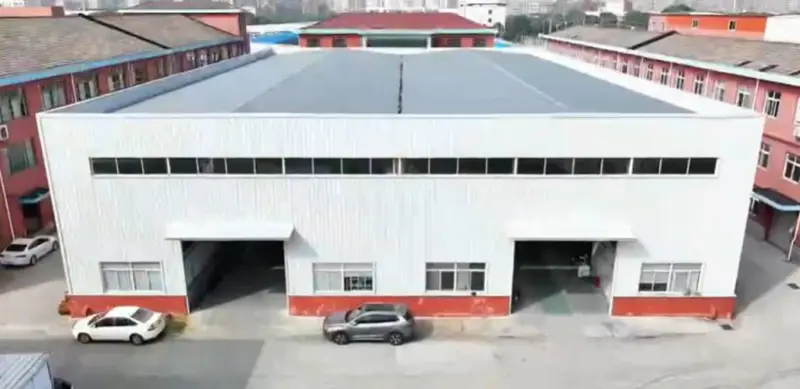
Established in 2022 and situated in Huangtu Town, Jiangyin City, Jiangsu Province, we are a professional manufacturing enterprise integrating design, research and development, manufacturing, and sales.
Benefiting from highly accessible transportation infrastructure, our state-of-the-art facility utilizes sophisticated forging, heat treatment, and precision-grinding techniques to engineer advanced transmission solutions.
We design and produce high-load, high-strength, and long-life slewing components for construction machinery, medical equipment, intelligent warehousing, the photovoltaic/photothermal industry, port machinery, industrial robotics, and environmental protection systems.
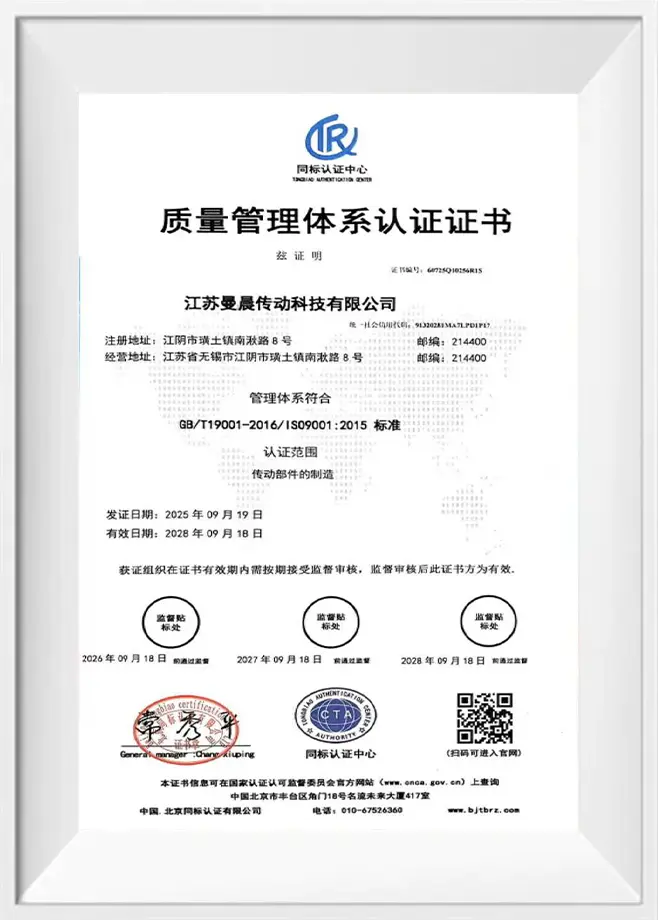
Our operations are backed by advanced metallurgical testing equipment and a robust, end-to-end quality control system. This ensures comprehensive raw-material-to-shipment traceability, meeting domestic and international performance standards.

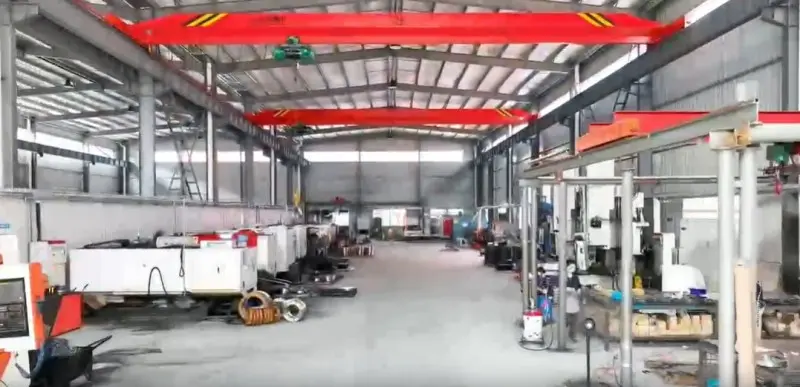
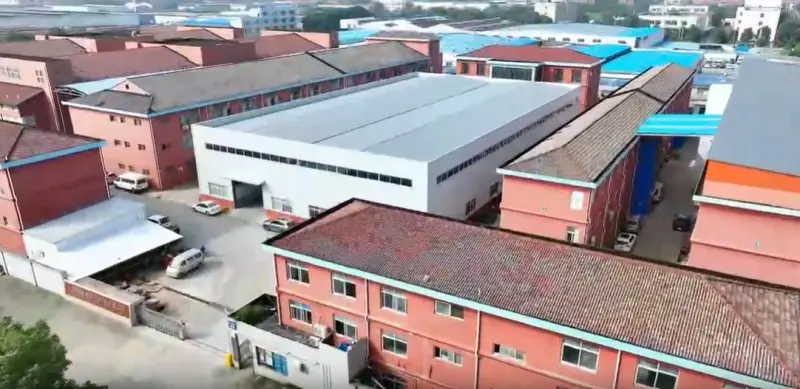
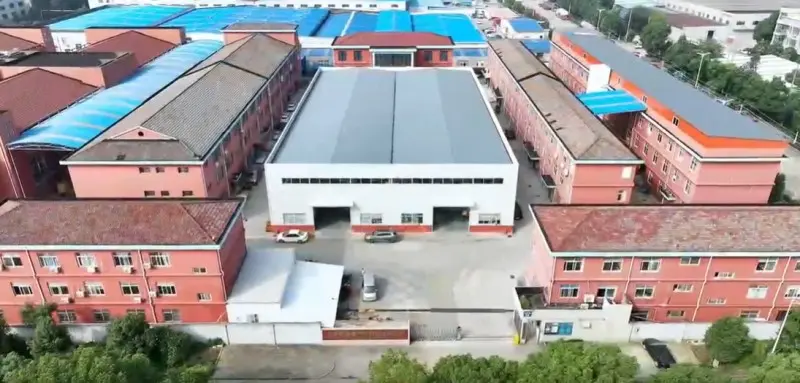
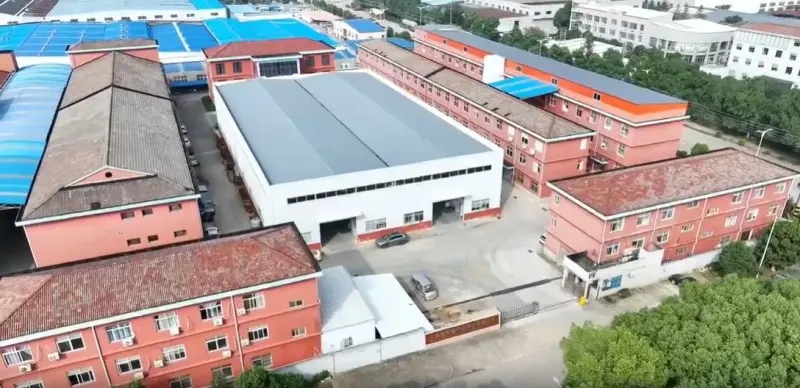
Every component we fabricate follows a strict, step-by-step processing workflow to ensure maximum load capacity, structural integrity, and durability.











Large-scale CSP developments are rarely identical. Variants in mirror dimensions, geographical wind zones, and local solar-tracking algorithms require tailored mechanical configurations. We support partners from engineering consultation through to volume production.
Whether your project requires high overturning resistance, a custom gear module, or specialized sealing configurations (such as double-lip NBR seals to withstand fine sand), our engineers can develop customized solutions to match your requirements.
We manage every contract with a focus on compliance, quality verification, and reliable delivery, helping to ensure your solar field operates efficiently for decades.
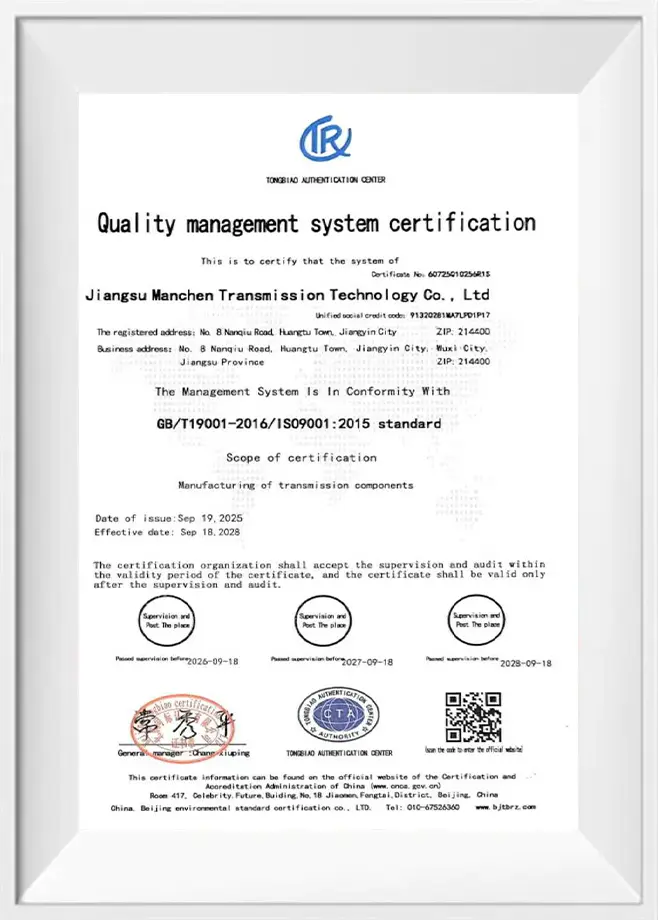
Our facility maintains a rigorous quality management system to support raw material traceability and design consistency.
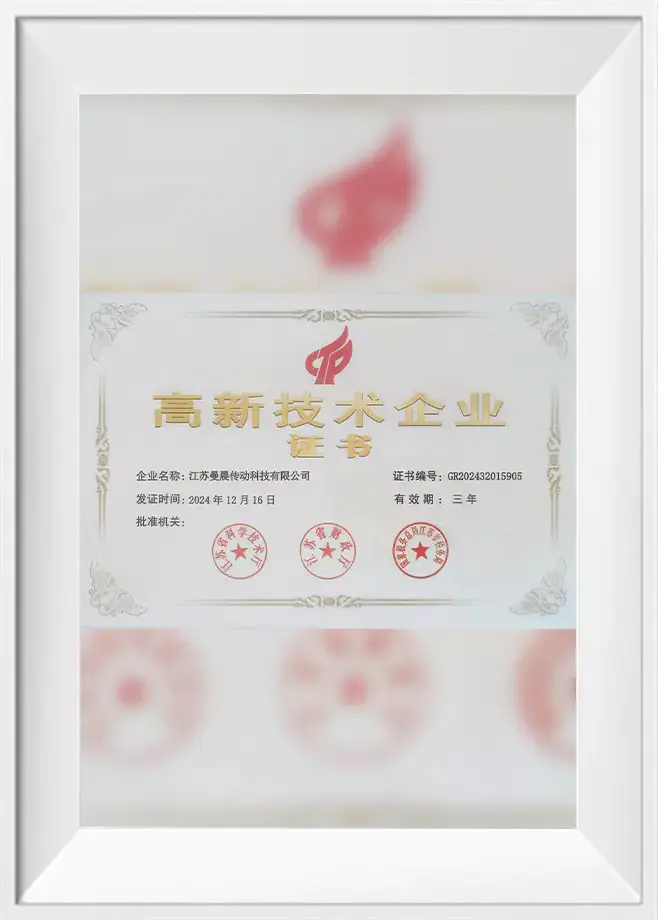
As energy developers shift toward high-temperature molten salt designs and larger aperture collectors, CSP solar fields are scaling up. Manchen Transmission is tracking these industry developments with targeted engineering milestones:
We are developing multi-contact, self-lubricating rotary seals that prevent sand and dust entry without increasing rotational drag torque.
Developing built-in sensor options for our slewing drives that report real-time wear, backlash, and load spikes directly to control systems.
Applying advanced tooth geometry profiles to improve contact ratios under high structural deflection, reducing local stresses.
Find quick answers to common engineering questions regarding the application, operation, and specification of CSP slewing gear systems:
For dual-axis heliostats used in central tower plants, tracking accuracy is essential. Backlash should ideally be kept below 0.05 degrees (3 arc-minutes) to prevent focal point drift at the receiver tower, which may be located up to 1,000 meters away. Parabolic trough configurations can typically tolerate slightly higher backlash limits, ranging from 0.1 to 0.15 degrees.
Our CSP-configured slewing drives and bearing assemblies employ specialized polyurethane or synthetic rubber lip-seals that keep dust and sand out of the ball paths. In highly abrasive desert environments, we recommend fully enclosed horizontal rotary drive units, which protect the gear tooth interface from environmental debris.
We use high-grade structural forgings (such as 50Mn or 42CrMo) that undergo precise induction hardening on the ball raceways. Raceways are typically hardened to 55–62 HRC, which minimizes wear under continuous rotation. All non-working external surfaces are treated with hot-dip galvanizing or epoxy coatings to meet ISO C4 or C5 corrosion resistance ratings.
Because of their large surface areas, parabolic troughs and heliostats act as sails. Even moderate wind speeds create substantial wind shear and tipping forces, generating high overturning moments at the tracker base. If the slewing bearing cannot withstand these forces, the gearing can misalign, resulting in uneven wear, tooth binding, or mechanical failure.
Yes, our design department can customize internal or external gear geometries, change the module, vary tooth counts, and optimize gear ratios (ranging from 30:1 to 150:1). We also offer customized input interfaces to match your selected DC, stepper, or servo motors.
Every production batch undergoes raw material spectroscopic analysis, ultrasonic flaw detection to identify internal voids, surface crack check checks, hardness profiling, torque verification, and backlash checks. We generate and deliver comprehensive traceability records with each shipment.
We work with international freight forwarders to manage containerized sea shipping, rail transport options, and customs documentation. All components are packed in heavy-duty wooden crates with rust-preventative coatings and vacuum-packed vapor barriers to ensure they arrive undamaged.
Enclosed drives typically require relubrication every 12 to 24 months, depending on operating speeds and environmental conditions. Our designs feature accessible grease nipples so maintenance crews can relubricate the units without disassembly.
L-type swivel bearings utilize a specialized L-shaped inner ring design. This arrangement provides high moment carrying capability in a compact frame size, reducing structural weight and costs. Standard single-row configurations offer simple structures and are suited for general solar mounting configurations.
Because our facility handles all processing steps internally—from raw material preparation and forging through to induction heat treatment, grinding, and final inspection—we maintain direct control over our production schedule and quality. This vertical integration helps us minimize lead times relative to subcontractors.
Advanced transmission systems and slewing rings engineered for heavy industrial applications and custom global procurement needs.
Get in touch with our design engineers for detailed drawings, customized gear profiles, and pricing quotes tailored to your solar field tracking project requirements.
 Manchen Transmission