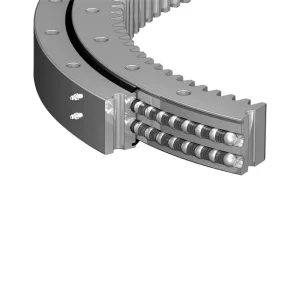
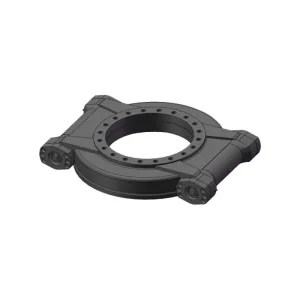
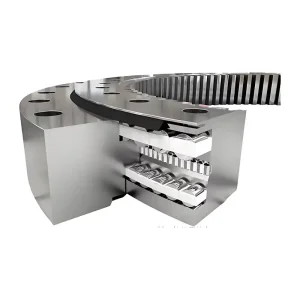
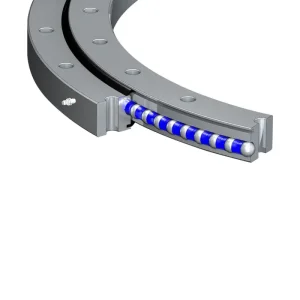
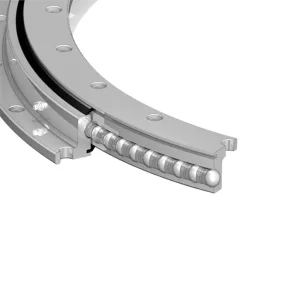
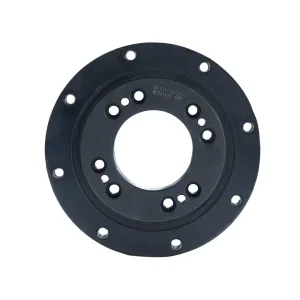
Explore our industrial-grade, custom-machined slewing bearings and gearless horizontal rotary drives engineered for high-concentration solar tracking environments.
Why High Concentration Photovoltaic (HCPV) systems rely on absolute precision tracking mechanisms and robust mechanical stability.
High Concentration Photovoltaic (HCPV) technology stands at the pinnacle of solar energy innovation, leveraging state-of-the-art optical systems to concentrate sunlight by hundreds of times onto highly efficient multi-junction solar cells. Unlike standard flat-plate photovoltaic arrays, HCPV configurations utilize high-magnification Fresnel lenses or parabolic mirrors. Due to their narrow acceptance angles, these systems must maintain continuous, ultra-precise alignment with the sun's direct rays.
This dynamic alignment is achieved using specialized dual-axis solar trackers, where the mechanical heart of the machine lies in the heavy-duty slewing drives, horizontal rotary drives, and internal or external gear swivel bearings. Without a highly accurate and rigid transmission system, structural deviations of even a fraction of a degree can lead to severe energy output degradation. Consequently, choosing a premier manufacturer capable of delivering high-load capacity and low-backlash rotary transmissions is essential for long-term project viability.

Established in 2022 in Huangtu Town, Jiangyin City, Jiangsu Province, Jiangsu Manchen Transmission Technology Co., Ltd. is a high-tech engineering and manufacturing enterprise specializing in the design, research, development, and production of heavy-duty slewing bearings and high-precision rotary drives.
Equipped with advanced mechanical processing equipment, we deliver high-load-bearing, high-strength, and long-life transmission solutions. Our products are widely used in construction machinery, medical equipment, intelligent warehousing, the photovoltaic industry (especially utility-scale HCPV tracking systems), port machinery, industrial robotics, and environmental protection equipment.
By enforcing a rigorous quality control system and using complete traceability from raw material selection to final delivery, we ensure our mechanical transmission systems meet international standards. We are committed to technological innovation, ensuring that partners receive reliable products suited for harsh environmental operations.
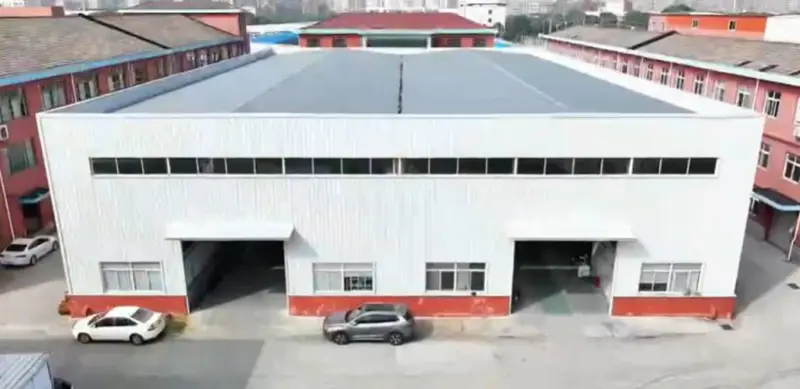
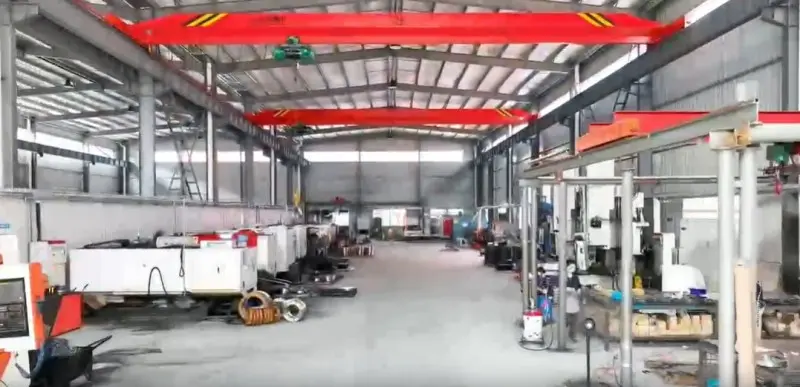
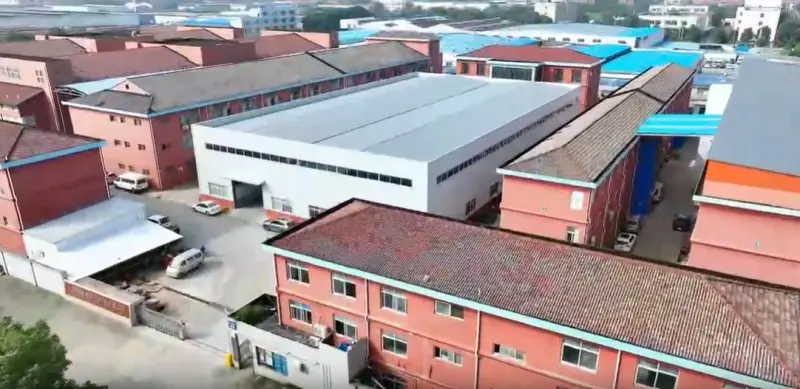
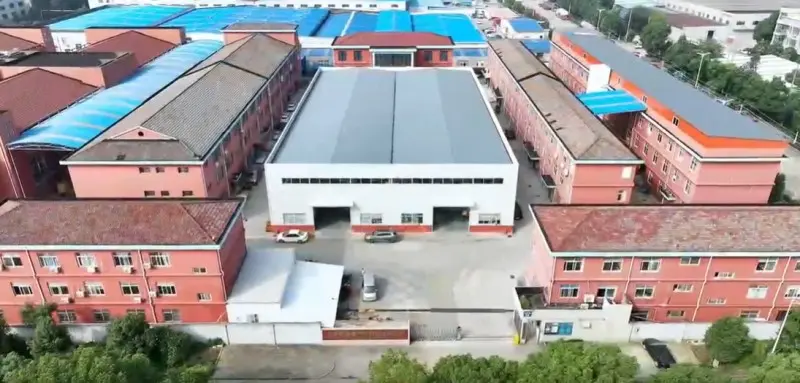
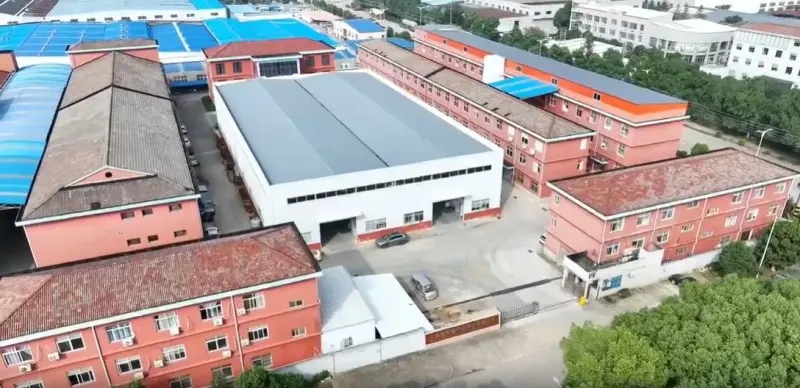
An in-depth look at manufacturing localization, material optimization, and structural reliability.
Procuring mechanical components for utility-scale solar projects requires a combination of structural integrity, engineering flexibility, and cost efficiency. China's manufacturing ecosystem, represented by Jiangsu Manchen Transmission Technology, offers significant advantages that help projects maintain their competitive edge:
High-reliability slewing rings require premium raw materials. Our products utilize high-strength steel alloys, such as 50Mn and 42CrMo, which undergo precise heat treatment processes. This metallurgical control ensures high core toughness to withstand sudden wind gusts, alongside excellent surface hardness (55-62 HRC) on the raceways to minimize wear over decades of operation.
Our production line is fully integrated, covering raw material procurement, forging, machining, heat treatment, tooth cutting, grinding, assembly, testing, and packaging. This vertical integration allows for comprehensive quality management and traceability. Every single bearing features unique serial codes matching raw material certificates, heat treatment charts, and dimensions.
Located in Huangtu Town, Jiangyin City, Jiangsu Province, our facility benefits from proximity to steel mills and container ports. This geographic position enables rapid shipping, lower logistics costs, and shorter lead times. Additionally, our specialized engineering team can design custom internal-gear, external-gear, and gearless configurations to match the specifications of major global tracking brands.
A structured breakdown of our manufacturing process, ensuring reliability and precision for demanding heavy-duty solar tracking applications.










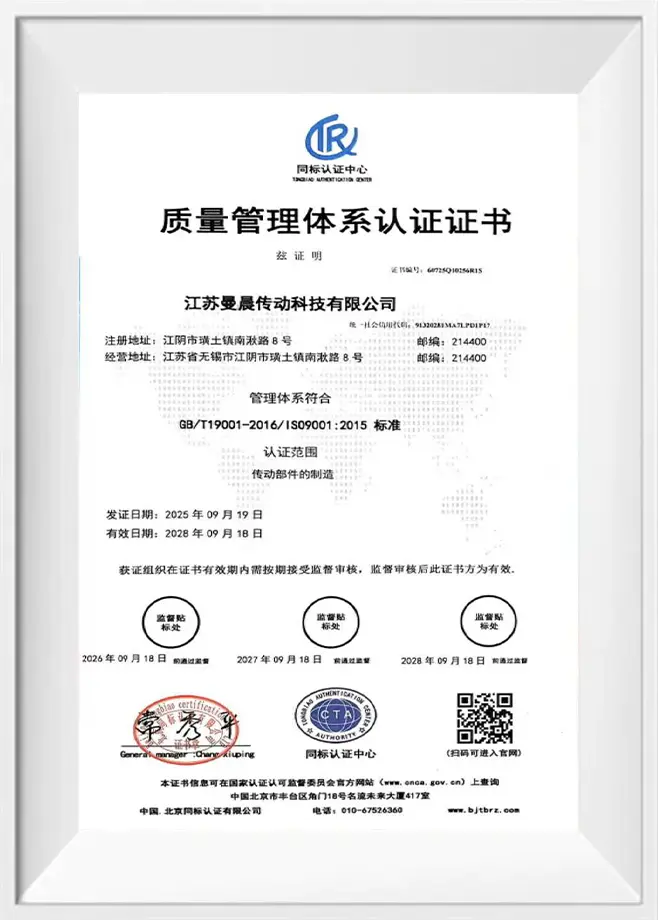
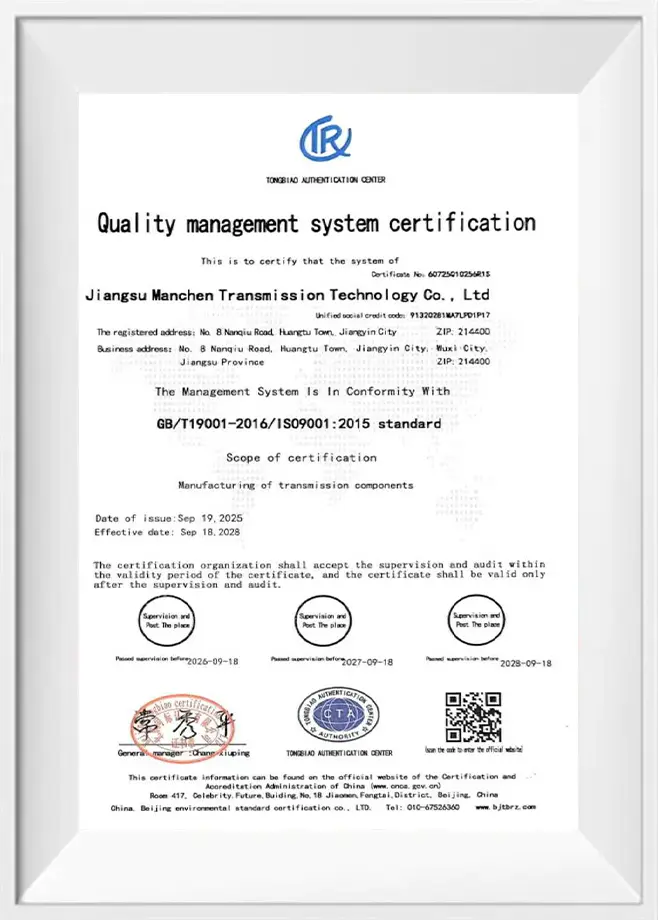
Deploying energy infrastructure requires compliance with international engineering standards. We provide complete testing documentation, structural certifications, and material reports to simplify international validation processes.
Through our dedicated OEM & ODM services, we provide tailored transmission designs based on client technical drawings. Our team assists with load calculation modeling, finite element analysis (FEA), and mounting interface adjustments. This technical support ensures smooth installation, high compatibility, and reliable long-term performance.
We work to build lasting industry relationships, focusing on high product quality, contract compliance, and reliable after-sales support to protect our customers' investments and help maintain healthy plant operations.
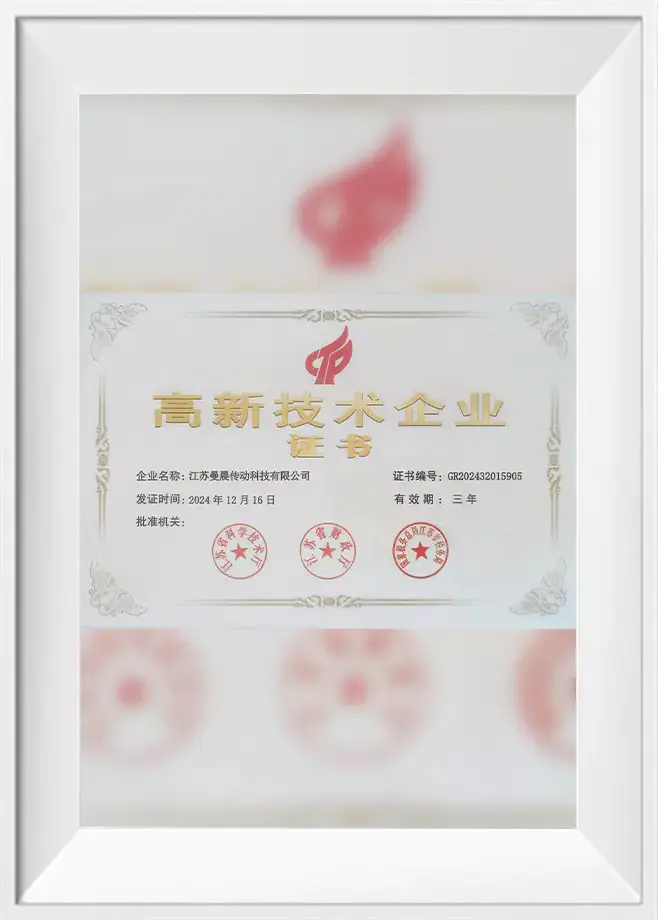
How specialized slewing bearings and drives are designed to perform reliably in demanding, high-exposure outdoor locations.
High Concentration Photovoltaic (HCPV) arrays are typically installed in areas with high Direct Normal Irradiation (DNI). These locations, such as arid deserts, high-altitude steppes, and flat drylands, often expose components to challenging environmental conditions:
Desert environments expose equipment to fine sand particles that can bypass standard seals, leading to abrasive wear on the gear raceways. To prevent this, we utilize double-lip polyurethane or synthetic rubber seals combined with specialized grease. This configuration keeps contaminants out of the internal mechanism, protecting the ball paths and gears from wear.
Arid regions often experience large temperature swings between day and night, sometimes exceeding 40°C. These changes can cause thermal expansion and contraction in structural steel. Our manufacturing process controls clearances and backlash tolerances to prevent binding at high temperatures or excessive play in sub-zero conditions, ensuring smooth operation throughout the daily cycle.
Due to their large surface areas, concentrated solar trackers act like sails in high winds. These wind forces generate significant tilting moments and radial loads on the rotation mechanism. Our double-row equal-diameter four-point contact ball swivel bearings and cylindrical roller slewing bearings are designed to handle these multi-directional forces, maintaining structural stability and tracking alignment even during sudden wind storms.
Answers to common technical and logistical questions about slewing drives and bearings for concentrated solar tracking systems.
HCPV systems focus light using optical lenses, requiring a high tracking accuracy of ±0.1° or better. High backlash in the slewing drive can cause the tracker to drift out of alignment under wind loads, resulting in significant power loss. Our low-backlash slewing drives are designed to minimize this play, ensuring precise solar tracking throughout the day.
50Mn is a carbon steel that offers good wear resistance and surface hardness, making it a reliable and cost-effective choice for standard tracking applications. 42CrMo is a chromium-molybdenum alloy steel that provides higher fatigue strength, toughness, and impact resistance. We recommend 42CrMo for projects in high-wind regions or seismic zones due to its superior mechanical properties under load.
For coastal or high-salinity environments, we apply protective surface treatments including zinc spraying, polyurethane topcoats, or specialized powder coatings. These treatments conform to C4 or C5-M ISO corrosion resistance standards, protecting the steel substrate from moisture and salt spray to prevent premature rust and degradation.
Geared slewing bearings feature integrated teeth on either the inner or outer ring, allowing a drive pinion to rotate the bearing directly. Non-toothed (gearless) bearings act purely as structural support units, requiring an external drive mechanism—such as a hydraulic cylinder or a separate worm drive unit—to initiate rotation. Gearless configurations are often preferred in systems where the drive component is housed independently for easier maintenance access.
In dry, high-dust environments, we recommend inspecting seal integrity and verifying grease levels every 12 to 24 months. Regularly replacing the grease helps purge any fine particulates that may have bypassed the seals, ensuring smooth rotation and extending the overall operating life of the bearing.
Explore our second selection of high-durability internal gear slewing supports and custom double-row ball swivel bearings.
Jiangsu Manchen Transmission Technology is committed to continuous technological upgrades. We work to provide global clients with reliable, cost-effective rotary transmission products and engineering services to support utility-scale solar projects.
 Manchen Transmission