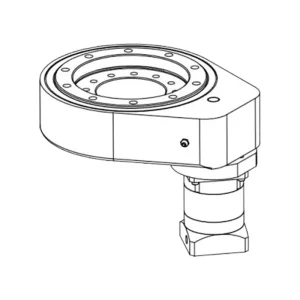
Engineered for High Dynamic Load Capacity and High Precision Tracking Systems
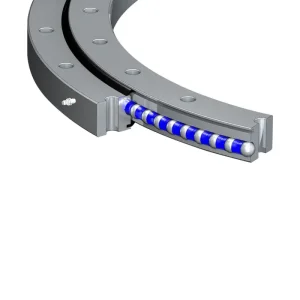
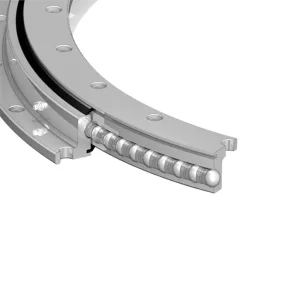
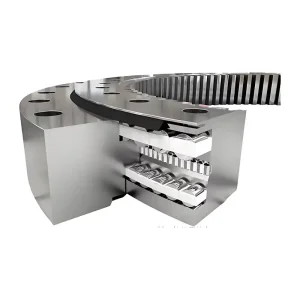
Analyzing Structural Performance, Dynamic Load Endurance, and Global Procurement Trends
Focused Solar Energy technology—encompassing Concentrated Solar Power (CSP) and Concentrated Photovoltaics (CPV)—represents the frontier of utility-scale renewable energy infrastructure. Unlike traditional flat-plate photovoltaic panels, focused solar architectures rely on high-precision optical components, such as parabolic troughs, heliostats, or Fresnel reflectors, to concentrate solar radiation onto receivers. The optical efficiency of these systems is heavily dependent on tracking accuracy. A misalignment of even a fraction of a degree can lead to severe energy collection degradation, known as optical spillage.
At the heart of every tracking heliostat and parabolic trough is the precision drive system. Slewing bearings and rotary drives form the structural and mechanical linkage between the stationary foundation and the dynamic solar collector. These bearings must withstand complex external load vectors, including massive axial forces from structural weight, radial forces from mechanical configurations, and severe overturning moments induced by high-velocity wind loads. As clean energy demands expand globally, manufacturers must deliver highly engineered, zero-backlash slewing solutions that ensure precise azimuth and elevation control over operational lifetimes exceeding 25 years.
“Solar tracking accuracy is directly correlated with slewing bearing stability. In high-wind locations, bearing deflection must be kept within sub-milliradian tolerances to avoid loss of thermal concentration.”
Modern global procurement is no longer driven solely by unit cost; engineering directors and supply chain managers are prioritizing long-term reliability and total cost of ownership (TCO). In markets like North America, Europe, and Australia, solar tracking system developers demand components that minimize maintenance overhead. Because solar parks are typically located in arid, high-solar-irradiance zones, parts face intense temperature fluctuations, fine particulate dust ingress, and high UV exposure.
Strategic sourcing managers seek "bankability" in their suppliers. This requires manufacturers to provide certified material compliance, verified structural calculation models (using Finite Element Analysis - FEA), and high-performance sealing systems. Double-lip synthetic rubber seals, specialized grease formulations, and robust anti-corrosion coatings (such as zinc-nickel plating or hot-dip galvanization) are essential to prevent premature wear and lubricant contamination.
The integration of Factory 4.0 manufacturing processes represents a major technological leap for precision mechanical transmission components. Through automation, advanced machining centers, and digitized quality control frameworks, Chinese manufacturing operations have transitioned from low-cost labor hubs into advanced centers of metallurgical precision. Factory 4.0 ensures that dimensional tolerances are held within micron ranges and raw material properties remain consistent.
Supply chain resilience is bolstered by localized ecosystems that integrate raw material sourcing, heavy-duty forging, heat treatment, precision grinding, and assembly within a compact geographical radius. This integrated approach shields production timelines from external global logistics shocks while driving down energy and overhead costs. Real-time computerized tracking of components guarantees that from the ladle of molten steel to the shipped container, every slewing bearing is documented with its corresponding metallurgical test certificate (EN 10204 3.1) and heat treatment logs.

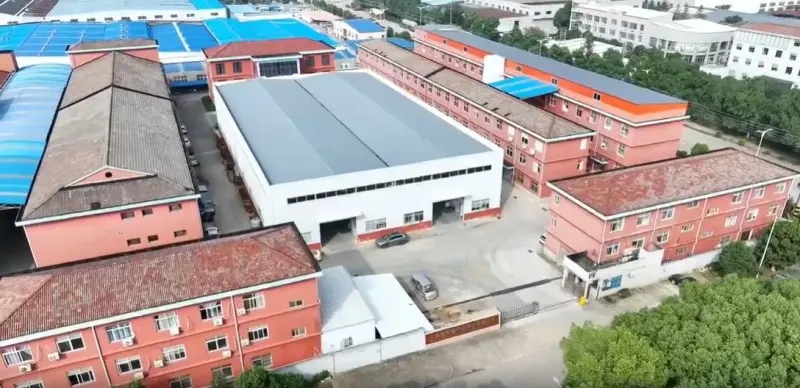
Established in 2022, Jiangsu Manchen Transmission Technology Co., Ltd. is a professional manufacturing enterprise integrating design, research and development, manufacturing and sales. The company is located in Huangtu Town, Jiangyin City, Jiangsu Province, with very convenient transportation.
The company has mature technical conditions and advanced equipment. Relying on exquisite forging, heat treatment and precision processing techniques, we can provide high-load-bearing, high-strength and long-life transmission solutions for construction machinery, medical equipment, intelligent warehousing, photovoltaic industry, port machinery, industrial robots, environmental protection equipment and other fields.
We are equipped with advanced testing equipment and a complete quality control system. Our products have a complete traceability from raw material selection to final product delivery, meeting domestic and international industry standards. The company always adheres to the business philosophy of "quality first, mutual cooperation", providing high-quality services and reliable products to new and old customers.
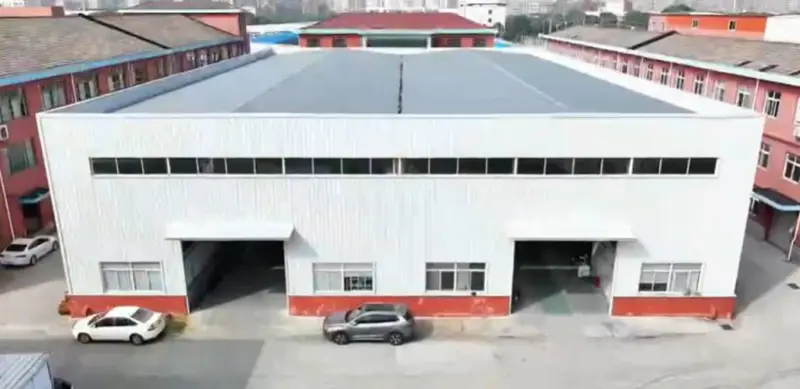
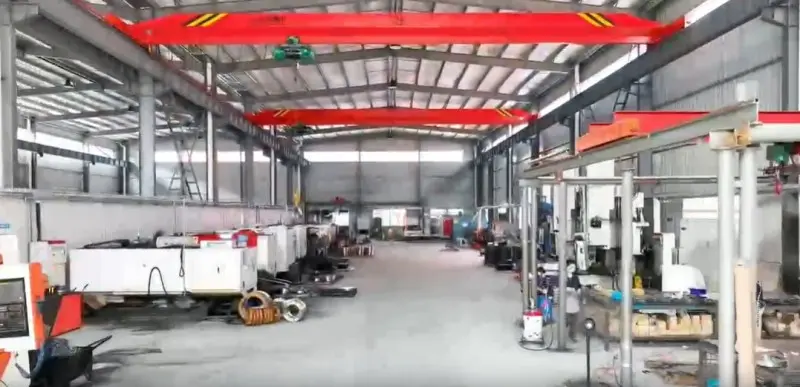
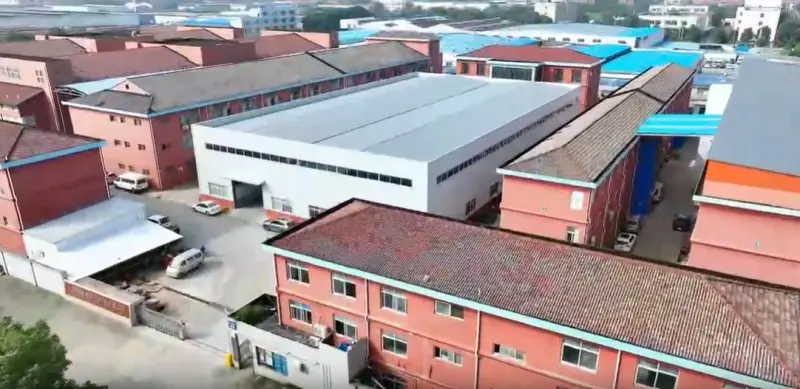
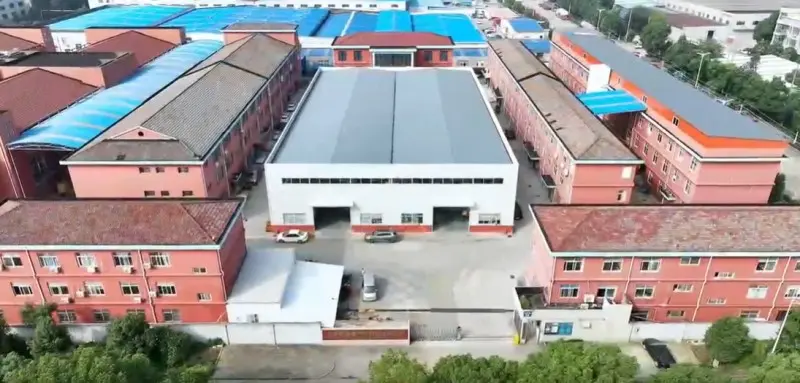
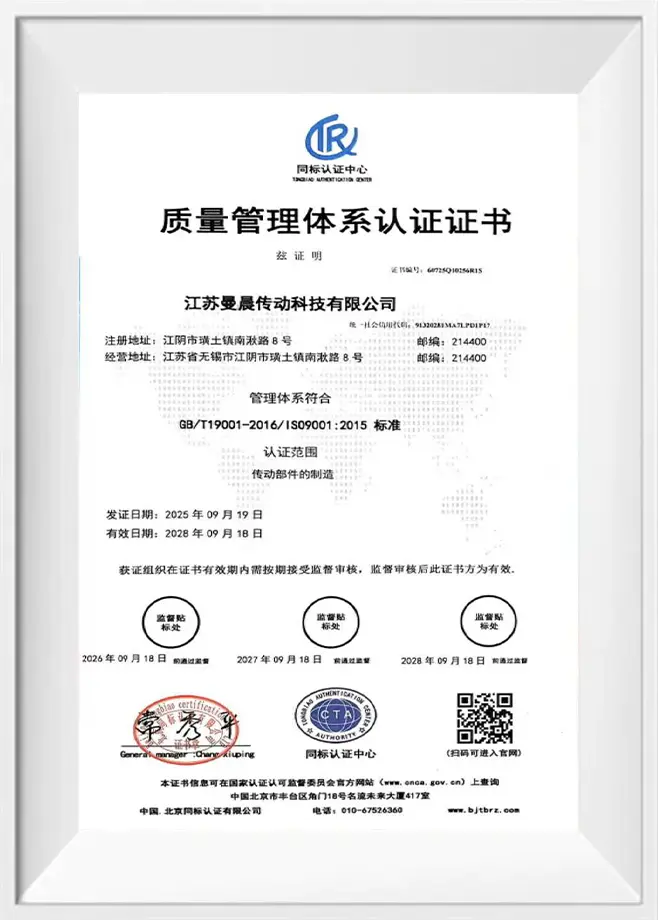
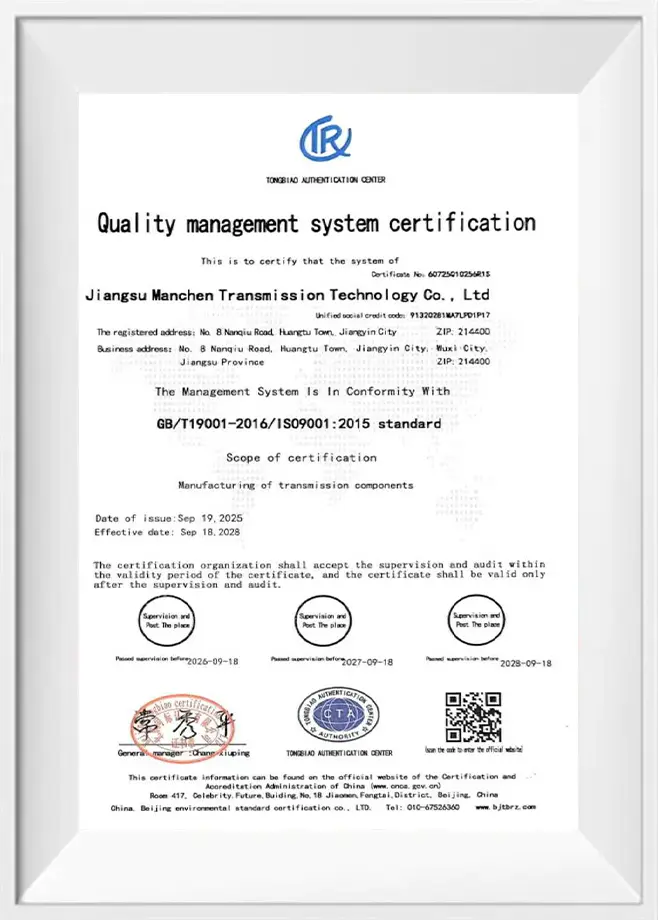
Adhering to strict international quality management standards to ensure maximum product reliability and customer satisfaction.
Our end-to-end manufacturing protocol delivers highly customized slewing rings and transmission devices optimized for heavy industrial applications.
 01
01

 02
02
 03
03
 04
04
 05
05
 06
06
 07
07
 08
08
 09
09
 10
10
Concentrated solar energy projects are global, but environmental stressors are local. Heavy infrastructure deployed in the MENA (Middle East and North Africa) region must resist high UV radiation, dry sandstorms, and dramatic ambient temperature fluctuations between day and night. The mechanical bearings here require highly precise heat treatment of the raceways to maintain microstructural integrity, combined with high-grade synthetic lubricants that will not lose viscosity at 50°C or freeze at sub-zero night temperatures.
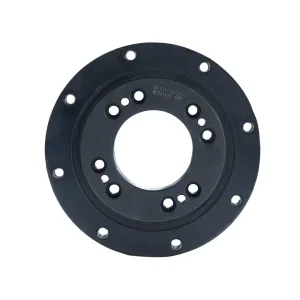
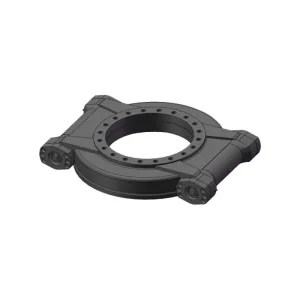
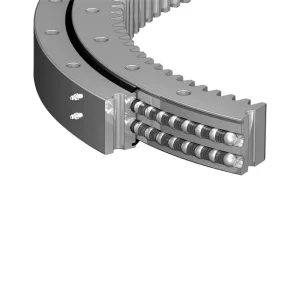
Conversely, offshore and near-shore installations in regions like East Asia face high humidity and high salinity. To prevent electrochemical corrosion and pitting, manufacturers use specialized raw materials, such as 50Mn or 42CrMo steel alloys, treated with advanced polyurethane painting systems or thermal zinc spraying. For industrial applications with high load-bearing demands, such as horizontal single-axis trackers in large agricultural arrays, L-shaped or single-row ball type swivel bearings provide the right balance of compact envelope dimensions and high overturning moment resistance.
Heliostat arrays in tower-type CSP plants require years of unattended operation. In these setups, slewing drives are integrated with absolute encoders to achieve precise closed-loop tracking. The internal design parameters, such as gearing backlash, axial play, and radial clearance, must be tightly controlled during manufacturing. Grinding of the inner and outer ring raceways is performed using CNC grinding centers to achieve a highly consistent finish and optimize ball-to-raceway contact.
Our manufacturing facility mitigates mechanical risks by carrying out non-destructive testing (NDT), including ultrasonic testing (UT) and magnetic particle testing (MT), to detect any internal defects or surface microcracks in raw steel forgings. This thorough verification protocol ensures that every slewing ring can support the static, dynamic, and emergency braking loads required of wind-susceptible solar tracking structures.
Designed for Industrial Automations, Robotics, and Heavy Duty Photovoltaic Tracking Systems
In-Depth Answers to Support Engineering Specification & Procurement Workflows
We have established long-term cooperative relationships with many well-known domestic enterprises. With stable quality and complete after-sales services, we have won wide recognition in the market. In the future, the company will continue to focus on technological upgrading in the transmission field, and strive to provide global customers with higher-quality and more cost-effective rotary transmission products and services.
 Manchen Transmission