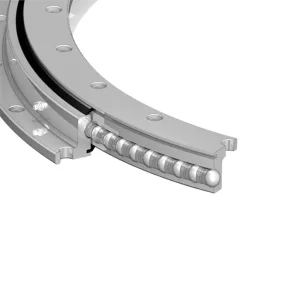
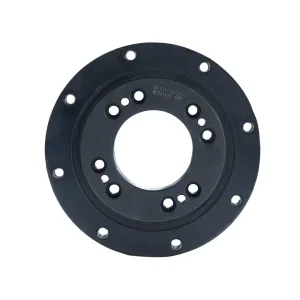
Explore our high-performance line of single-row ball, L-type, and gearless rotary bearings engineered specifically to handle the structural loads of utility-scale solar reflector assemblies.
The role of structural articulation and rotational bearings in maximizing thermodynamic conversion efficiency.
Concentrated Solar Power (CSP) systems, commonly termed Solar Reflector Power Plants, represent the pinnacle of utility-scale thermodynamic solar harvesting. Unlike traditional photovoltaic (PV) modules that directly convert light to electricity, solar reflector power plants leverage sprawling fields of mirrors—known as heliostats—to track the sun dynamically on dual-axes. They concentrate immense thermal flux onto a centralized receiver located at the apex of a tower or along a parabolic trough receiver pipe. This concentrated heat drives steam or gas turbines to generate base-load electricity, often supported by molten salt thermal energy storage systems.
According to global renewable energy research, the commercial development of solar reflector projects is surging across arid geographical regions including the Middle East and North Africa (MENA), the desert regions of Northern China, and the Southwestern United States. Operating CSP stations demands absolute rotational precision. Each heliostat mirror field must track solar coordinates with accuracy within milliradians to ensure the reflected beams hit the target receiver consistently. Because solar reflector power plants operate under extreme ambient temperatures, strong wind gusts, and abrasive desert conditions, the mechanical slewing drives and bearing units at their core represent critical, zero-failure structural elements.
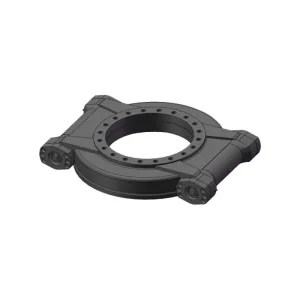
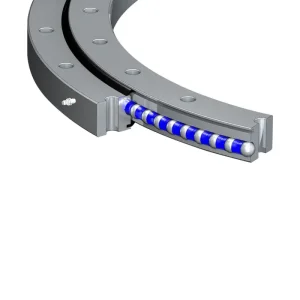
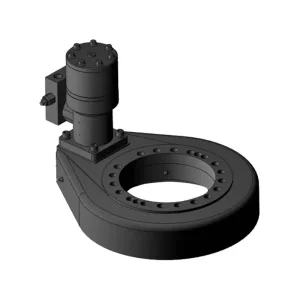
Our manufacturing division is optimized to meet the strict demands of global CSP developers. We supply robust external gear type horizontal rotary drives, L-shaped single-row ball slewing bearings, and cross-roller designs capable of absorbing multi-directional tilting moments. By establishing state-of-the-art forging lines, localized heat treatment protocols, and precise grinding processes, we provide tracking installations with structural integrity, low backlash, and a 25-year operational lifespan in high-irradiance, harsh desert environments.
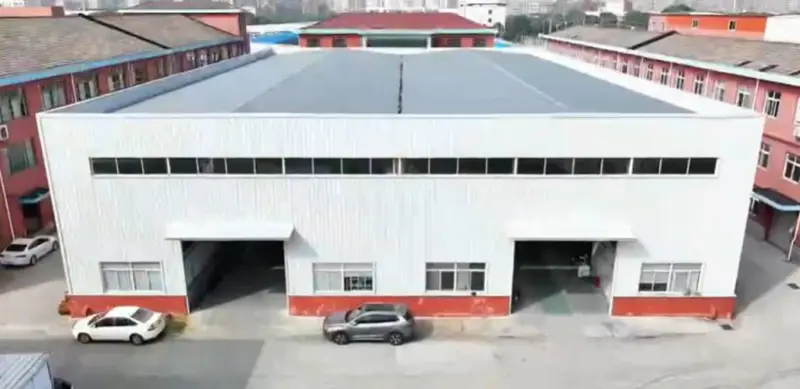
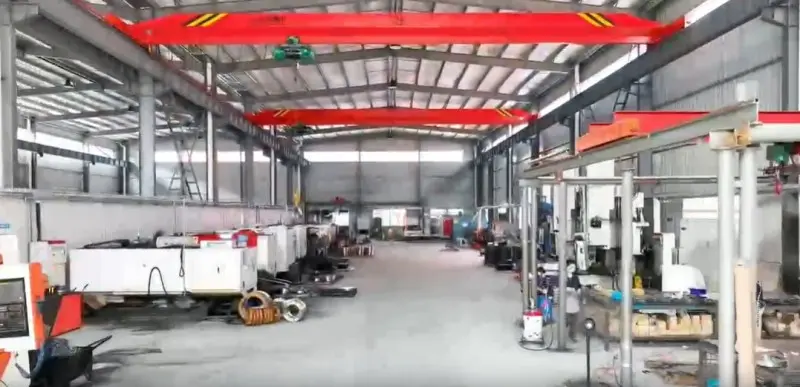
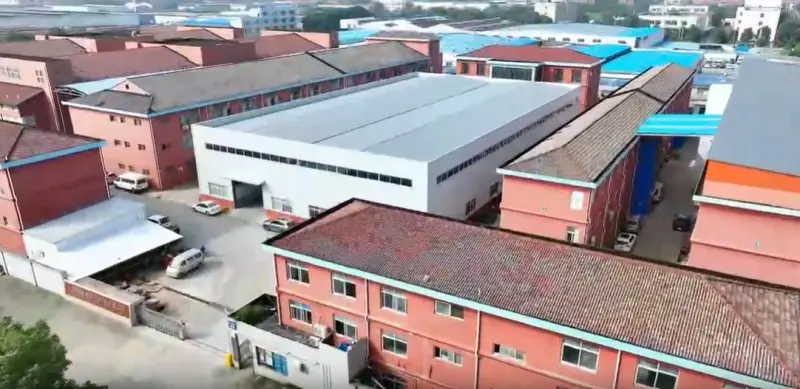
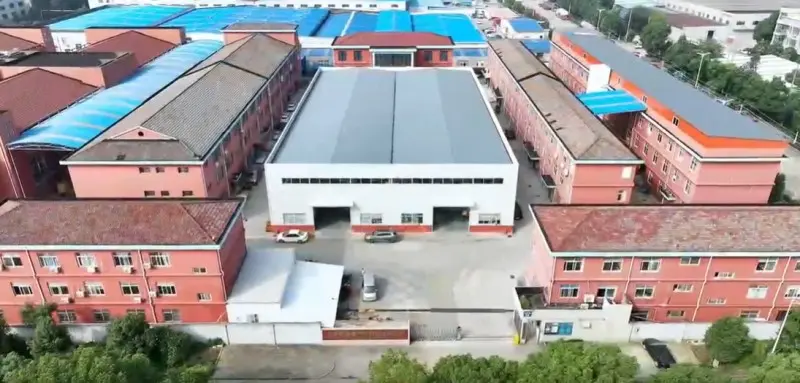
The company is located in Huangtu Town, Jiangyin City, Jiangsu Province, with very convenient transportation. The company has mature technical conditions and advanced equipment. Relying on exquisite forging, heat treatment and precision processing techniques, we can provide high-load-bearing, high-strength and long-life transmission solutions for construction machinery, medical equipment, intelligent warehousing, photovoltaic industry, port machinery, industrial robots, environmental protection equipment and other fields.
The company is equipped with advanced testing equipment and a complete quality control system. The products have a complete traceability from raw material selection to final product delivery, meeting domestic and international industry standards. The company always adheres to the business philosophy of "quality first, mutual cooperation", providing high-quality services and reliable products to new and old customers.

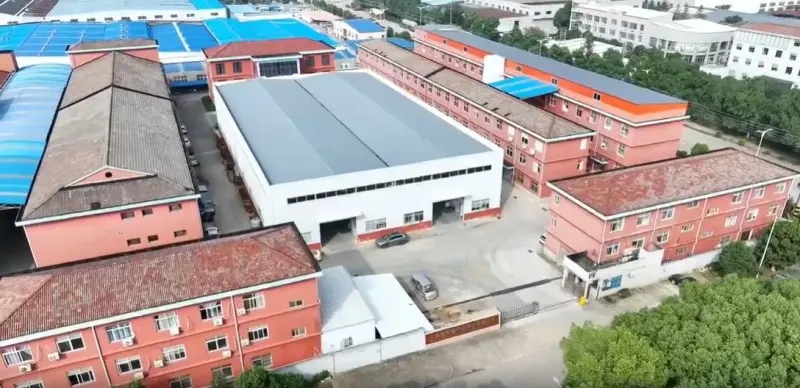
How technical roadmap trends dictate the design requirements of solar tracker actuators.
Heliostat units in solar reflector power tower projects require movement across two perpendicular axes. This structure demands integrated slewing drives that can manage high overturning dynamic torque while minimizing angular play to maintain focus on the central tower.
Concentrated solar sites are typically built in dry, sandy, wind-prone regions. To prevent abrasive sand and moisture from penetrating the raceway and compromising the rollers or balls, our components use custom-engineered synthetic rubbers and double-lip seals.
Severe high winds act like dynamic sails on solar reflectors, transferring tremendous forces down the tracker structure. Our single-row ball and cross-roller slewing rings are built with induction-hardened raceways to resist surface fatigue and pitting under cyclical stresses.
Transitioning from basic single-row ball slewing designs to high-precision L-type single-row ball structures with internal/external teeth. This step significantly reduces tracking error margins from 0.1° down to under 0.05°, resulting in greater concentration ratios at solar receiver towers.
Adopting specialized internal structures, such as single-row cross-roller designs, to simultaneously manage extreme axial loads and tilting moments. This evolution reduces the total weight of the tracking system while maintaining high structural rigidity.
Integrating real-time sensor systems directly within the slewing drive casing. These diagnostic components track wear indicators, temperature spikes, and backlash changes, allowing operators to run predictive maintenance protocols across large heliostat fields before mechanical failures occur.
Our complete production cycle, from raw steel selection to final quality verification, guarantees that every slewing bearing meets stringent industrial specifications.










Providing high-quality services and reliable products to new and existing customers based on global industrial standards.
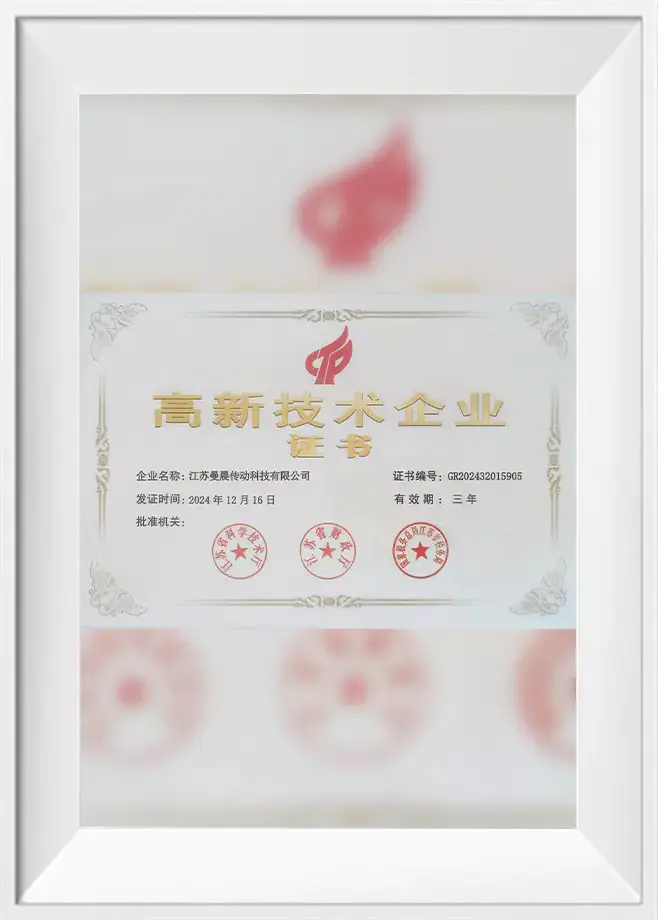
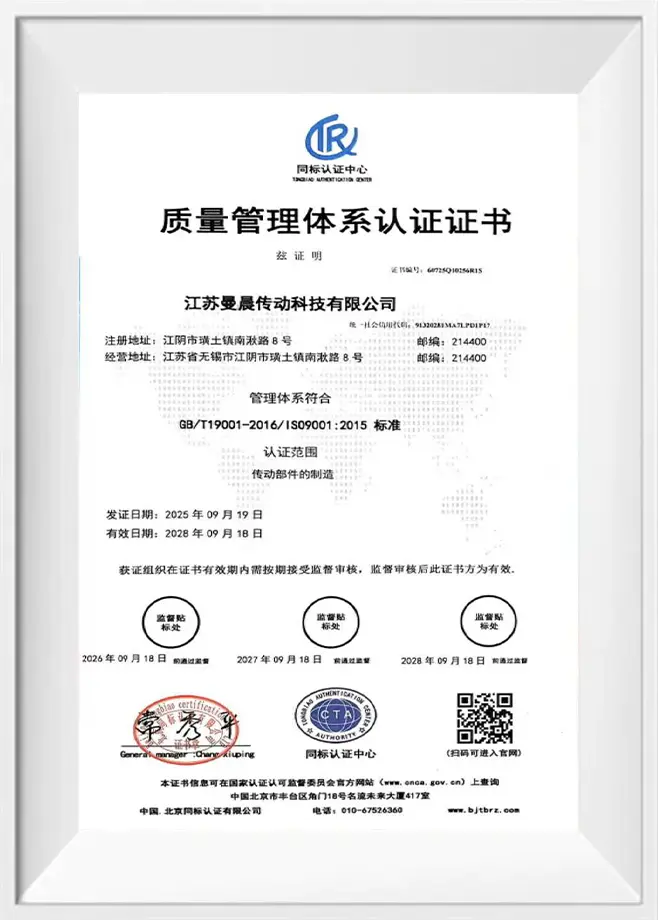
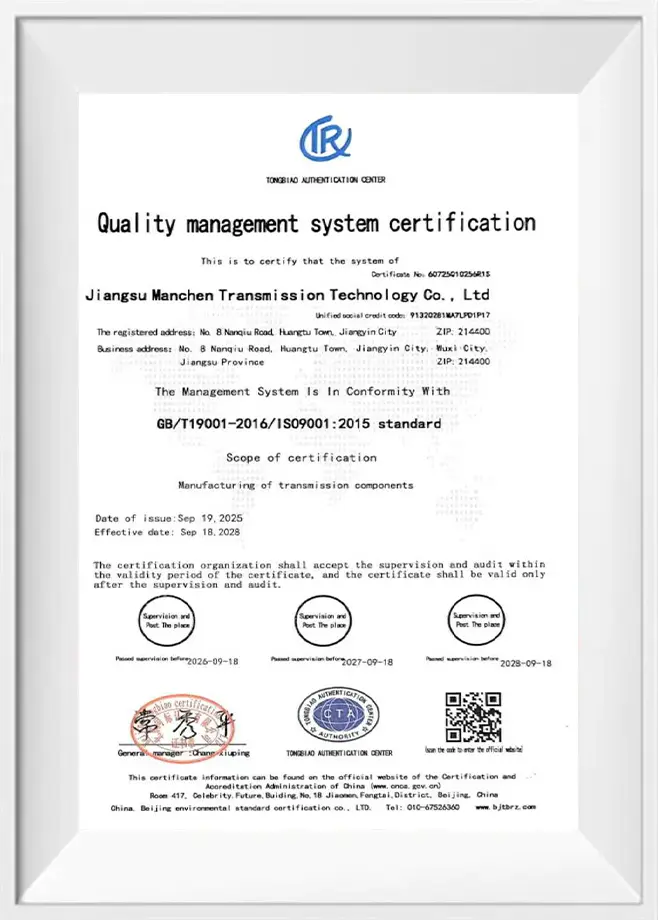
International standard quality management compliance across all forging and machining lines.
Complete chemical and physical test records, tracing raw materials to the final product shipment.
State-level safety compliance, clean heat treatment operations, and sustainable production.
Adapting mechanical transmission technologies to meet the challenges of diverse climates and sites.
Each solar installation presents unique environmental and operational challenges. In desert zones like the Gobi Desert or the Middle Eastern Rub' al Khali, tracking systems must withstand extreme ambient temperatures (often exceeding 50°C) and fine, highly abrasive dust particles. For these conditions, Jiangsu Manchen provides specialized horizontal rotary drive units equipped with high-temperature-stable synthetic grease and double-barrier sealing systems. These seals prevent grease loss and block dust ingress, protecting the gear teeth and roller raceways from early wear.
Conversely, solar fields located in coastal regions or high-altitude salt flats face corrosive atmospheres. In these settings, standard steel components can degrade rapidly due to chemical and galvanic corrosion. We address this by applying advanced metal surface coatings, including multi-layer zinc-nickel electroplating or specialized polyurethane coatings. These barrier options pass 1000-hour salt spray tests, shielding the carbon steel body and gear components from rust and extending the installation's physical lifespan.
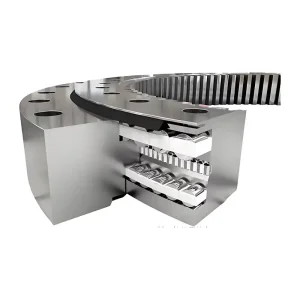
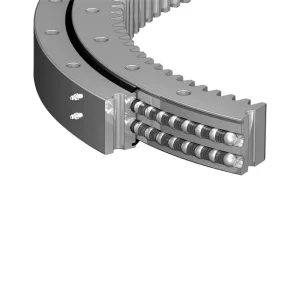
Additionally, for large, high-torque installations—such as parabolic trough drives or heavy PV solar trackers—we customize wide-diameter external tooth three-row cylindrical roller bearings. These systems distribute high radial, axial, and moment loads across three independent roller paths, delivering the high tilt resistance required to stabilize large reflector mirrors against turbulent winds.
Insights from our engineering department regarding installation, structural customization, and long-term operations.
We typically use high-grade medium carbon steel like 50Mn or alloy steel such as 42CrMo. The roller/ball raceways undergo localized induction hardening (usually achieving 55-62 HRC hardness depths) to resist high mechanical pressures and dynamic structural stresses.
By utilizing high-precision CNC hobbing and grinding machines, we control tooth profiles and track geometries closely. This allows us to reduce internal clearance and design custom gearing interfaces that keep backlash under 0.05°, preventing mirror drift in winds.
Yes. We provide complete OEM/ODM services, developing customized mechanical interfaces, tooth configurations, mounting hole arrangements, and sealing kits based on your system's structural requirements, load calculations, and environmental criteria.
We use heavy-duty, double-lip nitrile rubber (NBR) or fluoroelastmer (FKM) sealing systems. These keep fine dust, sand, and moisture from contaminating the internal grease while ensuring the lubrication remains within the raceway.
Our slewing bearings are designed with optimized internal geometries, such as single-row cross-roller arrangements. These contact setups absorb multi-directional tilting forces, keeping the tracking mechanism steady and secure during high wind gusts.
Thanks to advanced lubrication reservoirs and high-durability seals, maintenance intervals are extended. Depending on environment conditions, relubrication is recommended every 12 to 24 months, ensuring reliable long-term operation.
Explore our single-row ball, cross-roller, and gearless rotary bearings built for power plant automation and industrial positioning systems.
In addition, we have established long-term cooperative relationships with many well-known domestic enterprises. With stable quality and complete after-sales services, we have won wide recognition in the market. In the future, the company will continue to focus on technological upgrading in the transmission field, and strive to provide global customers with higher-quality and more cost-effective rotary transmission products and services.
 Manchen Transmission