Premium Mechanical Components Optimized for Dual-Axis CPV Solar Tracking & Concentrated Photovoltaic Mechanical Mounts

Established in 2022, Jiangsu Manchen Transmission Technology Co., Ltd. has rapidly emerged as a highly professional manufacturing enterprise integrating complete design, extensive research and development, custom precision fabrication, and international sales of slewing bearings and rotary drive assemblies. Located in the prominent machinery hub of Huangtu Town, Jiangyin City, Jiangsu Province, our facility benefits from premier logistics networks and a deeply integrated regional supply chain.
By leveraging exquisite forging, advanced induction heat treatment, and micron-level precision processing techniques, we deliver high-load-bearing, high-strength, and exceptionally long-life transmission solutions. These units are engineered specifically for demanding environments including heavy construction machinery, intelligent warehousing, medical systems, and crucially, the highly demanding solar energy sector (Concentrated Photovoltaic / CPV tracking systems).
"Concentrated Solar Power (CSP) and Concentrated Photovoltaic (CPV) systems rely heavily on precision. Unlike traditional flat-plate solar collectors, concentrated systems must focus sunlight onto a minute solar cell array. This demands high-torque, zero-backlash tracking systems that function reliably for 25+ years in harsh desert landscapes."
A Concentrated Solar Cell (often leveraging multi-junction photovoltaic technology) operates at concentrations of 500 to over 1000 suns. For these cells to yield energy efficiently, they must align almost perfectly perpendicular to direct solar radiation. The angular tracking tolerance is incredibly tight—frequently less than 0.1 degrees. This means the mechanical tracking platform cannot wiggle or drift, even when subjected to intense buffeting wind loads.
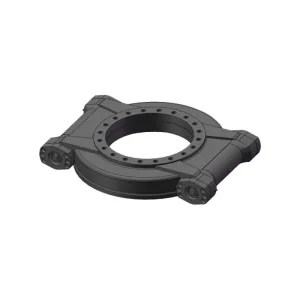
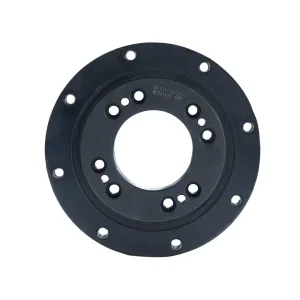
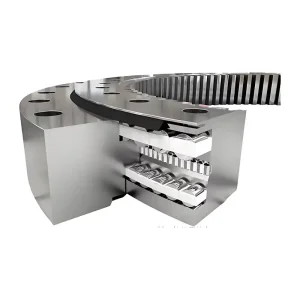
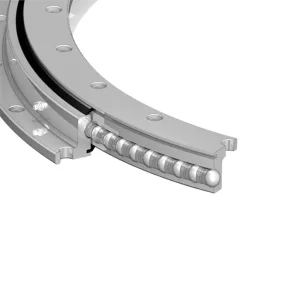
Our gear-driven rotary supports, such as the Internal Gear Horizontal Rotary Drive Device and Single-Row Cross-Roller Slewing Bearings, serve as the backbone of these positioning tracking systems. By transitioning raw torque with near-zero backlash, they allow structural assemblies to point the concentrated solar arrays directly toward the sun with unparalleled stability and micro-step reliability.
Designed to support massive dynamic structural weight. Multiple tracking frames can be structurally driven by a single central drive, maintaining torque efficiency under unbalanced loads.
Incorporates specialized lip seals and grease configurations. Excellent IP-rated dust protection is mandatory for hot, dry, and dust-swept locations where CPV arrays are typically built.
Worm gear and internal gearing options allow for custom reduction ratios. Provides large holding torque to resist wind-induced overturning moments without burning continuous electric current.
For international buyers, EPC contractors, and global utilities procuring components for Concentrated Photovoltaic power plants, reliability is the primary driver of ROI. Because CPV technology operates under severe solar concentration, structural failure or alignment degradation translates directly into massive power generation loss. During the selection of ODM Concentrated Solar Cell tracking manufacturers, global enterprises analyze several operational check-points:
Years Designed Operational Lifespan
High-Precision Angular Backlash Target
Material Traceability & UT Testing
Forging Alloys for Optimal Strength
Jiangsu Manchen Transmission Technology utilizes the extensive manufacturing footprint of Jiangyin, Jiangsu—a region globally recognized for its elite metallurgy and precision engineering. This allows us to procure premium raw materials such as certified 50Mn and 42CrMo steel alloys directly from nearby partner foundries, ensuring total material traceability while drastically minimizing lead times.
By blending state-of-the-art automated equipment with years of refinement in heat-treatment technology, our factory delivers exceptional mechanical performance at a highly competitive total cost of ownership. We bridge the gap between heavy structural endurance and fine mechanical tolerance, giving solar tracker developers access to rapid prototyping and scalable industrial production.
We understand that entering global energy markets requires compliance with local structural building codes, environmental regulations, and quality directives. Our engineering processes are structured to meet stringent global standards, providing partners with full confidence in project approvals.
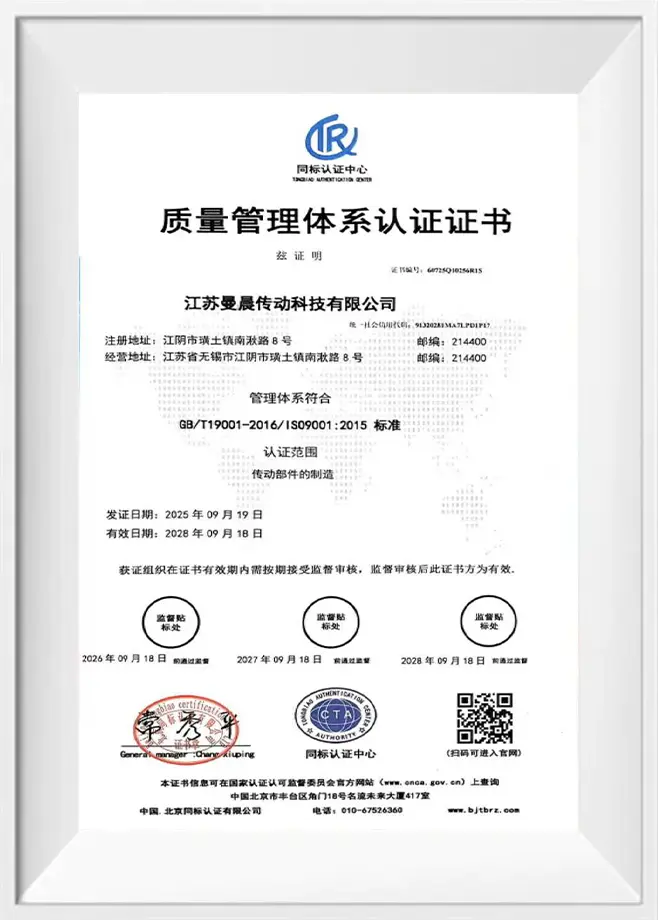
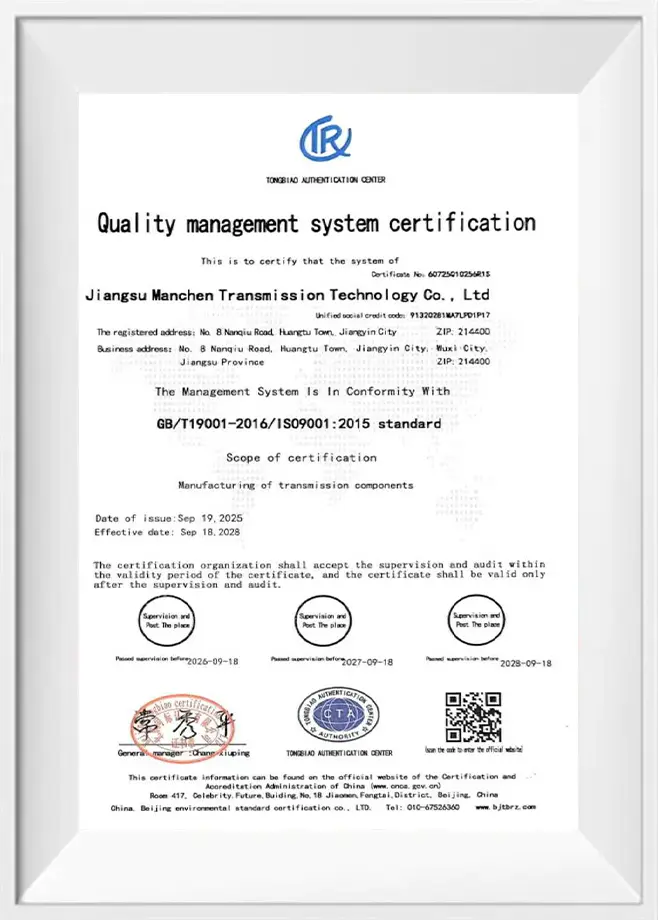
Our quality control program integrates ultrasonic testing (UT), magnetic particle inspection (MT), and coordinate measuring machine (CMM) dimensional verification. This rigid framework ensures that each slewing bearing or rotary drive shipped meets or exceeds European CE directives, ISO 9001 quality management guidelines, and regional safety codes.
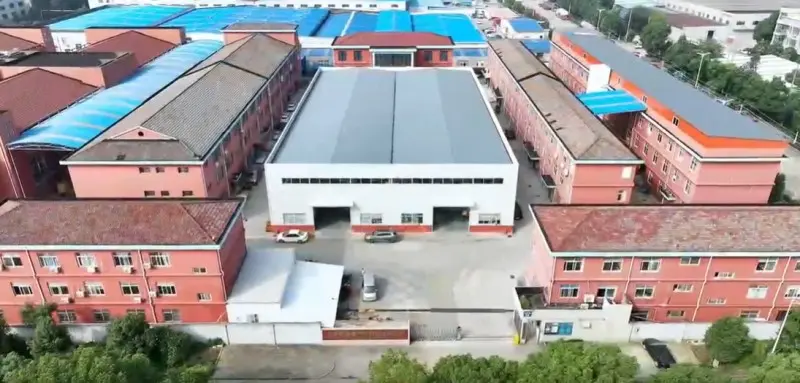
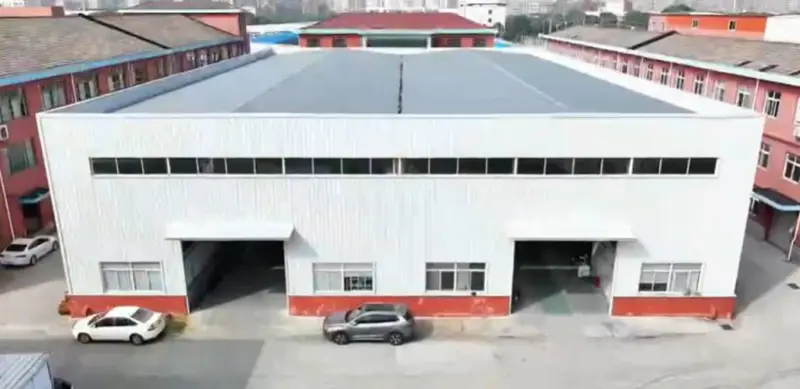
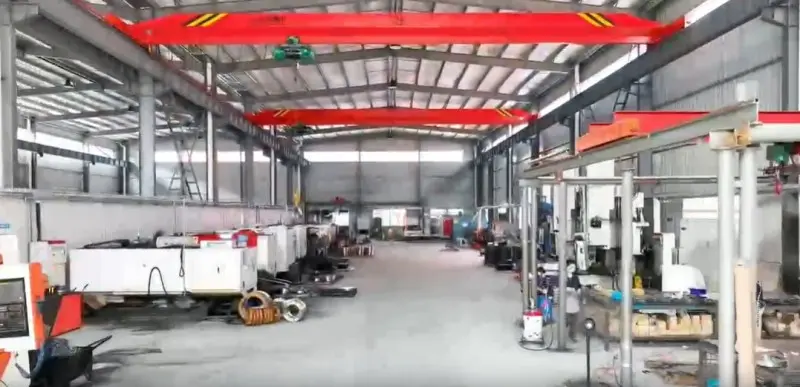
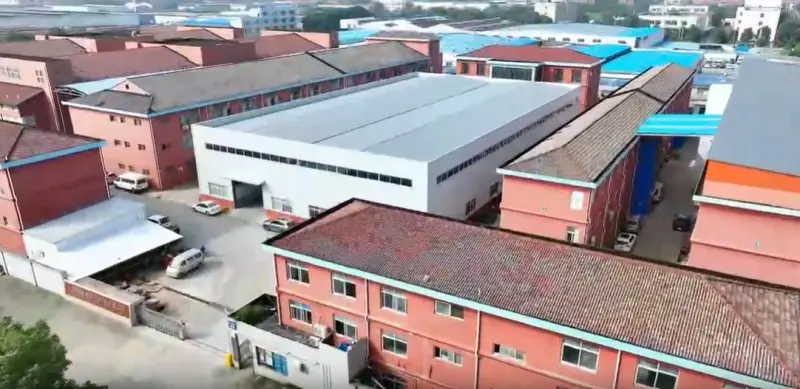
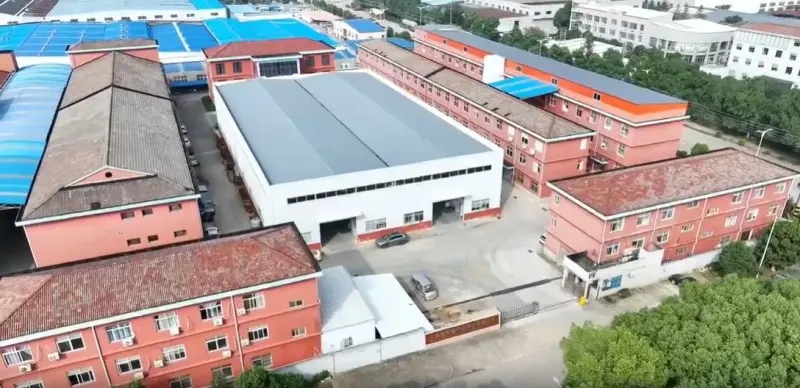
From initial high-grade steel selection to final micro-level verification, our production chain ensures absolute durability.










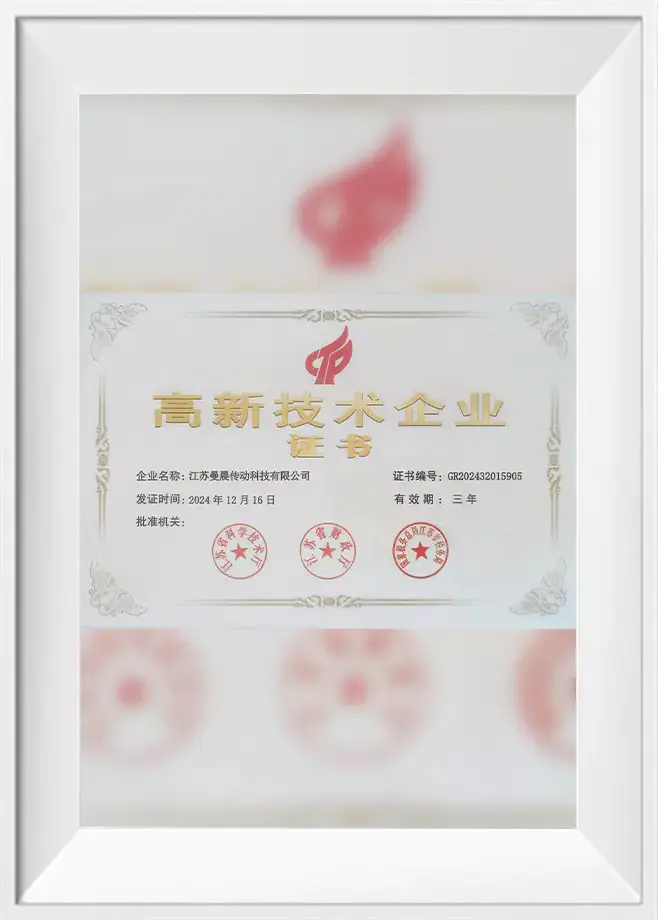
Our commitment to rigorous industrial validation ensures reliable operation in demanding environments.
As the solar industry transitions from static structures to active energy harvesting, single-axis systems are becoming standard for standard PV. However, for Concentrated Photovoltaic (CPV) and Concentrated Solar Power (CSP) systems, dual-axis tracking is essential to maintain alignment. The industry is currently moving towards larger structural apertures and centralized driving units that control hundreds of square meters of mirroring or high-concentration lenses simultaneously.
This dynamic scaling places immense stress on the central bearings. Manufacturers must adapt by designing cross-roller and double-row ball systems that support higher radial, axial, and overturning moment load capacities in a compact space. Additionally, smart diagnostic systems are beginning to emerge, utilizing real-time monitoring of backlash and rotational resistance within the slewing drive to anticipate maintenance needs before mechanical issues affect power output.
Explore Our Comprehensive Range of High-Performance Bearings Engineered for Global Machinery Operations
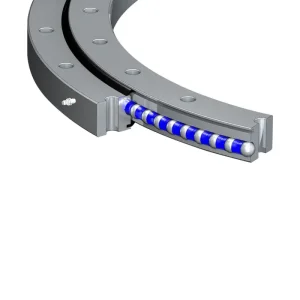
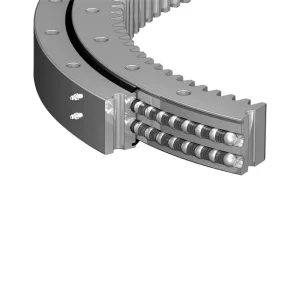
In partnering with Jiangsu Manchen Transmission Technology, you receive tailored mechanical design validation, deep-level materials reporting, and extensive custom development designed to maximize lifetime tracking system efficiency.
 Manchen Transmission