Explore our engineering portfolio featuring zero-backlash, high-torque external and internal gear slewing bearings customized for extreme solar tracking environments.
Whitepaper Part I: Geospatial Analysis & Dynamic Tracking Demands of Utility-Scale Projects
Concentrated Solar Power (CSP) plants rely heavily on high Direct Normal Irradiation (DNI) values, typically requiring thresholds exceeding 2,000 kWh/m²/year. Consequently, the commercial deployments of CSP are strategically located in dry desert belts: the Mojave Desert in the Southwest US, the Atacama Desert in Chile, the Gobi Desert in Northwestern China, Andalusia in Spain, and the MENA (Middle East and North Africa) region. Each location presents severe geological and environmental challenges.
Within these global locations, tracking arrays must trace the sun's trajectory with sub-milliradian precision to direct solar radiation toward a central receiver or collection tube. The core mechanical system facilitating this movement is the slewing bearing and drive. These structures must survive hostile desert climates characterized by high wind loads, abrasive sandstorms, and extreme diurnal temperature variations ranging from -30°C to +60°C.

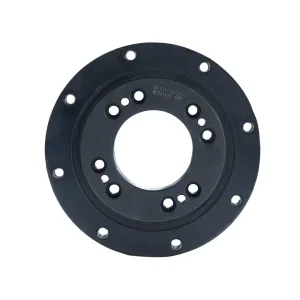
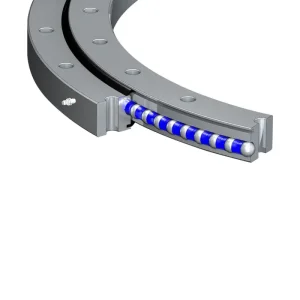
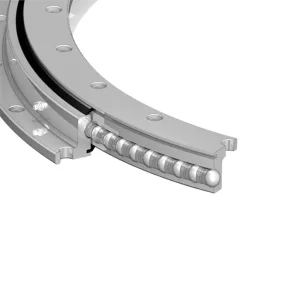
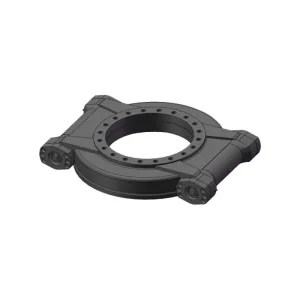
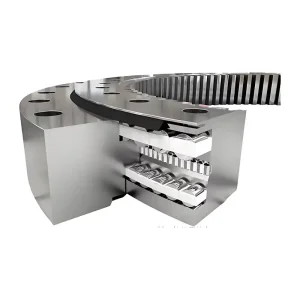
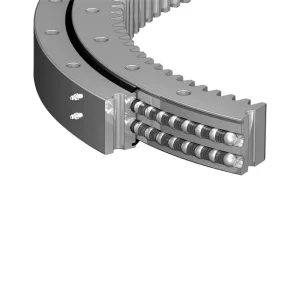
In Parabolic Trough, Solar Tower (Heliostat), and Linear Fresnel locations, tracking units encounter massive mechanical loads. Wind pressure exerts dynamic overturning moments that challenge the structural integrity of the drive mechanism. High-quality single-row ball slewing bearings, L-shaped configurations, and external-toothed cylindrical roller designs serve to mitigate these forces. Our products are engineered with robust contact geometry to balance radial, axial, and tilting moment loads concurrently.
Precision-ground tooth profiles and specialized heat-treatment processes are essential to minimize rotational backlash. Over time, gear wear can degrade heliostat focusing accuracy, directly reducing thermal receiver output and the system's overall Levelized Cost of Energy (LCOE). Mitigating backlash through precise gear mesh optimization and high-grade materials guarantees stable power output over decades of continuous operation.
Empowering Global Clean Energy and Heavy Machinery with Advanced Rotary Drive Engineering
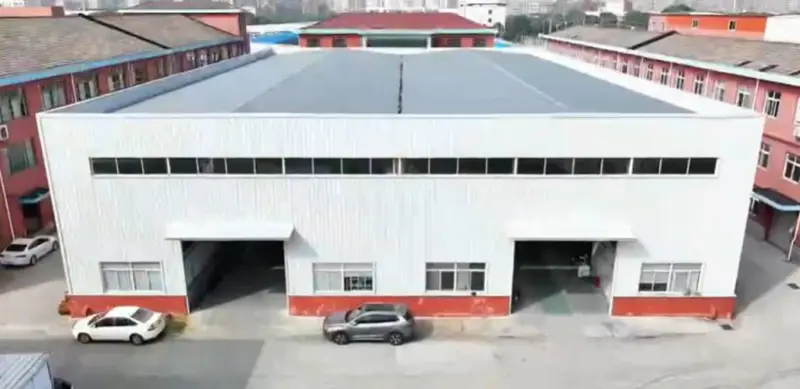
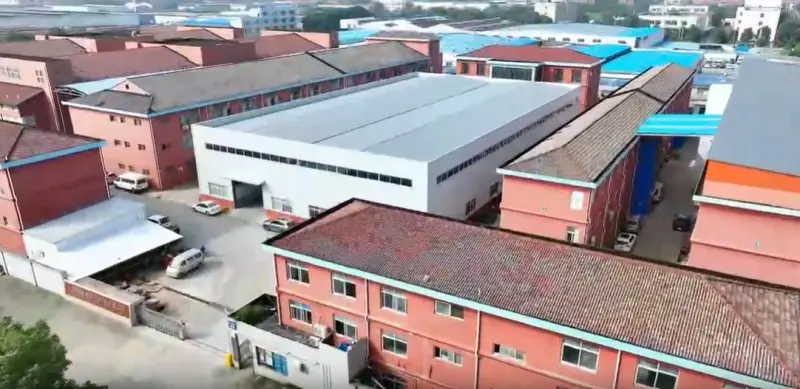
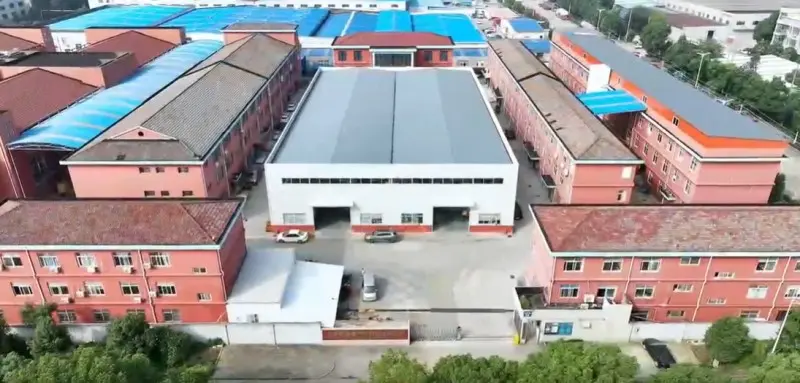
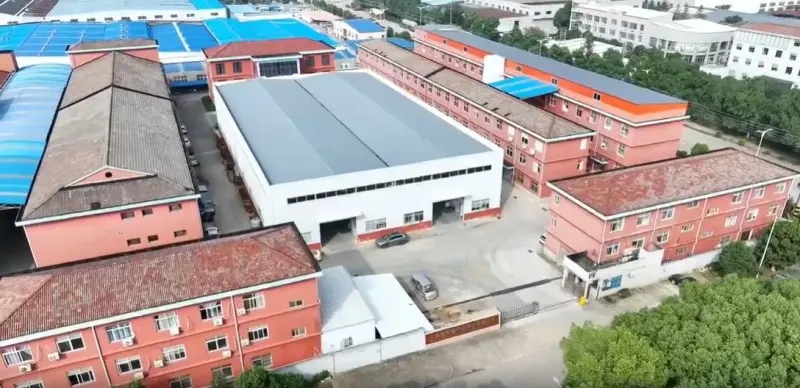
Established in 2022, Jiangsu Manchen Transmission Technology Co., Ltd. is a professional manufacturing enterprise integrating design, research and development, manufacturing, and sales. The company is strategically situated in Huangtu Town, Jiangyin City, Jiangsu Province, benefiting from convenient logistical access and a mature industrial supply chain.
Equipped with advanced manufacturing infrastructure and inspection equipment, Manchen relies on refined forging, precise heat treatment, and finish-machining processes. We produce high-load, high-strength, and long-life transmission components. Our solutions serve critical fields including construction machinery, medical equipment, automated warehousing, photovoltaic and CSP solar tracking, port machinery, robotics, and environmental protection systems.
Adhering to our core philosophy of "quality first, mutual cooperation", we implement strict quality assurance systems. This guarantees full traceability from raw material selection to final product delivery, meeting both domestic and international industry standards.
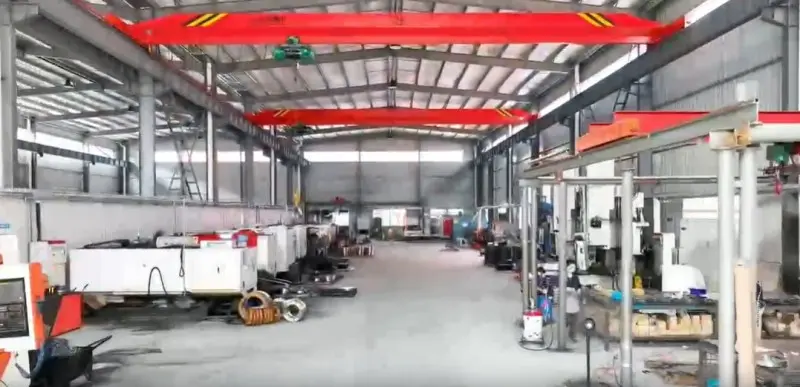
Our 10-step precision manufacturing process guarantees that every rotary drive meets exact structural and quality specifications.










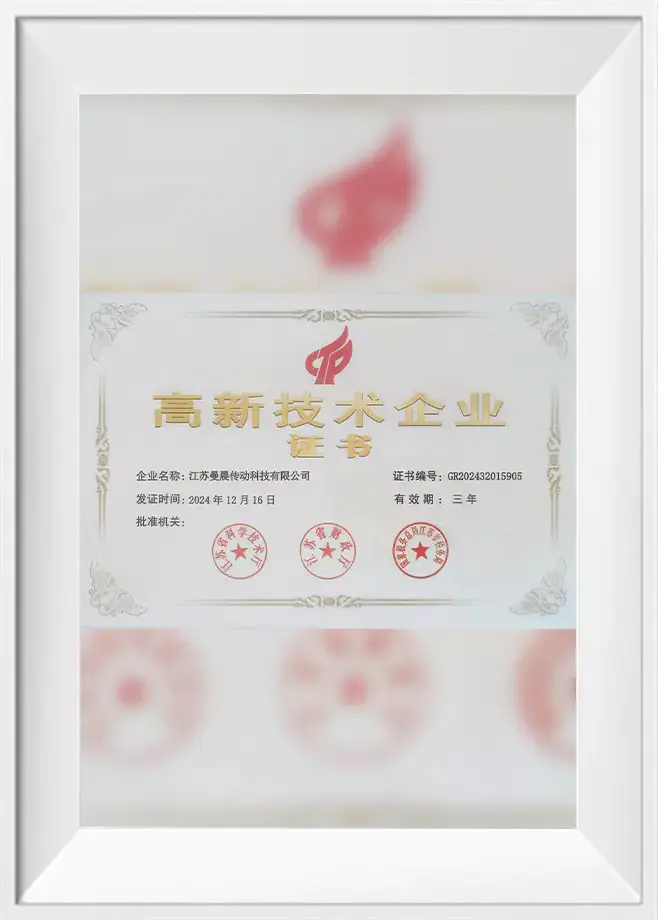
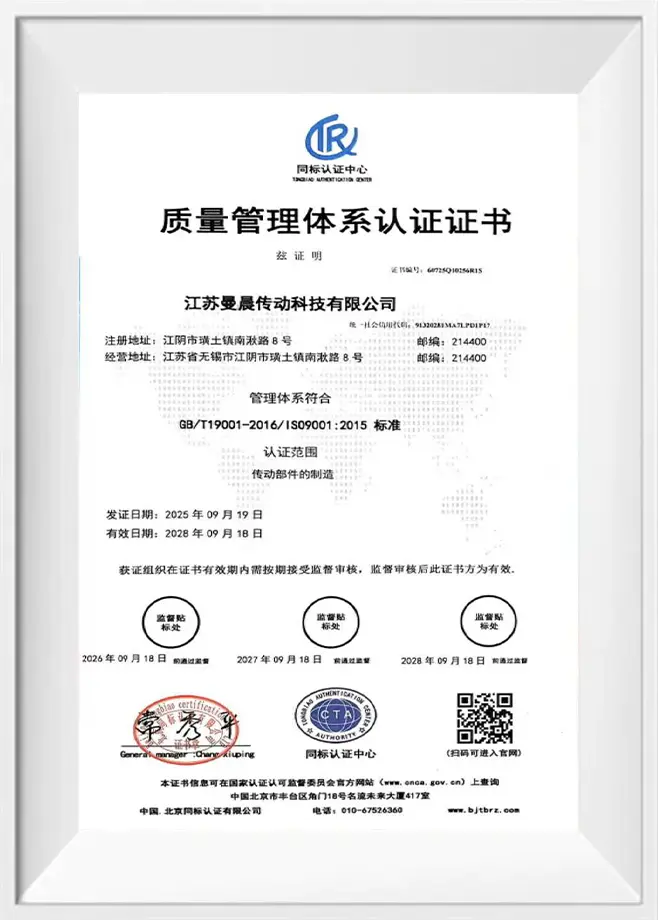
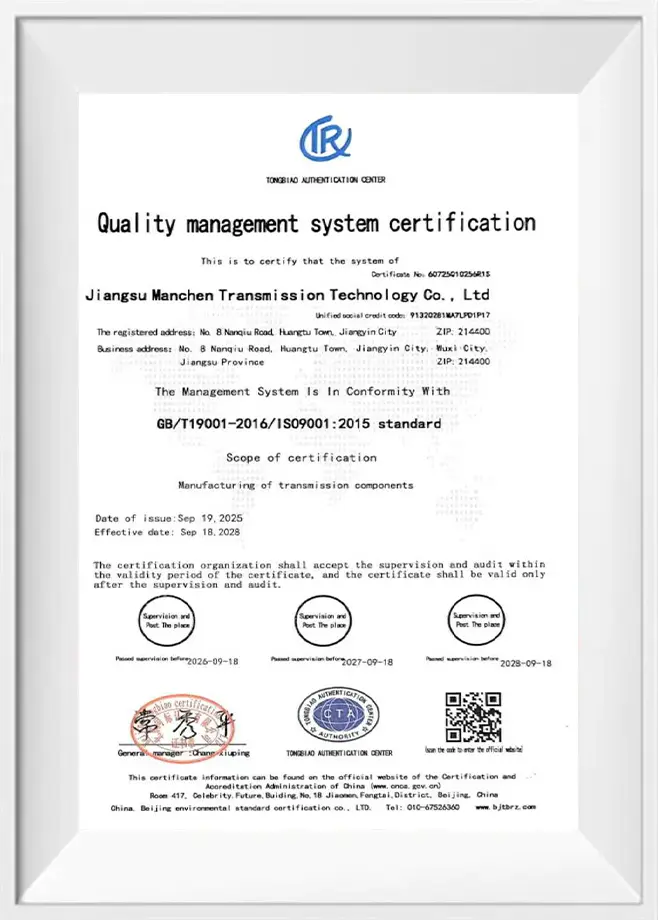
Operating under ISO 9001 and international manufacturing standards to guarantee long-term field reliability.
Whitepaper Part II: Driving down LCOE through structural innovation, materials science, and smart diagnostics.
Operating in environments with high particulate concentrations accelerates tooth wear and compromises seals. Current development efforts focus on advanced sealing technology, incorporating labyrinth seals and dual-lip synthetic fluororubber structures to exclude airborne dust. Concurrently, surface engineering methods such as induction hardening and plasma nitriding are applied to the gear teeth. These processes increase surface hardness to over 55 HRC while preserving a ductile core, providing resistance to fatigue and shock loads.
Heliostat systems require precise positioning to maintain focal accuracy. Standard gear drives exhibit minor backlash that can be amplified by long tracking structures. By implementing advanced CAD and finite element analysis (FEA), we design customized contact patterns that minimize angular play. Double-enveloping worm gears or precision-shaved internal ball bearings ensure smooth, stable rotation under wind loads, protecting structural components and reducing maintenance requirements.
Modern utility-scale solar projects benefit from smart monitoring technologies. By integrating temperature and vibration sensors directly into the slewing bearing housing, tracking systems can detect early signs of abnormal wear or lubrication failure. Real-time diagnostic data enables operators to perform preventive maintenance before a failure occurs, reducing unscheduled downtime and supporting plant operations over their expected 30-year lifecycle.
Providing customized mechanical designs to optimize tracking performance across different solar thermal technologies.
Central receiver solar towers utilize thousands of tracking mirrors (heliostats) to focus sunlight onto a single tower receiver. Our single-row ball slewing bearings and high-precision rotary drives are engineered to withstand continuous wind forces while keeping optical tracking error below 1.0 mrad. This ensures reliable performance in large-scale heliostat fields.
Trough and Fresnel configurations trace the sun along a single axis to heat heat-transfer fluid (HTF) in a collector tube. These applications demand high tilting moment capacity and robust torsional stiffness to manage long structural loops. Manchen's heavy-duty slewing drives deliver consistent rotation, ensuring optimal thermal capture across the entire collector loop.
"In the future, the company will continue to focus on technological upgrading in the transmission field, and strive to provide global customers with higher-quality and more cost-effective rotary transmission products and services."
We build long-term cooperative partnerships with leading domestic and international enterprises. By focusing on technological innovation, structural reliability, and responsive after-sales service, we help our partners achieve efficient, long-term operation of their solar tracking infrastructure.
Technical and commercial FAQs regarding ODM Concentrated Solar Power Tracking Systems and Transmission Parts.
Complete your design specifications with our reliable L-type, double-row, and external gear drive configurations.
 Manchen Transmission