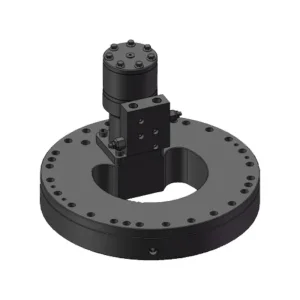
Engineered for precise solar tracking, durability under high wind loads, and long-term operating efficiency.
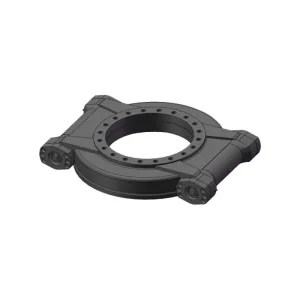
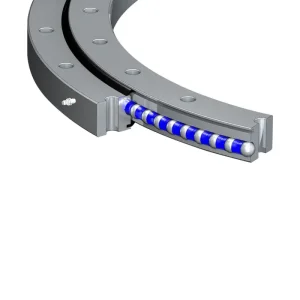
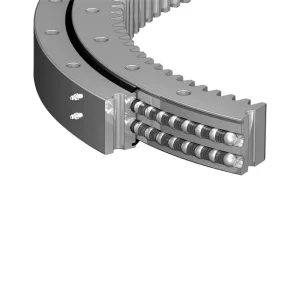
Concentrated Solar Power (CSP) systems represent a cornerstone of the global transition toward base-load renewable energy. Unlike conventional photovoltaic (PV) arrays, CSP plants utilize mirrors or lenses to concentrate a large area of sunlight onto a receiver. This thermal energy is subsequently stored in molten salt systems or utilized directly to drive steam turbines. The financial feasibility and thermodynamic efficiency of a CSP utility-scale plant depend heavily on tracking accuracy. Heliostats, parabolic troughs, and linear Fresnel reflectors must follow the sun's trajectory with sub-milliradian precision throughout the day.
CSP facilities operate under extreme meteorological conditions. Trackers are subjected to continuous wind loading, sudden thermal expansions, and abrasive dust. In this demanding environment, the rotary drives and slewing bearings serve as the primary structural and motion transmission nodes. Any mechanical backlash, structural deflection, or bearing wear can degrade tracking accuracy, resulting in immediate thermal losses at the receiver.
The global CSP market is undergoing a structural evolution. Regions with exceptional Direct Normal Irradiation (DNI)—such as the Middle East and North Africa (MENA), the western states of the USA, northern Chile, parts of Australia, and Western China—are rapidly deploying hybrid CSP-plus-PV generation profiles. Integrating Thermal Energy Storage (TES) allows CSP installations to dispatch electricity on demand, filling grid gaps when solar PV generation drops after sunset. Consequently, engineering procurement and construction (EPC) firms require high-torque, long-life tracking solutions that can endure over 25 years in remote, desert environments without maintenance failures.
Different CSP designs place unique demands on transmission assemblies:
How advanced engineering addresses structural, environmental, and kinematic challenges in CSP applications.
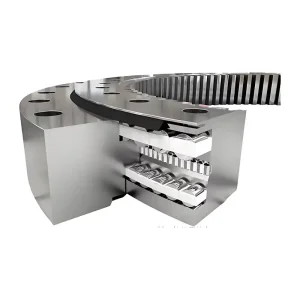
By employing custom gear profiles, including enveloping worm configurations and modified internal spur gearings, our designs maximize tooth contact area, minimizing wear and eliminating backlash.
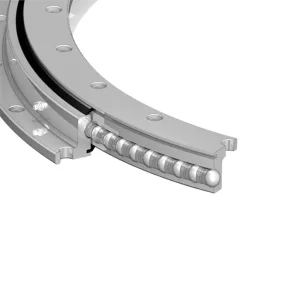
Induction hardening of the ball raceways ensures deep, uniform case depth, providing the surface fatigue limits needed to sustain cyclic tilting moments from dynamic wind shears.
Proprietary polyurethane or fluororubber double-lip seals exclude microscopic desert sand particles and moisture, preventing contamination of the internal grease lubricant.

Established in 2022, Jiangsu Manchen Transmission Technology Co., Ltd. is a professional manufacturing enterprise integrating design, research and development, manufacturing, and sales. Located in Huangtu Town, Jiangyin City, Jiangsu Province, we benefit from convenient logistics links that connect our factory to major international shipping hubs.
Our operations leverage mature technical conditions and advanced equipment. Relying on precise forging, induction heat treatment, and precision CNC finishing processes, we deliver high-load-bearing, high-strength, and long-life transmission solutions. Beyond Concentrated Solar Power (CSP) and solar trackers, our products serve demanding fields including construction machinery, medical equipment, intelligent warehousing, port machinery, industrial robotics, and environmental protection equipment.
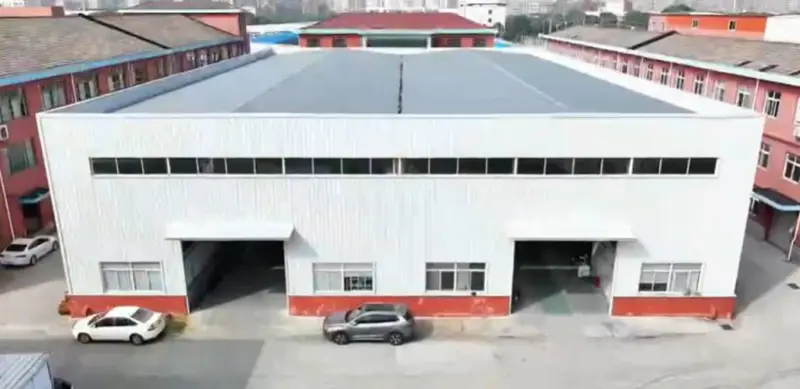
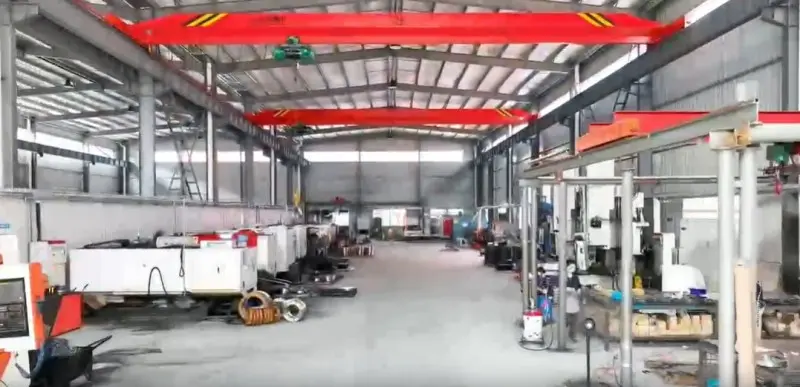
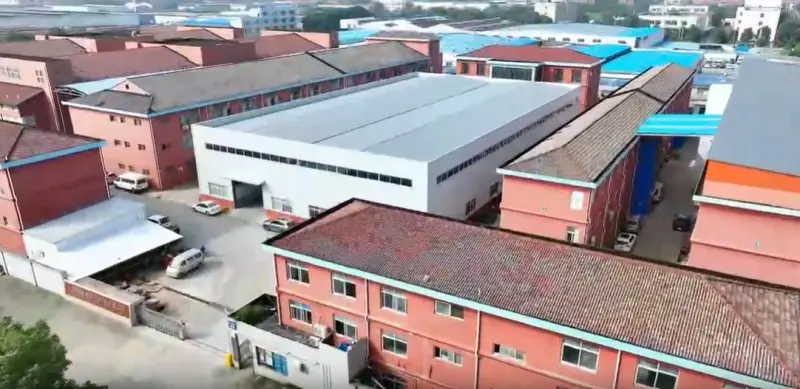
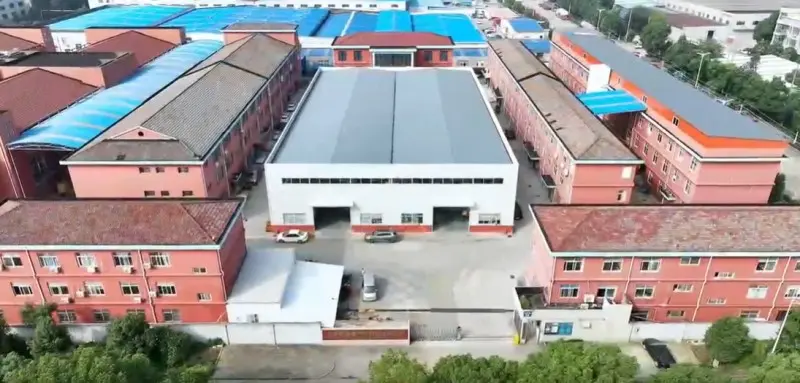
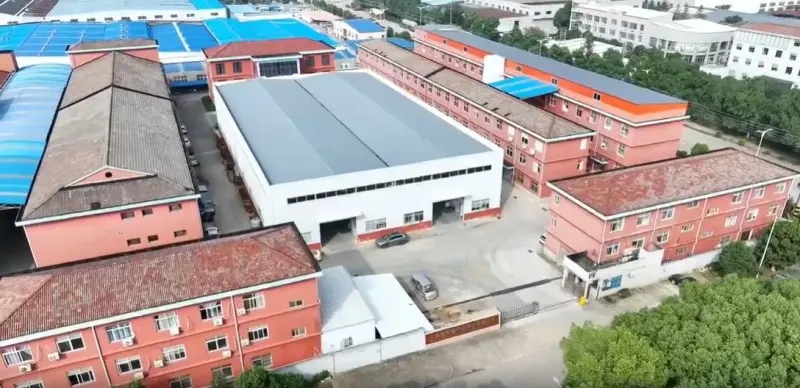
Adhering to strict international standards for traceability, process control, and performance reliability.
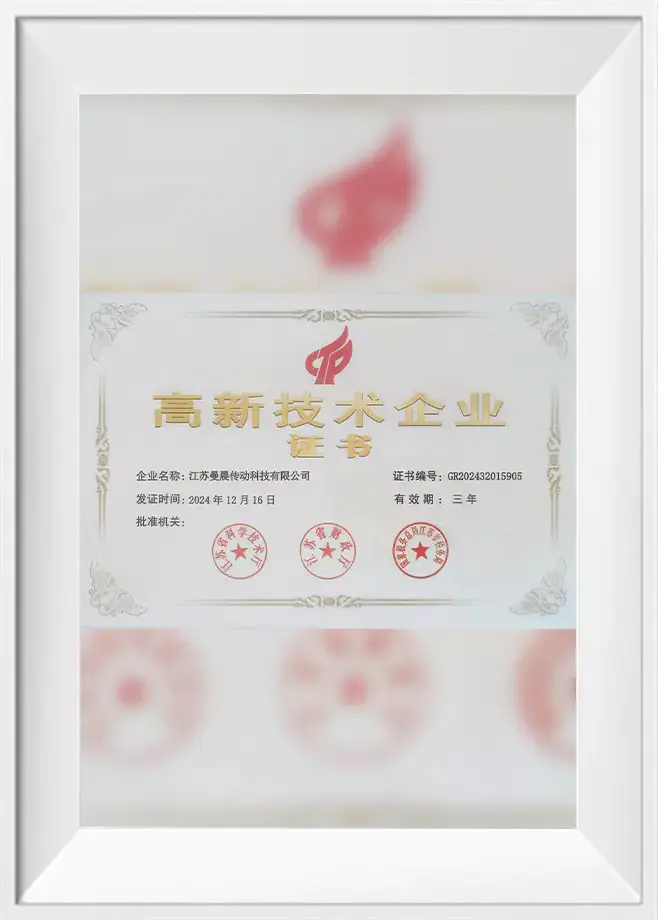
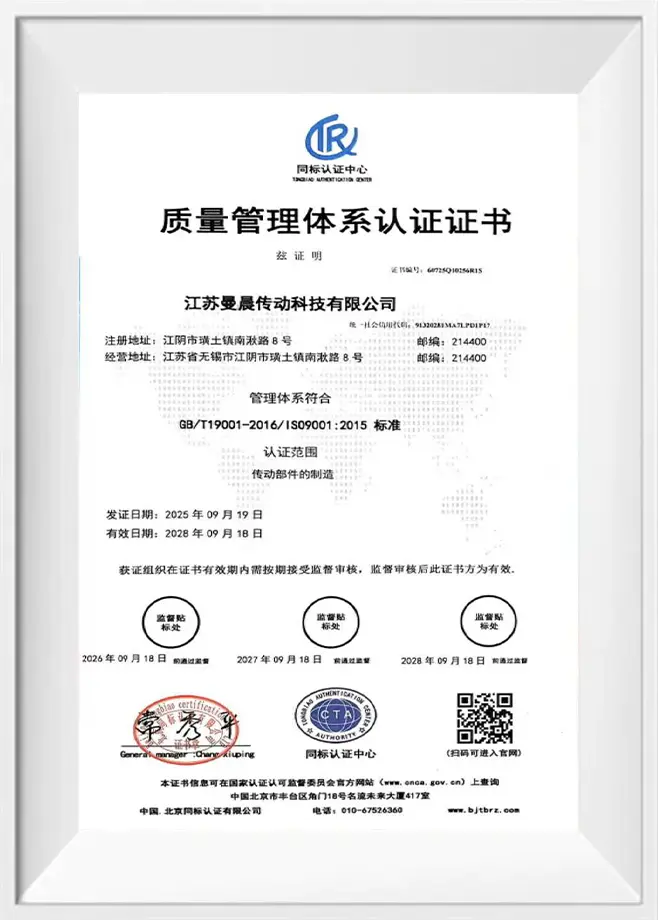
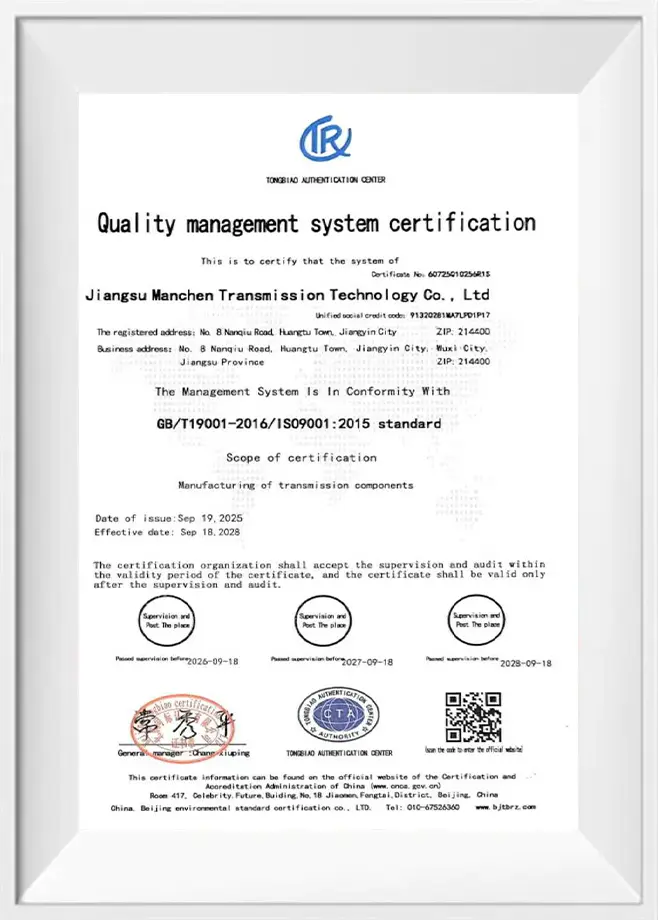
Our structured production workflow ensures every component is traceable and verified for harsh environment applications.

Sourcing certificated forging steel billets with complete ladle analysis and metallurgical reporting.

Seamless ring rolling processes to align the steel's grain structure with the direction of incoming rotational stresses.

Initial turning operations define the structural envelope of the inner and outer rings.

Induction hardening of the raceway channels is paired with tempering cycles to stabilize internal stresses.

Precision turning of registers, mounting hole patterns, and gear teeth profiles to near-net sizes.

Raceways are ground to super-finish tolerances to minimize rotational friction coefficients.

Final CNC machining controls geometrical runouts and positioning accuracy targets.

Chemical washing and application of protective anti-corrosion primers or galvanizing treatments.

Installing rolling elements, precision spacer systems, seals, and long-life extreme-pressure grease.

Non-destructive validation, radial clearance checks, paint thickness audits, and packing in seaworthy crates.
Purchasing agents, technical directors, and supply chain managers in the CSP sector face challenges distinct from those in standard photovoltaic developments. CSP installations represent long-term capital investments, with lifetimes expected to exceed 25 years. This longevity places strict demands on structural components:
EPC contractors must verify raw materials back to the steel mill. Standard EN 10204 3.1 or 3.2 material certificates are required to confirm correct alloying ratios. In desert regions experiencing temperatures from -10°C to +50°C, low-temperature impact testing of the forging steel is essential to ensure components do not crack under sudden thermal loads.
Suppliers must supply complete FEA models demonstrating the bearing's response under combined axial, radial, and tilting moment loads. Wind tunnel simulations must confirm that the slewing bearing and output pinion can resist extreme wind conditions when the solar collectors are locked in their survival orientation.
Atmospheric corrosivity classes (e.g., C4 or C5-M under ISO 12944) are common in arid, salt-flat, or coastal desert regions. Slewing drives must utilize custom multi-lip seal designs and specialized protective paint systems to prevent premature oxidation and internal abrasive wear.
As the solar thermal power industry targets a lower Levelized Cost of Energy (LCOE), tracking components must evolve. The technological roadmap focuses on four main engineering areas:
Deep engineering insights addressing the common problems in CSP tracking systems design and procurement.
Explore our specialized heavy-duty solutions, featuring external and internal gear types alongside three-row roller configurations.
In addition, we have established long-term cooperative relationships with many well-known domestic enterprises. With stable quality and complete after-sales services, we have won wide recognition in the market. In the future, the company will continue to focus on technological upgrading in the transmission field, and strive to provide global customers with higher-quality and more cost-effective rotary transmission products and services.
 Manchen Transmission