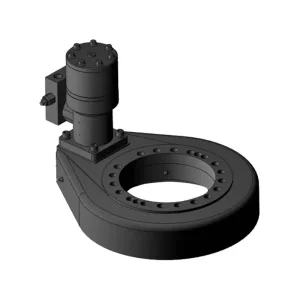
Explore our core catalog of heavy machinery slewing ring bearings, cylindrical roller assemblies, and customized geared components engineered for harsh operating environments.
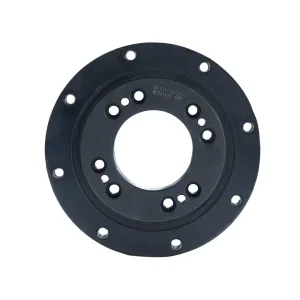
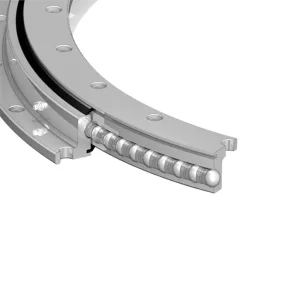
An authoritative analysis of load distribution mechanics, technological pathways, and system integration strategies for industrial slewing configurations.
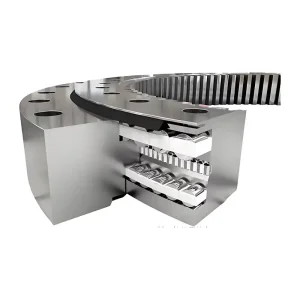
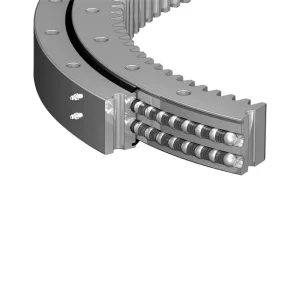
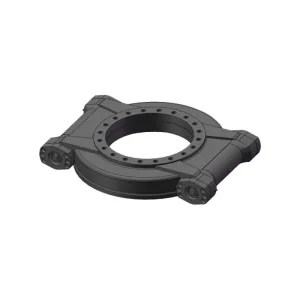
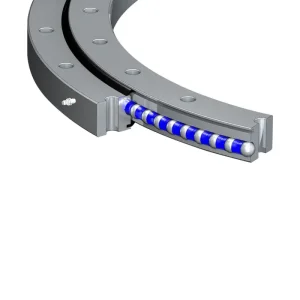
Double row ball slewing bearings represent a crucial evolutionary milestone in large-scale rotational mechanical systems. Unlike conventional single-row four-point contact structures, double-row bearing architectures employ two independent rows of rolling elements. These rows run in separate parallel raceways, enabling the distribution of complex stress profiles comprising axial loads, radial loads, and massive tilting moments (also known as overturning moments).
By splitting the contact points, double row configurations mitigate peak contact stresses. In engineering practice, the upper row of balls primarily absorbs thrust (downward axial loads) and tilting moments, while the lower row acts to stabilize the assembly against upward uplifting thrusts and complex combined loading vectors. This distinct load-sharing mechanism increases the static capacity and extends the fatigue life of the bearing under continuous heavy rotation cycles. Consequently, double row configurations are widely adopted in cranes, solar trackers, harbor machinery, and large wind turbine yaw systems.
Mathematical modeling shows that when a single-row bearing is subjected to combined overturning moments ($M$) and axial forces ($Fa$), the contact angle shifts dramatically, causing accelerated raceway wear. In contrast, the dual raceway structure of a Double Row Ball Bearing maintains a stabilized contact geometry under fluctuating moments. By distributing the load over two discrete circles of balls, the dynamic rating is boosted by up to 40%, whereas the overall envelope diameter only increases minimally compared to single-row equivalents.
To produce slewing rings capable of operation in high-stress, abrasive, or marine environments, strict adherence to advanced metallurgy and manufacturing processes is mandatory. At our factory, the technology roadmap prioritizes structural integrity, raw material uniformity, and micro-precision finishing. We utilize high-quality structural steel forgings, primarily 42CrMo and 50Mn, sourcing from certified steel plants with complete chemical trace records.
The manufacturing process relies on medium-frequency induction hardening to achieve a deep, uniform hardened case along the raceway profile. The transition zone (the soft spot required for heat treatment release) is strategically positioned away from critical load zones. Raceway grinding is executed on computer-controlled double-column vertical grinding centers, ensuring sub-micron tolerances for sphericity, flatness, and runout. Each rolling path undergoes non-destructive testing (NDT), including magnetic particle inspection and ultrasonic testing, to eliminate subsurface defects before assembly.

Established in 2022, Jiangsu Manchen Transmission Technology Co., Ltd. is a professional manufacturing enterprise integrating design, research and development, manufacturing, and sales. The company is located in Huangtu Town, Jiangyin City, Jiangsu Province, offering highly convenient logistics and transport access to global maritime hubs.
Relying on exquisite forging, heat treatment, and precision processing techniques, we provide high-load-bearing, high-strength, and long-life transmission solutions. Our engineering footprint spans construction machinery, medical equipment, intelligent warehousing, the photovoltaic industry, port machinery, industrial robots, environmental protection equipment, and other specialized engineering sectors.
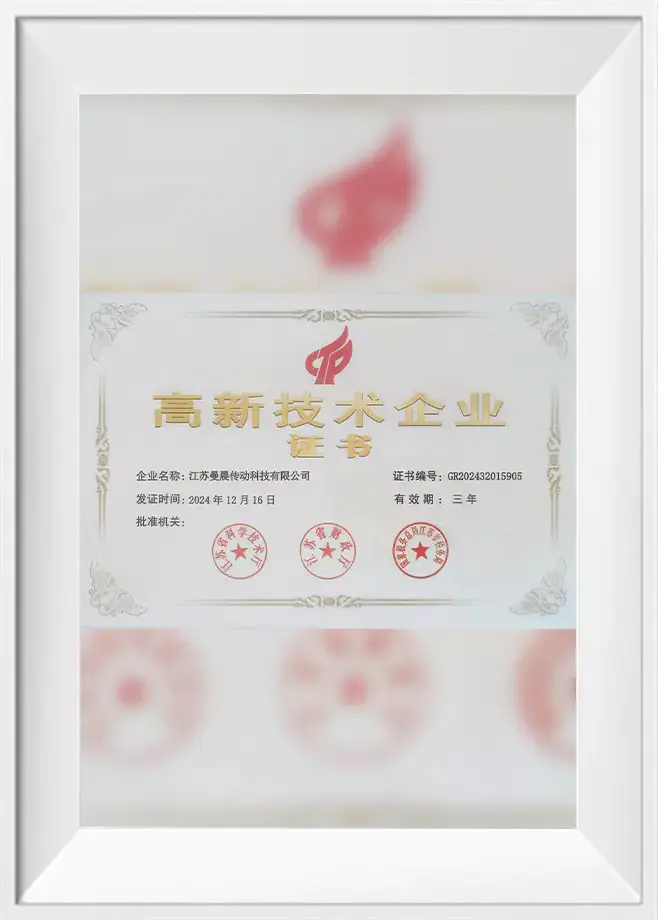
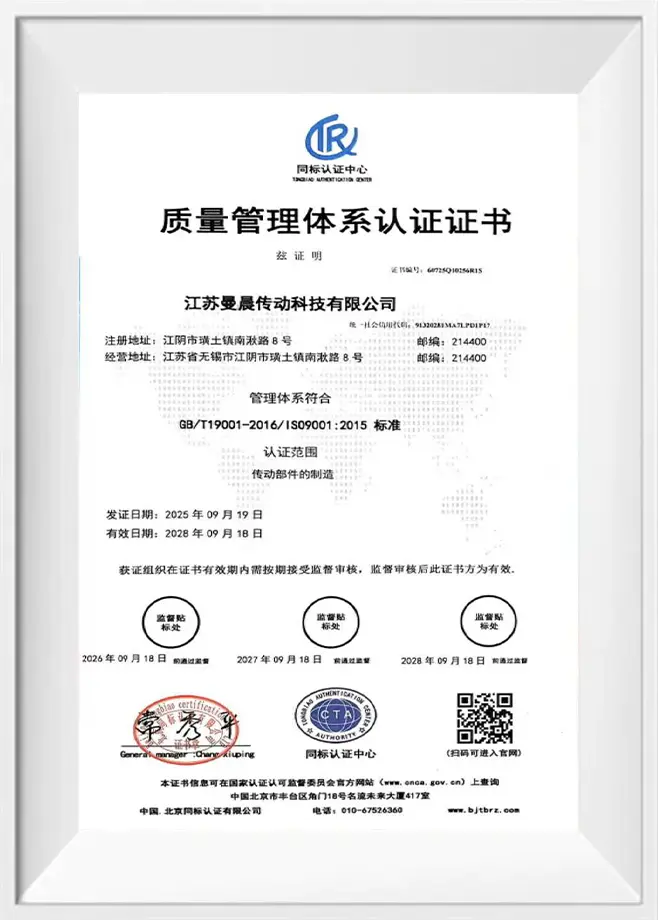
Equipped with state-of-the-art testing systems and a rigorous quality control framework, Manchen guarantees complete traceability from raw material selection to final product delivery, meeting and exceeding domestic and international quality standards.
Design validation using finite element analysis (FEA) to verify stress distribution, safety margins, and gear performance under dynamic conditions.
Complete mechanical traceability from steel billet to finished gear. All components are shipped with EN 10204 3.1 material certificates.
Comprehensive engineering services offering customized geometry, special sealing packages, and marine class certifications (CCS, DNV, ABS).
Established Year
Process Traceability
Grinding Tolerances
Global Export Markets
Our structured production workflow maintains tight tolerances and metallurgical integrity at every phase of manufacturing.
 01
01
 02
02
 03
03
 04
04
 05
05
 06
06
 07
07
 08
08
 09
09
 10
10
The global demand for slewing bearings is driven by infrastructural investments, the rapid adoption of renewable energy, and automated warehousing systems. In this highly competitive market, the Chinese manufacturing sector is characterized by its structural resilience, rapid lead times, and vertical supply chain integration.
Our facility, based in Jiangyin, Jiangsu, operates at the center of China's premier industrial and metallurgical hub. This location ensures immediate access to premium steel mills, specialized heat treatment providers, and modern port logistics. Unlike localized manufacturers who rely on imported forgings, our end-to-end local supply chain enables shorter lead times, lower logistics costs, and full control over raw material composition.
By integrating forging, rough machining, heat treatment, and precision finishing within a 50-kilometer radius, we minimize global supply chain disruptions. This proximity also accelerates the delivery of custom ODM parts to 4-6 weeks, compared to the industry standard of 12-16 weeks. This efficiency is supported by strict compliance with export customs, secure wooden packaging, and rust-preventative coatings suitable for long ocean shipping cycles.
Heavy-duty double row slewing bearings operate in diverse environments, each presenting distinct challenges to structural integrity and lubrication retention:
The transmission industry is moving toward intelligent, sensor-integrated, and weight-optimized systems. Our R&D team focuses on key structural innovations:
Condition Monitoring: Integrating fiber optic strain and temperature sensors directly into the bearing raceway. This allows real-time telemetry of wear, load anomalies, and lubricant degradation, enabling predictive maintenance and preventing catastrophic machinery failure.
Eco-Friendly Design: Developing specialized, low-torque seal profiles that reduce operational friction loss by up to 15%, lowering energy consumption in industrial robotics and rotating platforms. We also support biodegradable lubricants for environmentally sensitive applications.
A look inside our Jiangyin manufacturing facility, displaying our machining, heat treatment, and precision testing equipment.
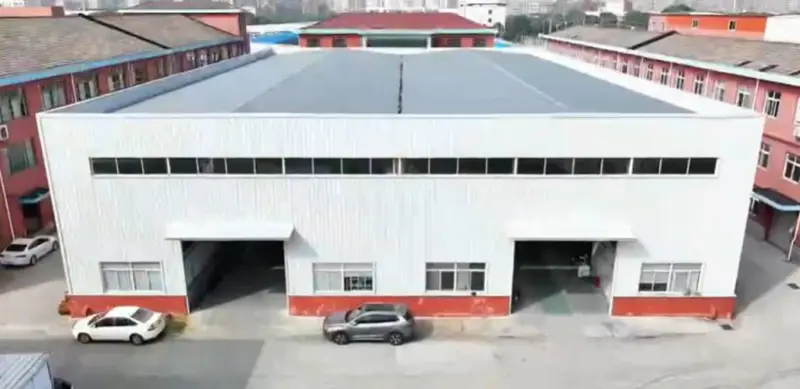
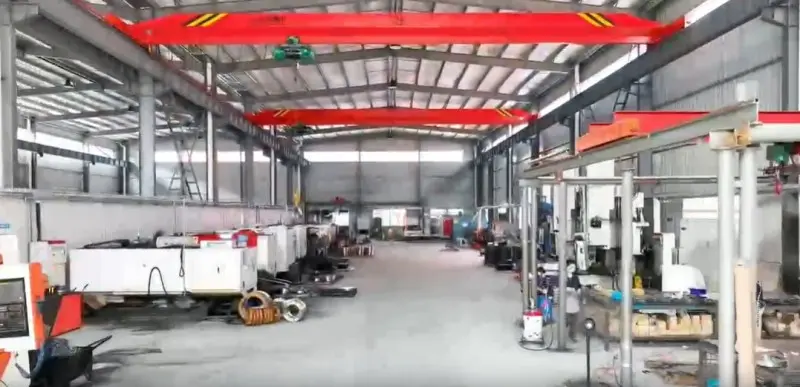
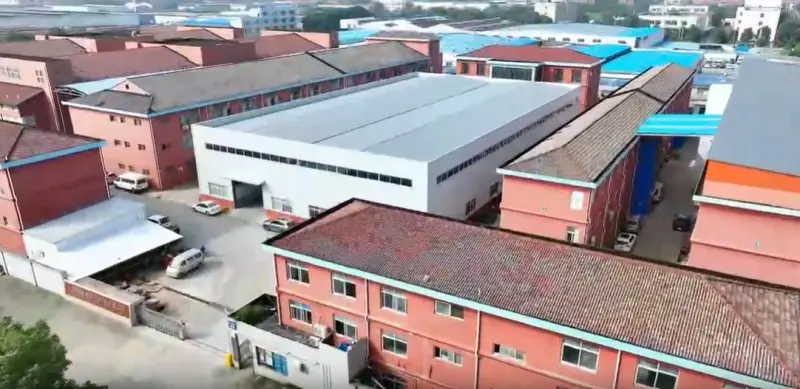
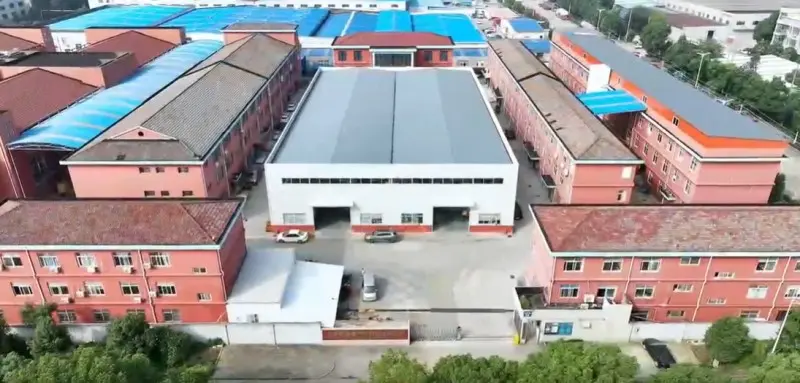
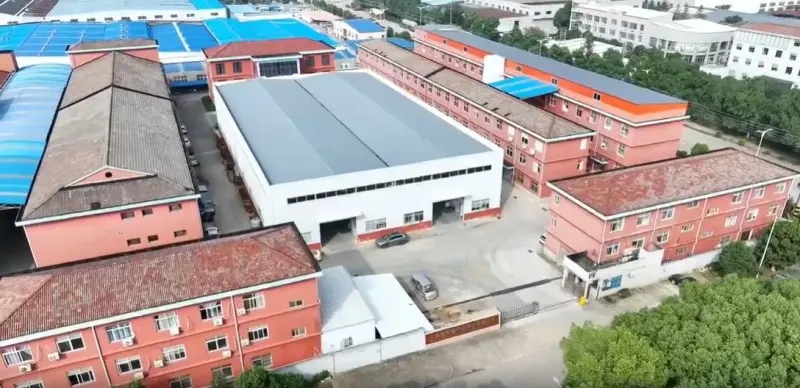
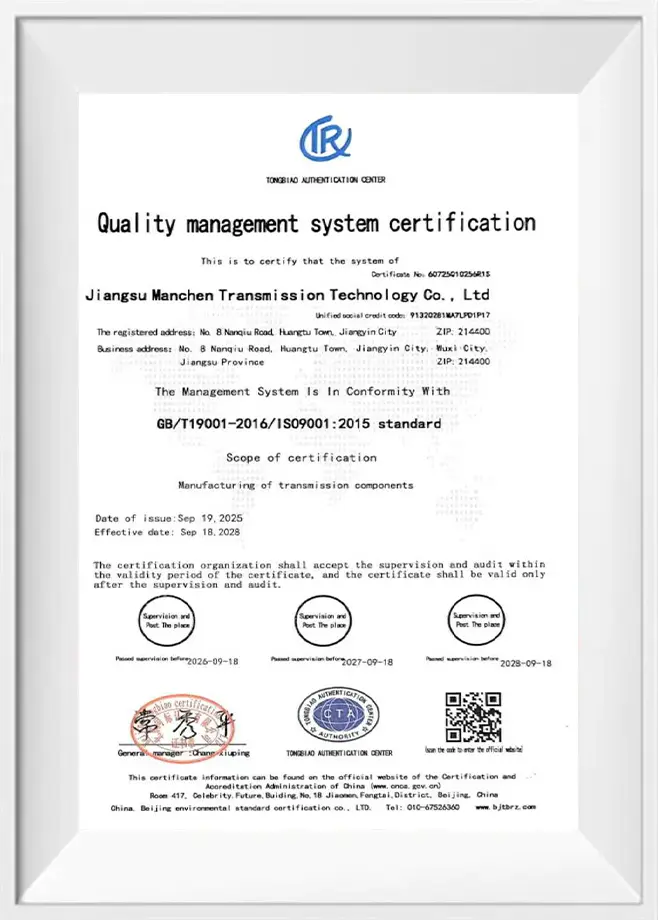
We adhere to the business philosophy of "quality first, mutual cooperation and win-win", providing certified transmission products to partners worldwide.
Find professional answers to common questions regarding design selection, installation, and maintenance of double row slewing bearings.
Partner with Jiangsu Manchen to customize slewing rings and drive mechanisms tailored to your application's load and dimensional requirements.
Explore additional configurations, including internal gear variants, rotary drives, and cross-roller swivel bearings.
 Manchen Transmission