 Manchen Transmission
1 / 1
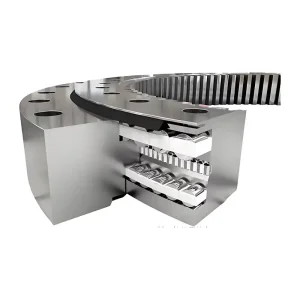
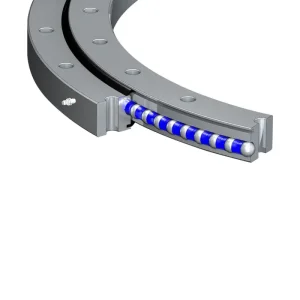
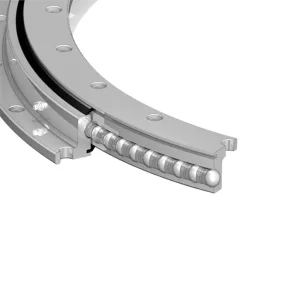
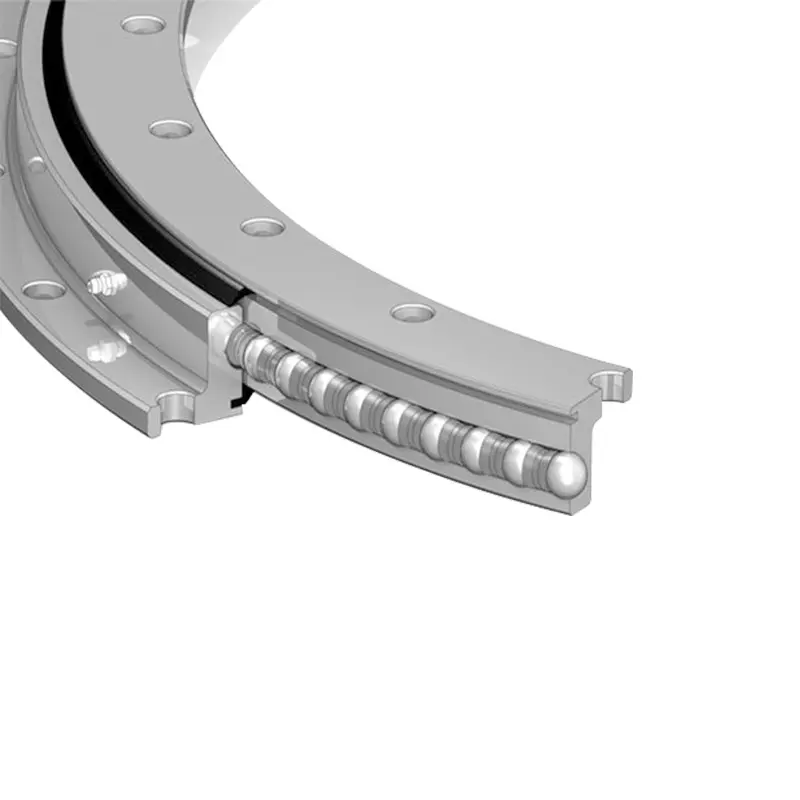
No gear teeth, the continuity is the best, and the theoretical load-bearing potential is the greatest.
Eliminates the processes of gear processing and heat treatment.
Without the gear part, the axial space occupation is the smallest.
Required to withstand the overturning moment caused by eccentric workpieces.
Specifically for rotary kilns where the driving force is provided by other parts, serving as the core load-bearing component.
Ideal for applications with strict height and space limitations.
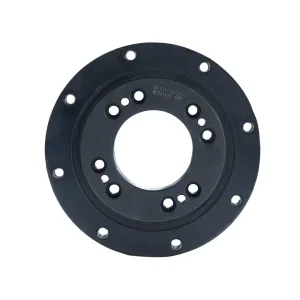
A gearless design offers the best structural continuity, maximizing the theoretical load-bearing capacity while lowering costs and offering the thinnest installation profile.
Since there is no gear profile, it completely eliminates the manufacturing steps required for gear processing and specialized heat treatment, reducing overall costs.
By omitting the gear teeth section entirely, the axial space occupation is minimized, making it suitable for tight vertical clearances.
Yes, it is highly suitable for heavy-duty welding positioners because its structural continuity provides excellent resistance against overturning moments caused by eccentric workpieces.
In applications like rotary kilns, the driving force is provided by other external parts, allowing the gearless ring to focus solely on serving as the core load-bearing component.
Swing mechanisms that operate in confined spatial envelopes particularly benefit from this gearless design due to its minimal axial footprint.